
Table of Contents (7)
Why this announcement actually matters
Nioh 3 is coming to PS5 and PC on February 6, 2026, and after four hours hands-on with a late-game demo and a sit-down with Team Ninja, I get why they’re calling it the series’ “ultimate” entry. The headline changes for players are clear: a shift to open-field exploration (not a full open world), a tighter loop built from everything Team Ninja’s shipped in the last few years, and a slick new combat twist that lets you swap between samurai and ninja on the fly. On paper, it sounds like a safe sequel. In practice, it feels like the studio finally consolidating years of experiments into something sharper.
Key takeaways
- Open-field structure connects missions more fluidly without diluting the series’ combat-first identity.
- Instant samurai-to-ninja swaps add a new, readable layer to fights without losing Nioh’s rhythm.
- No difficulty options (as expected), but broader tools to overcome roadblocks are promised.
- Built on learnings from Stranger of Paradise, Wo Long, Rise of the Ronin, and the recent Ninja Gaiden-this is Team Ninja’s “best of” play.
Not an open world-and that’s probably smart
There was confusion at reveal: some thought Nioh 3 was going open world. It isn’t. Team Ninja’s calling it “open-field,” which, after playing, reads like larger, stitched-together playspaces and smoother mission flow rather than a sprawling map with checklist bloat. In Nioh 2 you hopped between missions from a world map; here, fields and routes lock together more organically. It still feels curated-just less boxed-in.
General producer Fumihiko Yasuda told us, “The overall approach at Koei Tecmo is to hire a lot more staff, especially new recruits… That lets us run multiple project lines.” He added, with a bit of humility, “I can’t really say we’ve perfected managing these teams, but I think we’ve figured out how things work.” That pipeline matters because the open-field idea didn’t come out of nowhere. Co-producer Kohei Shibata leaned on their recent history: “When we worked on Rise of the Ronin, we had something like an open world and it also offered a smooth experience. We were able to leverage that, and you’ll see the level design broadened [in Nioh 3].”
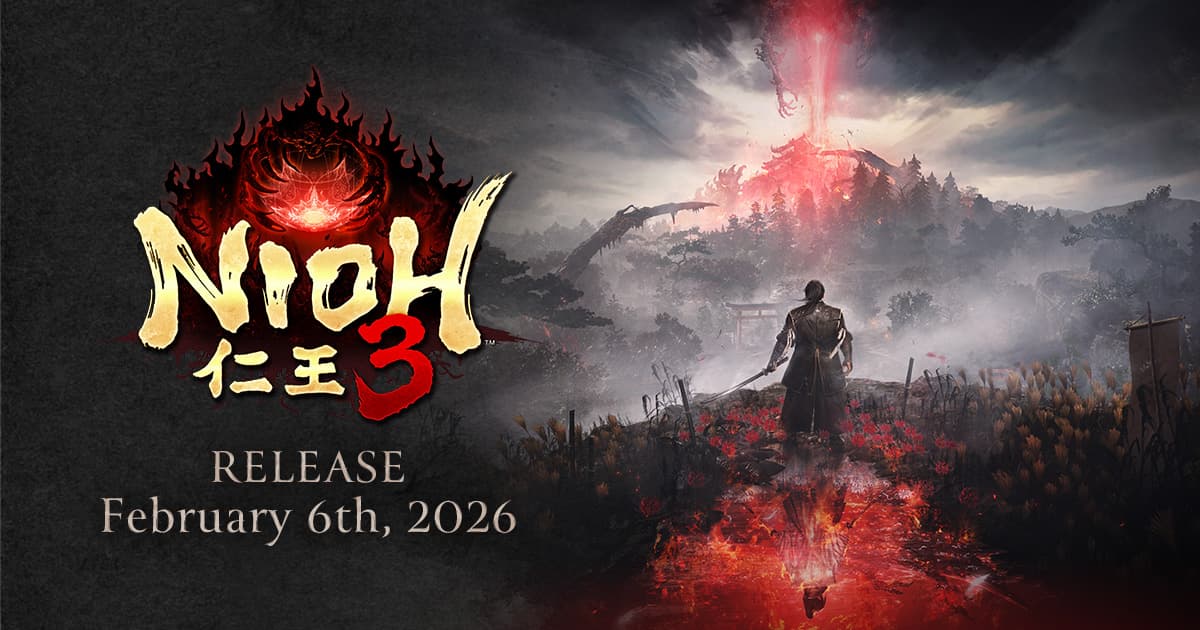
Why avoid a full open world? “With Nioh, the emphasis is truly on combat,” Yasuda explained. “Nioh 3 is set during the Sengoku era, a chaotic time; it’s about pushing through, not leisurely roaming like a typical open world… That’s why we say open field, not open world.” As someone who’s seen too many great combat games drown in side content, this choice makes sense. Give me thoughtful routes, ambush angles, and shortcuts over 200 collectibles any day.
Combat evolves without losing its soul
I’ve always loved how Nioh makes every swing feel earned—juggling Ki, choosing your moment, and snapping a Ki Pulse to recover stamina like a samurai-themed active reload. Nioh 3 keeps that heartbeat and adds a flexible new axis: at any time you can switch between a samurai form and a ninja form (one tap on R2/RT in our build). It sounds small, but in the arena it changes the cadence of every encounter. Ninja mode opens up speed and mobility options; samurai hits harder and leans into timing and stance management. Swapping mid-string to chase a stagger, then pulsing Ki to keep pressure? That’s the kind of texture that keeps Nioh’s fights fresh deep into a playthrough.
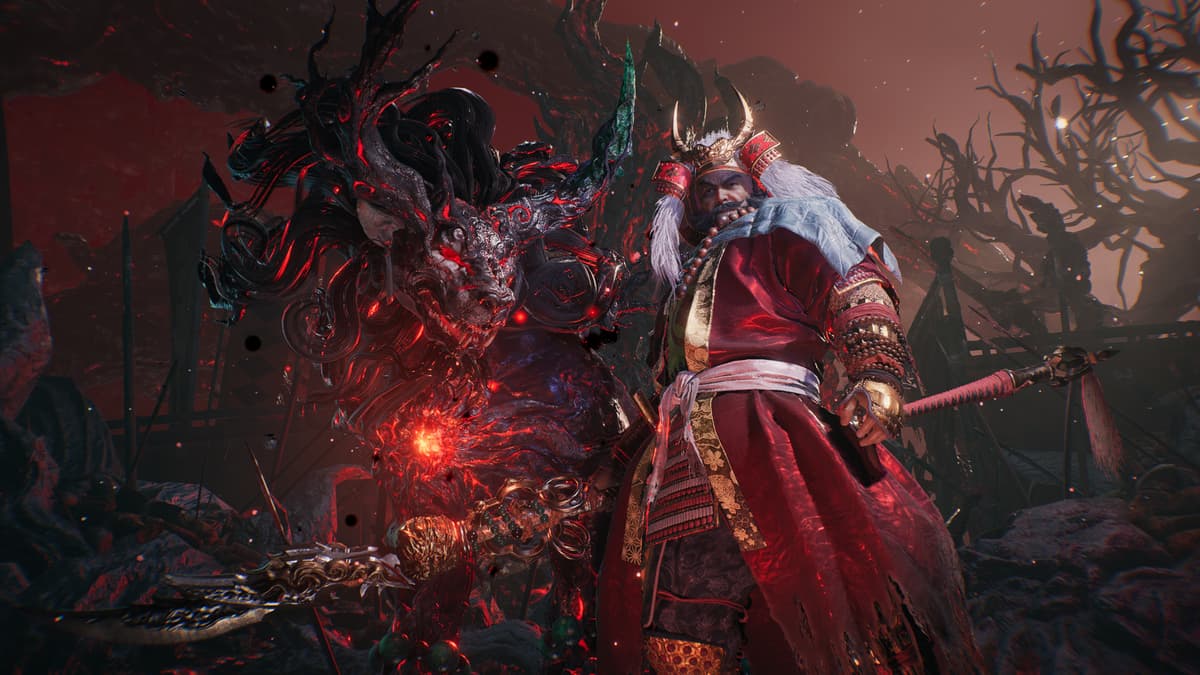
Nioh 2’s Yokai mechanics already layered in flashy spikes of power; Nioh 3’s swap feels more versatile and, importantly, more readable. It adds decisions without making the inputs fussy. It’s the kind of evolution you only get after making a lot of action games back-to-back—something Team Ninja has been doing nonstop since 2022.
Difficulty, pacing, and Team Ninja’s dev machine
Let’s talk difficulty. The media demo dropped us into a late-game character around level 90 with top-tier gear and tuned settings to let us sample systems without yeeting the controller. Even then, a couple of elite enemies checked me harder than the boss—a very Nioh thing. The studio isn’t adding difficulty options, and they’re upfront about why. “We want this experience to have value and be shared by all players,” Yasuda and Shibata told us. “Overcoming obstacles through trial and error is part of the design. Nioh 3 offers various options to overcome bosses without changing the difficulty… It’s up to each player to find their method.” Love it or hate it, that’s the identity.
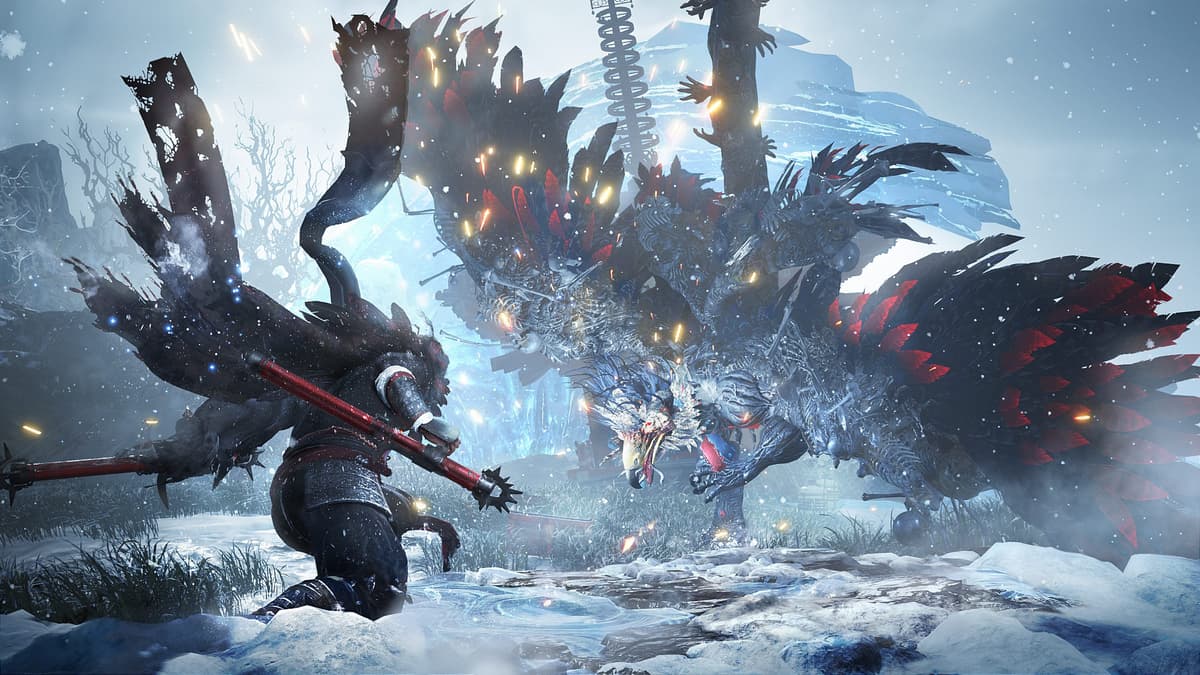
The other talking point is Team Ninja’s pace: Stranger of Paradise (2022), Wo Long (2023), Rise of the Ronin (2024), a fresh Ninja Gaiden earlier this year, and now Nioh 3 in 2026. That schedule could worry anyone who’s seen assembly-line sequels flatten good ideas. Yasuda counters with process: “As each of these games is developed, there’s a constant exchange of information about what works, what doesn’t, and what can be improved… There’s a continuous flow that keeps us from waiting until the end of a project cycle.” If Nioh 3 truly is the “greatest hits” of those lessons, the craft should show up in mission layouts, enemy mixups, and buildcraft—places where Nioh traditionally shines.
What I’m watching before launch
- Field density vs. scope: Bigger spaces are great, but they need smart shortcuts and secrets, not empty jogs.
- Loot sanity: Nioh’s loot can be intoxicating—and overwhelming. A cleaner economy would be a win.
- Co-op clarity: The series’ co-op is fun but fiddly; Team Ninja hasn’t detailed how it fits the new structure yet.
- PC port quality: Day-one PC is welcome, but Team Ninja’s PC track record is mixed. Scalable settings and stable frametimes are non-negotiable.
- Enemy tuning: In past games, certain elites hit harder than bosses. A better difficulty curve would help more players stick with it.
TL;DR
Nioh 3 isn’t chasing an open world, and that’s a good call. The open-field approach preserves aggressive, deliberate combat while opening routes and options. The instant samurai-to-ninja swap is the standout—additive, readable, and fun. If Team Ninja sticks the landing on pacing and PC performance, this really could be the series at its best.
FinalBoss // Gear
Level up your setup
01Top-rated gaming headsetson Amazon→02High-refresh gaming monitorson Amazon→03Gaming chairson Amazon→04Discounted game keyson Kinguin→Affiliate links · As an Amazon Associate, FinalBoss earns from qualifying purchases.
Want to Level Up Your Gaming?
Get access to exclusive strategies, hidden tips, and pro-level insights that we don't share publicly.
Ultimate Gaming Strategy Guide + Weekly Pro Tips