
Table of Contents (10)
Key Takeaways
- Resident Evil 6 polarized fans at launch for its over-the-top action and QTE overload.
- Modern PC patches and Steam Deck Verified status mean smoother 4K visuals, sharper animations, and solid frame rates.
- Under the bloated surface, gunplay feels weighty and responsive thanks to refined cover-shooter mechanics.
- Four campaigns can drag solo, but co-op transforms linear corridors into shared spectacle.
- Capcom’s commercial sprint from RE5 to RE6 cost survival-horror identity—but hints of a focused remake could fix it.
Rewind to 2012: A Polarized Launch
Back in 2012, Resident Evil 6 arrived amid high expectations after the solid-but-safe RE5. Critics gave it mixed Metacritic scores between 74 and 86, praising ambitious set pieces while lambasting the loss of claustrophobic horror. Fans erupted. QTEs that could kill you mid-cutscene and four sprawling campaigns felt slick but shallow. The tagline “kitchen sink horror” stuck: political assassinations, zombies at costume balls, to dinosaur-sized bosses all in one package. For survival-horror purists, it was the low point.
First Shock: Why I Still Frowned
When I picked up RE6 for under €5 during a Feb 2026 Steam sale, I half-expected my teenage grievance to roar back. Those bright waypoint arrows robbed exploration, trivial puzzles barely qualified as puzzles, and relentless QTEs punished any lapse in concentration. Miss one button prompt and you’re respawning at the last checkpoint, which could be minutes away. Playing Leon’s intro felt more like a blockbuster tech demo than a Resident Evil experience. Solo pacing crawled through narrow corridors with guardrails everywhere—and I remembered why I bailed early.
Visuals & Mechanics: A Closer Look
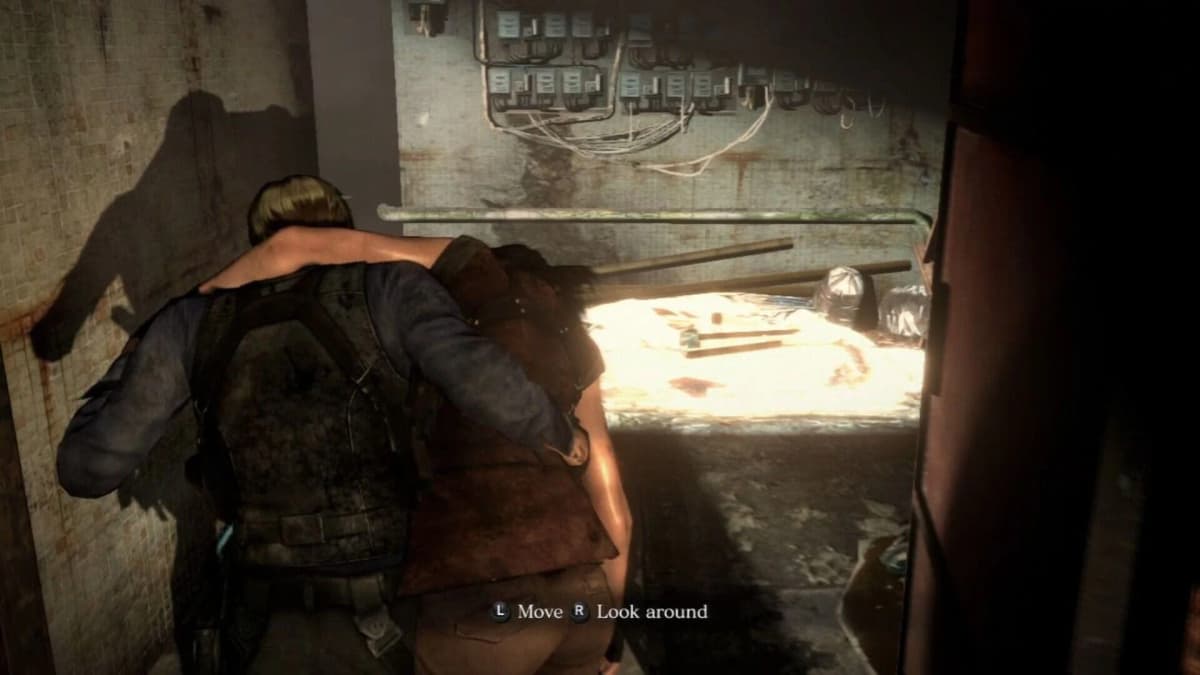
Yet beneath the surface, modern patches have smoothed many edges. A 2022 PC update added 4K support, improved lighting ramps, and ironed out frame-rate dips that once plagued console ports. On Steam Deck—now Verified as of 2024—the game delivers a steady 30–40fps in co-op, a far cry from the jagged 20fps I once suffered. More importantly, the animation work for gun recoil and melee impact has aged better than I expected. Leon and Chris now shoulder rifles with believable weight, and quick hip-fire feels snappy. This isn’t nostalgia; Digital Foundry’s 2025 tech breakdown confirms those cover-shooter mechanics rivaled contemporaries like Gears of War 3.
Campaign Chaos and Co-op Redemption
RE6 ships with four main campaigns—Leon, Chris, Jake/Sherry, and Ada—each clocking 4–6 hours. Solo, that’s close to 20 hours of uneven pacing. Yet drop in a friend and the corridors suddenly pulse with energy. Checkpoints feel like shared milestones, and mid-level chatter about absurd story beats—like political conspiracies mixed with parasitic zombies—becomes part of the fun. Co-op was clearly Capcom’s core pillar; producer Yoshiaki Hirabayashi admitted the action evolution post-RE5 depended on drop-in multiplayer. He’s right: some of the game’s worst sins—hand-holding waypoints and off-tone set pieces—fade when you’re both startled by random monster ambushes.
Mercenaries Mode and Speedrun Scene
Beyond the campaigns, Mercenaries mode remains a highlight. Timed waves of enemies push you to master the improved weapon feel. In fact, the No Mercy speedrun leaderboard for RE6 shows duos clearing the hardest Gauntlet in under two hours as of 2025. It’s proof that the mechanics under those cinematics are robust. If you crave replayability, unlocking new characters and combo meters in Mercenaries is more rewarding than stoic puzzle solving ever was.
Capcom’s Commercial Gamble
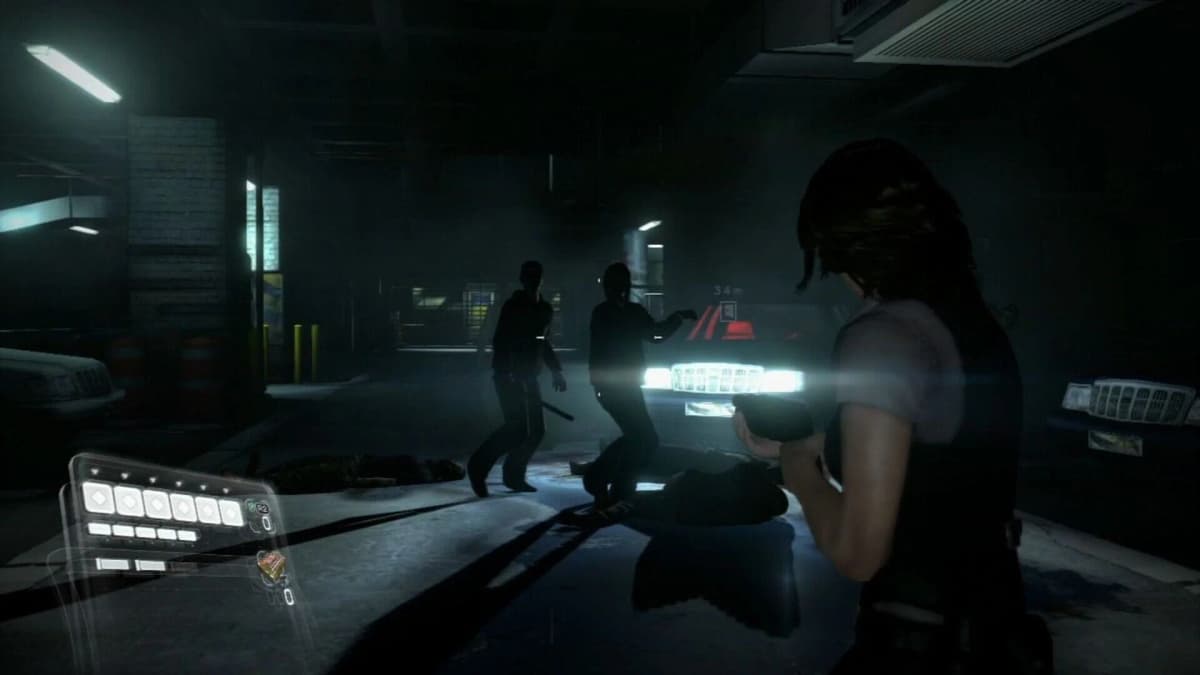
Developer documents reveal RE6’s frantic three-year sprint from RE5 reflected Capcom’s commercial instincts at the time: expand everything, chase market trends, and reach as many players as possible. The result was the most “commercial” mainline title in the series, complete with trivial tutorials and an overreliance on QTEs. With four campaigns, multiple modes, and elaborate cutscenes, they effectively traded survival-horror grit for blockbuster spectacle. The gamble paid off in sales—RE6 shifted over 4.8 million units worldwide—but cost the franchise a clear genre identity until RE7’s deliberate return to horror.
What’s Next for RE6’s Legacy?
- Watches on Requiem trailers. Fan speculation ties some of RE6’s motion-capture work to the upcoming RE: Requiem, but Capcom hasn’t confirmed any direct asset reuse.
- Calls for a focused RE6 remake. Community polls on Reddit and ResetEra in 2024 placed RE6 above Revelations 1 and Umbrella Corps, highlighting a desire for a tighter version without QTE cruft.
- Continued co-op engagement. With Steam Deck Verified and stable PC ports, there’s still an active player base. Capcom could spin off a co-op-only entry or leverage this design lesson in future multiplayer titles.
If animation and combat work so well, why not pare back campaigns, trim QTEs, and publish a lean RE6: Definitive Edition? It’s a question few are asking publicly—but one that makes sense given how much engine polish went into the original.
TL;DR
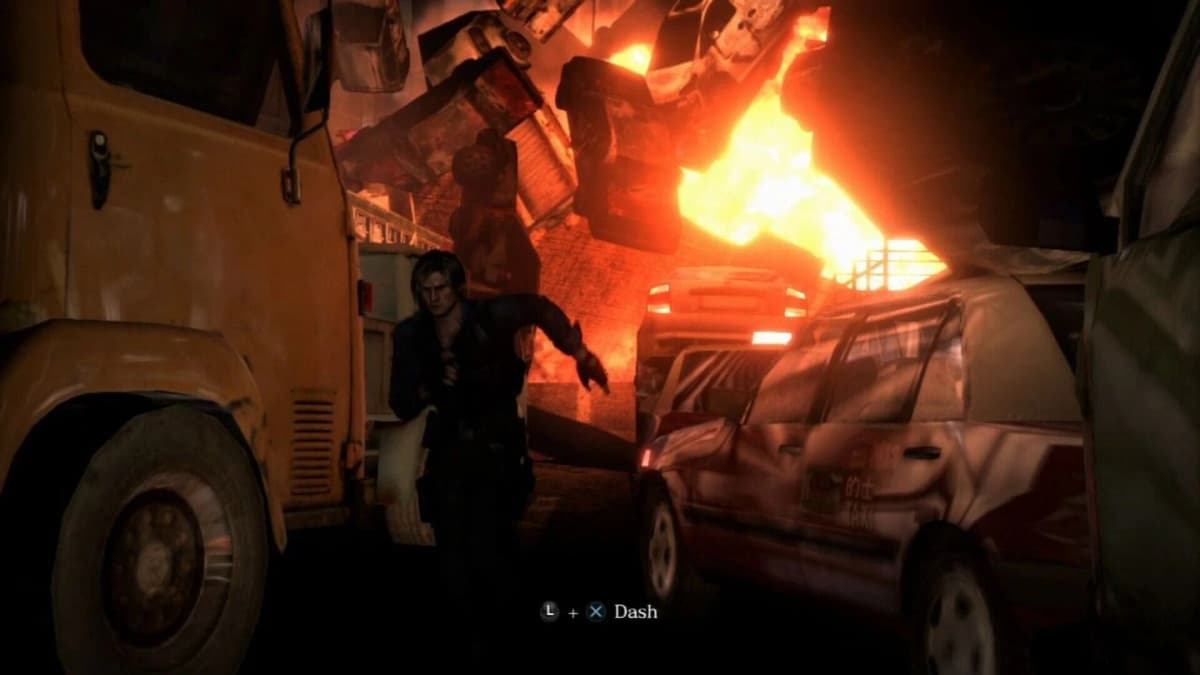
Resident Evil 6 still trips over QTEs and broad level design, but modern patches give it a crisp facelift. Weighty gunplay, sharper animations, and surprisingly fun co-op turn a nostalgic punchline into an experience worth revisiting—if only to see how Capcom learned from its mistakes.
Conclusion
Replaying RE6 after 15 years reminded me why survival-horror fans recoiled at launch, but also showed how much polish went unseen. Improved visuals and fluid cover-shooter mechanics rival modern ports, and Mercenaries mode plus drop-in co-op inject genuine replay value. While it remains a detour from the series’ roots, Resident Evil 6 deserves credit for its technical craft. Now it’s up to Capcom: refine, remake, or let RE6 stand as an awkward but fascinating chapter in the franchise’s evolution.
FinalBoss // Gear
Level up your setup
01Top-rated gaming headsetson Amazon→02High-refresh gaming monitorson Amazon→03Gaming chairson Amazon→04Discounted game keyson Kinguin→Affiliate links · As an Amazon Associate, FinalBoss earns from qualifying purchases.
Want to Level Up Your Gaming?
Get access to exclusive strategies, hidden tips, and pro-level insights that we don't share publicly.
Ultimate Gaming Strategy Guide + Weekly Pro Tips