
Why Every Loss in Street Fighter 6 Feels Like Victory
I’ll admit it upfront: I’m probably one of the worst Street Fighter players on the planet. My combos drop more often than my morning coffee, and I’ve personally tested the durability of more controllers than I care to remember. Yet Capcom’s latest fighter has me hooked—and it all starts the moment I lose. Instead of slamming my head against the nearest wall, I find myself grinning ear to ear, eager to jump back in. In Street Fighter 6, each defeat is cleverly designed to feel like a small triumph, and here’s the lowdown on why.
Table of Contents (13)
1. Turning Defeat into Growth Fuel
In many fighting games, losing feels like punishment: you see a big “L” on your record, your ego takes a beating, and you’re primed to rage-quit. SF6 flips that script immediately. From the moment you load up the game, pop-up tips highlight missed anti-airs, unsafe moves, and practical advice for your next bout. Instead of mockery, you get guidance—like a friendly coach whispering, “Nice try, here’s how to level up.”
Moreover, the game celebrates micro-wins even when you botch a technique. A “Close Call” flash appears when you narrowly dodge a combo, and a “Well Timed” icon pops up when you counter at the exact right moment. Those tiny victories accumulate into a real sense of progress, giving you a reason to stick around rather than rage-quit after a brutal defeat.
2. The Drive System: Easy to Learn, Hard to Master
At the heart of Street Fighter 6 lies the Drive System—a single gauge that powers three essential mechanics. On the surface, it’s simple: you have one resource, and you decide whether to spend it aggressively or save it for defense. But beneath that simplicity lies a strategic goldmine.
- Drive Impact: A heavy strike that breaks guards and grants armor for a single hit. Land it, and you get a free counterattack. Mistime it, however, and you’re at –4 frames, primed for punishment. Even in failure, you learn to gauge spacing and risk.
- Drive Rush: Cancel a normal into a swift forward dash, surprising your opponent and creating new openings. For beginners, it’s an easy way to close distance; for veterans, it’s a gateway into high-level mind games.
- Parry Drive: Redirect an incoming attack back at your foe, turning defense into an instant opportunity to strike. Nail the timing, and you earn big rewards.
By juggling these tools, you naturally pick up on pacing, resource management, and situational decision-making—core fighting game skills that deepen your play, even if you never master every combo.
3. Bite-Sized Tutorials That Stick
Gone are the days of generic “press X to punch” prompts. SF6’s tutorial suite is structured like lessons from a seasoned mentor, broken into bite-sized modules:
- Anti-Air Timing: Punish aerial assaults with precise normals or DP moves.
- Whiff Punishes: Spot openings and land max-damage counterattacks.
- Footsies Fundamentals: Master spacing, poke ranges, and neutral control.
- High-Low Mix-Ups: Learn mind games that keep opponents guessing.
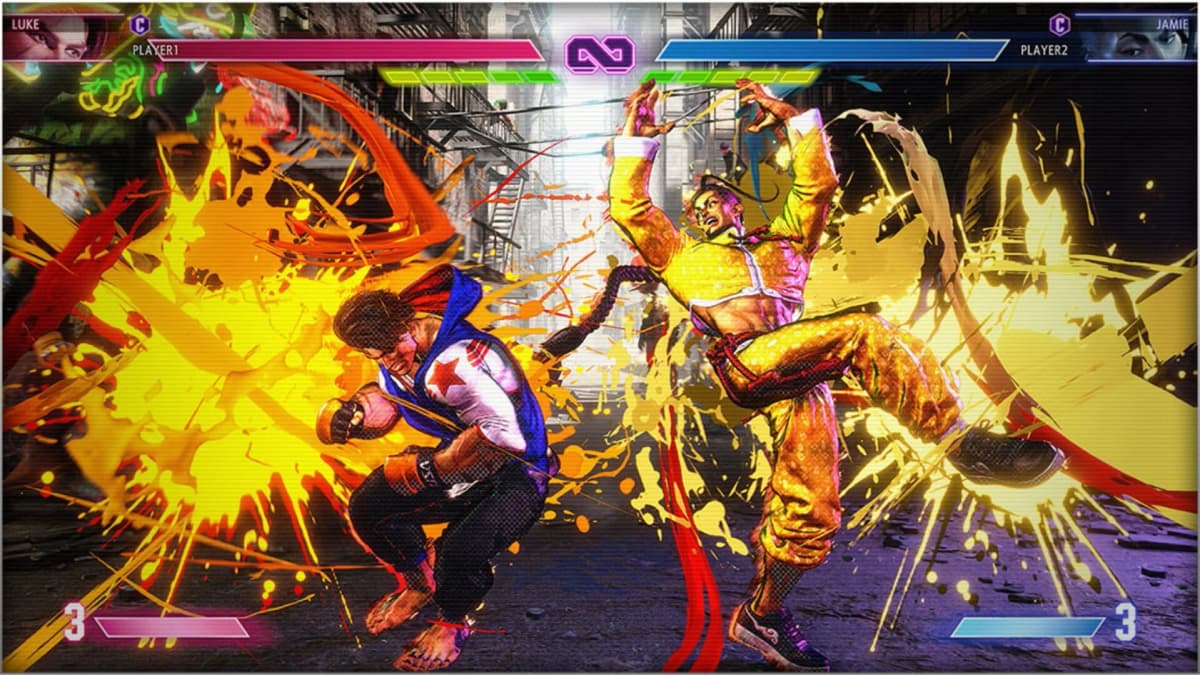
Each segment explains why a technique matters, how to execute it, and when to use it in a match. Character-specific guides walk you through core combos, spacing, and matchup tips for stars like Chun-Li and Luke. Instead of pointing you to third-party videos, SF6 teaches you as you play, cementing lessons through hands-on practice—and that means fewer rage-quits and more “aha!” moments.
4. Story Mode as a Training Ground
Not content with a simple arcade ladder, SF6’s Story Mode introduces you to Capcom’s world through a narrative-driven campaign. While cinematic cutscenes and character banter keep you entertained, each encounter doubles as a skill-building exercise. You face opponents one at a time, each with clear patterns and defined strategies. By the time you confront a tougher boss, you’ve already practiced anti-airs, honed basic combos, and learned to exploit openings in a low-pressure setting.
5. Robust Replay Tools for Self-Analysis
After a tough match in older fighters, my instinct was always “thanks, I’ll never play this again.” SF6’s replay system, however, turns every match into a personal lab. You can scrub frame by frame, tag pivotal moments, and even import pro clips for side-by-side comparison. Did you whiff a punish because you held block too long? The visuals reveal your hesitation in detail. Then you hop into an instant rematch, test your adjustment, and relish the payoff when it lands. Each loss becomes a diagnostic opportunity instead of a dead end.
6. Deep Customization for Targeted Training
If you want to drill one specific skill—say, countering cross-ups or mastering drive cancels—SF6’s Training Mode has you covered. Set dummy behavior to block, jump, or attack in precise sequences, and practice responses in real time. Adjustable frame-skip and hitbox displays let you see exactly how far your attacks reach. It’s pro-level detail made accessible to button-mashers and veterans alike, so you can turn fundamentals into second nature.
7. Welcoming to Newcomers, Rewarding for Veterans
Some fighting-game purists sneer at modern titles for being “too easy,” but widening the door doesn’t lower the ceiling. SF6 strikes a balance: its systems are approachable yet richly layered. Within hours, even self-confessed novices can land satisfying hits. That early competence keeps you engaged long enough to pursue deeper mechanics—like Crush Counters and intricate drive-cancel follow-ups—that open a vast strategic playground for seasoned players.
8. Smarter Online Matchmaking
Not all matchmaking is created equal. SF6’s Casual Matches, Ranked Matches, and Battle Hub modes connect you with opponents at a similar skill level. You won’t be steamrolled by world-class pros on your first day. Instead, you face challengers who push you just enough to improve without feeling hopeless. And if you crave a no-pressure environment, Casual Matches have no stakes—perfect for experimenting with a new character or tactic. As you climb the ranks, the competition naturally evolves, revealing fresh meta trends and new strategies to study.
9. Community-Driven Progress
I’ve already roped in friends who once dismissed fighters as an intimidating niche. Now our group chat buzzes with epic comeback screenshots, clip annotations, and spirited frame-data debates. SF6’s replay-sharing and clip-export features make it easy to celebrate jaw-dropping moments—or laugh at hilarious fails. We dissect matches like a sports broadcast team, celebrating each micro-victory and commiserating over collective missteps. That camaraderie turns solo practice into a collaborative journey, where everyone levels up together.
10. The Thrill of Micro-Victories
Street Fighter 6 excels at breaking progress into bite-sized wins. Land your first Drive Impact? Instant rush. Pull off a perfect parry under pressure? Adrenaline spikes. Whiff-punish an opponent? Feels like you just scaled Everest. These micro-victories create a positive feedback loop that makes you crave more, turning every loss into fuel for your next session.
From “Trash” to Tenacious
Every time I hear “You’re trash at this game,” I smile—because SF6 has rewritten my relationship with that taunt. Instead of taking it personally, I use it as fuel: “How can I turn ‘trash’ into ‘not bad’?” With each defeat, I uncover a new spacing trick, a slick combo route, or a smarter defensive tactic. And when I finally land that perfect parry or crush a guard with a razor-timed Drive Impact, the payoff makes every moment of trial and error worth it.
Why It Matters: Frustration Meets Fun
At its core, gaming is about having fun—and SF6 understands that better than most. By reframing failure as feedback, it keeps players engaged instead of discouraged. You don’t need superhuman execution to feel like you’re progressing; the game’s design nudges you forward, lesson by lesson, until your wins start stacking up.
For casual button-mashers, that translates to fewer rage-quits and more “just one more match.” For competitive souls, it offers a deep skill ceiling to chase. And for folks like me—self-proclaimed fighters’ klutzes—it turns every session into an opportunity to learn, laugh, and yes, lose with a grin.
Embracing the Sting of Defeat
I still eat humble pie match after match, but Street Fighter 6 celebrates every stomp as much as every triumph. It transforms loss into a mini-victory: a chance to refine, retry, and rise stronger. So, if you’ve ever called yourself “trash” at fighting games, this is your golden ticket. Grab a controller, dive into the tutorials, and embrace the sting of defeat—because in Street Fighter 6, every loss feels like a win.
FinalBoss // Gear
Level up your setup
01Top-rated gaming headsetson Amazon→02High-refresh gaming monitorson Amazon→03Gaming chairson Amazon→04Discounted game keyson Kinguin→Affiliate links · As an Amazon Associate, FinalBoss earns from qualifying purchases.
Want to Level Up Your Gaming?
Get access to exclusive strategies, hidden tips, and pro-level insights that we don't share publicly.
Ultimate Gaming Strategy Guide + Weekly Pro Tips