
Table of Contents (12)
Why these are the right follow-ups
The first time I tried to recommend a follow-up to Dread Delusion, I caught myself typing Skyrim and immediately deleted it. That would have been the easy answer, and the wrong one. People who fall for Dread Delusion usually are not chasing sheer map size or slick production. They want that specific mix of low-poly unease, first-person wandering, strange factions, half-explained lore, and the feeling that the world was built from a dream someone should probably have written down and burned.
So this list is ranked by design DNA, not fame. I prioritized games that share at least one of the core hooks: eerie first-person exploration, old-school RPG roughness, oppressive fantasy atmosphere, or the pleasure of learning a world by getting a little lost in it. I also kept platform availability practical whenever possible, because “similar in spirit” means less if the game is a nightmare to access. If you want the closest overall match, start near the top. If what you loved most was stealth, dungeon crawling, or hostile-world immersion, the lower entries will make more sense.
1. Lunacid
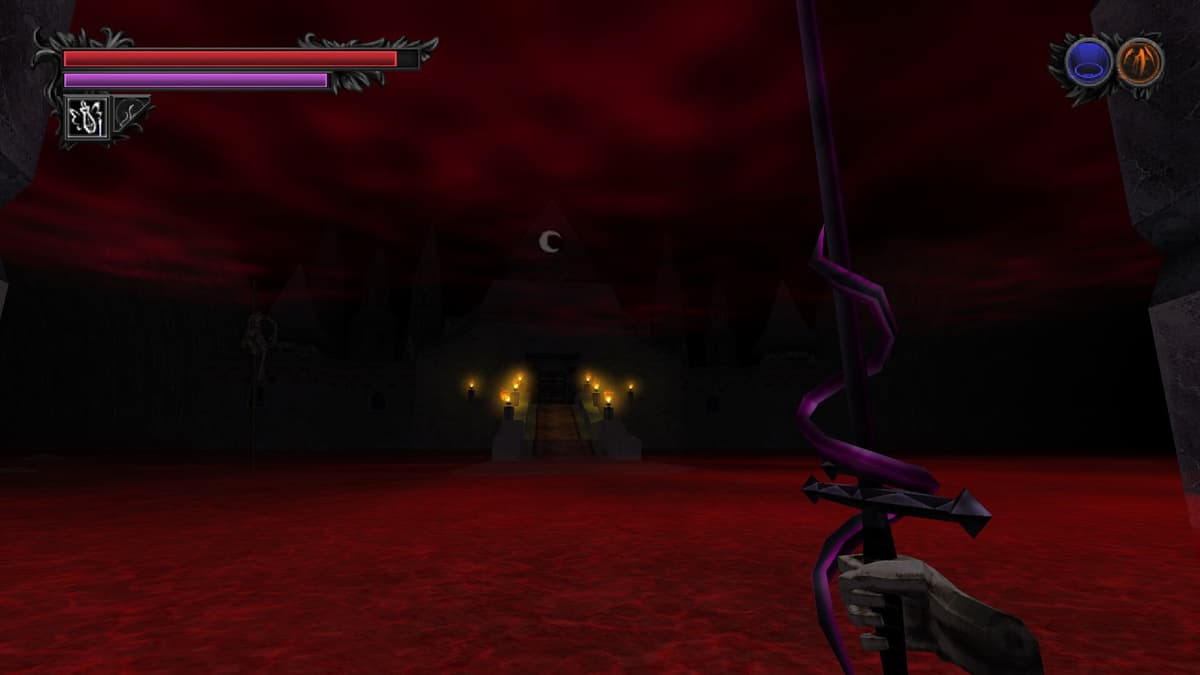
Platforms: PC. If this list only existed to answer “what feels most like Dread Delusion without literally being Dread Delusion,” Lunacid would still be number one. It keeps coming up in recommendation threads for a reason: the overlap is immediate. This is first-person fantasy filtered through deliberate retro ugliness, not as a gimmick but as the whole emotional language of the game. The spaces feel ancient, sickly, and slightly unreal. Navigation matters. Atmosphere does most of the heavy lifting. You are not being rushed from objective marker to objective marker like a tourist on rails.
What makes Lunacid such a strong fit is the way it trusts mood and discovery over spectacle. It has that King’s Field-style crawl where every hallway feels like a small commitment and every new zone feels like you pushed into territory that might not want you there. It is more dungeon-focused than Dread Delusion, so don’t come in expecting the same open archipelago structure or faction-flavored wandering. But if the thing you loved most was the sense of stepping through a decayed fantasy world that explains itself grudgingly, this is the recommendation that lands hardest. For players chasing the same eerie, low-fi spell rather than the same quest structure, Lunacid is the cleanest next step.
2. The Elder Scrolls III: Morrowind
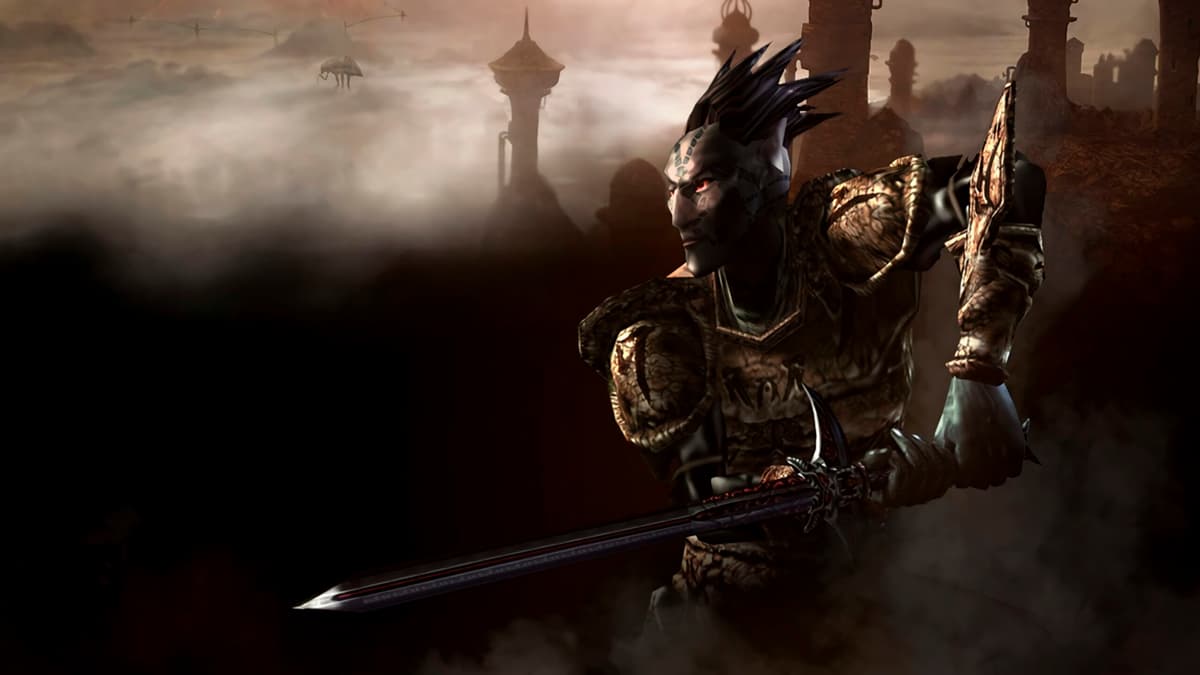
Platforms: PC, original Xbox; the easy modern route is PC. Morrowind is the classic benchmark because it solves the same problem from the opposite historical direction. Dread Delusion feels to many players like a weirder, meaner descendant of the era Morrowind helped define: a world that does not flatten itself for you, a quest structure that assumes you can read and pay attention, and lore that feels alien without becoming empty nonsense. If what grabbed you was not just the visuals but the sensation of being dropped into a place with its own rules, this is the big one.
The key similarity is freedom with friction. Morrowind lets you wander, join factions, break your path into odd detours, and discover stories sideways. It also refuses to sand off all the rough edges. Movement is strange at first, early combat can be awkward, and the game’s age shows in plenty of places. That is exactly why it belongs here instead of being treated like a museum piece. Dread Delusion players tend to tolerate, even enjoy, some abrasion if it buys them atmosphere and mystery. Morrowind pays off that tolerance better than almost anything. If Lunacid is the closest mood match, Morrowind is the essential historical match: the big, weird RPG ancestor whose shadow still hangs over this whole lane of fantasy design.
3. Arx Fatalis

Platforms: PC; an older Xbox version existed, but PC is the practical choice now. Arx Fatalis earns its place because it hits a lovely midpoint between immersive sim and first-person fantasy RPG. It is smaller and more subterranean than Dread Delusion, but it shares that dense, intimate commitment to place. Instead of sprawling you outward, it drags you deeper. The world feels hand-placed, tactile, and faintly rotten. You are not simply clearing levels; you are inhabiting a hostile ecosystem where light, food, spells, and spatial memory all matter more than raw power fantasy.
The famous rune-based magic system helps, but the real appeal is how every little action feels embedded in the world. You cook, steal, improvise, and poke at environmental systems in ways that make the setting feel less like a backdrop and more like a machine you barely understand. That is a huge part of the Dread Delusion appeal too, even though the two games wear different skins. The caveat is that Arx Fatalis is more claustrophobic and system-heavy. It does not give you the same airy feeling of looking across weird horizons. What it gives you instead is concentrated strangeness. If your favorite part of Dread Delusion was not the scale but the sensation of being inside a coherent, decaying fantasy reality, Arx Fatalis is one of the smartest recommendations on the board.
4. Gothic

Platforms: PC, Nintendo Switch. Gothic is here for players who liked how little Dread Delusion cares about flattering them. This is old-school RPG design with a hostile posture. The world is compact but loaded with consequence, the social structure matters, and your early weakness is not a temporary tutorial state but a defining fact. Plenty of modern RPGs tell you that the world is dangerous. Gothic makes you feel it in your bones. People are rough, progression is earned, and simply learning where you can safely exist is part of the game.
The reason it belongs above some more technically similar games is that Gothic gets the attitude right. Dread Delusion works because it feels like a world with its own priorities, not one assembled to entertain you politely. Gothic has that same stubborn integrity. Factions carry real texture, spaces feel lived in, and advancement comes from understanding local power instead of mindlessly vacuuming icons. The big difference is tone: Gothic is harsher and more grounded, less dreamlike and less painterly weird. But for players whose favorite moments in Dread Delusion came from scraping together competence in a world that seemed slightly indifferent to their survival, Gothic absolutely scratches the same itch. It is the recommendation for anyone who wants more friction, more social texture, and less hand-holding.
5. Gloomwood

Platforms: PC. Gloomwood is the point where this list leans harder into mood than RPG breadth, and that is exactly why it works. If the part of Dread Delusion that got under your skin was the oppressive atmosphere, the sense of moving through a diseased old world full of secrets and bad possibilities, Gloomwood might click even faster than some higher-ranked entries. It swaps out freeform role-playing for stealth-horror pressure, but it keeps that same pleasure of reading spaces carefully and feeling like every alley, rooftop, and interior was made by somebody who loves dread as an architectural material.
The stealth is the key differentiator. Light and sound matter, routes matter, and survival often comes from restraint rather than dominance. That changes the rhythm, but not the core appeal. A lot of Dread Delusion players are really chasing tension, not just stats or quest logs, and Gloomwood serves that beautifully. The caveat is obvious: it is still in Early Access, and it is less of a traditional RPG than most games above it. You are not joining factions and shaping a bizarre civilization through dialogue choices. What you are doing is infiltrating a decayed world that feels thick with implied history. If your favorite thing in Dread Delusion was the vibe of forbidden exploration, Gloomwood is one of the best modern answers available.
6. King’s Field IV: The Ancient City
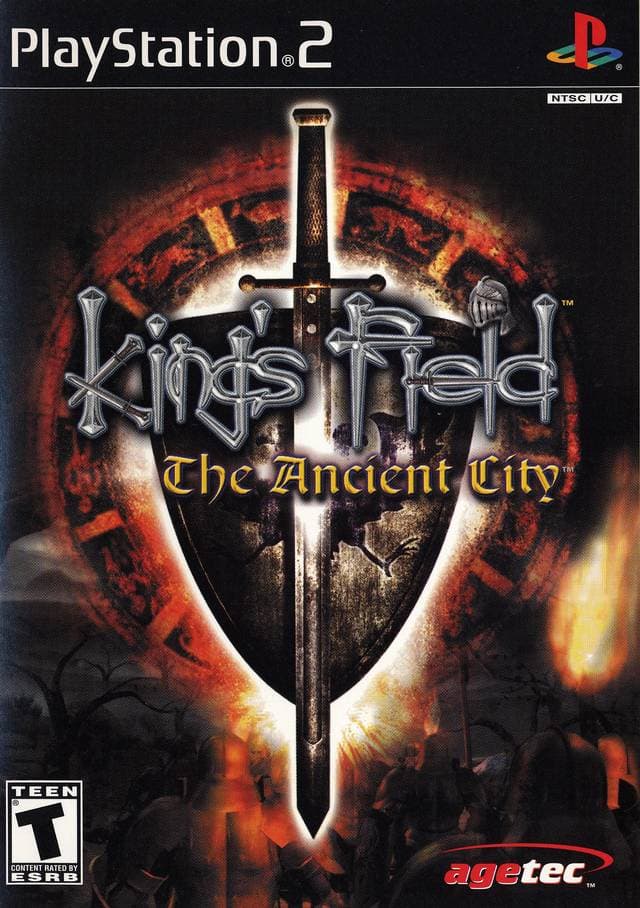
Platforms: PlayStation 2. This is the least convenient recommendation here and one of the most important. Dread Delusion and Lunacid both make more sense once you feel the old King’s Field pulse under them, and The Ancient City is one of the clearest places to find it. Slow movement, lonely exploration, combat that feels heavy in a slightly awkward but deliberate way, and environments that seem designed to make you uncertain about every next step: this is foundational stuff for the whole strange-first-person-fantasy lane.
What still holds up is not slickness but mood discipline. King’s Field IV understands that dread can come from silence, from distance, from taking one more step into a room that has not technically threatened you yet. That DNA is all over Dread Delusion, even though the newer game is more colorful and socially textured. You should know the downside before chasing it: access is awkward, the pacing is ancient in the literal sense, and anyone expecting modern ergonomics will bounce off hard. But if you want the family tree instead of just another branch, this is the recommendation. It is less a casual next game than a source code expedition. For players who want to understand why Dread Delusion feels the way it does, King’s Field IV is essential homework.
7. Blood West
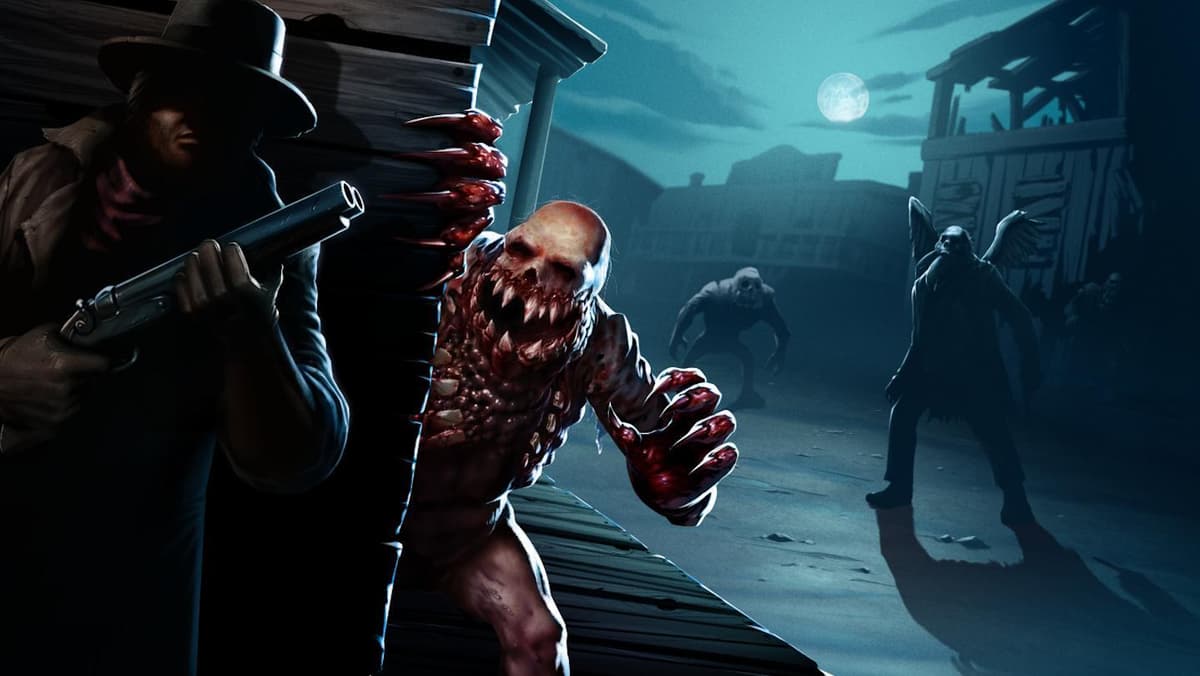
Platforms: PC. At first glance, an occult frontier shooter sounds like it should sit miles away from Dread Delusion. In practice, Blood West earns its place because it shares the same love of hostile spaces, scavenger logic, and low-fi atmosphere that does a lot with very little. The setting is different, but the feeling is familiar: you creep through cursed territory, learn enemy behavior by surviving it, and slowly assemble confidence out of scraps. It is one of those games where the world itself feels feverish, which matters more here than whether the fantasy is medieval or western.
The biggest overlap is in how it rewards cautious curiosity. You are not simply sprinting toward the next fight. You are peeking, circling, listening, and deciding whether a location is worth the risk right now. That makes exploration feel earned. Blood West is more combat-forward and more obviously FPS-shaped than Dread Delusion, so it will not replace the latter’s weirder questing and social texture. But if what you loved was being stranded in a nasty, mythic-feeling place where every expedition could go wrong, this is a strong detour. It has that same “the world is bigger than your understanding and slightly allergic to your presence” quality. For players who want the eerie danger without giving up modern responsiveness, Blood West is a sharper fit than its setting suggests.
8. Hedon: Bloodrite
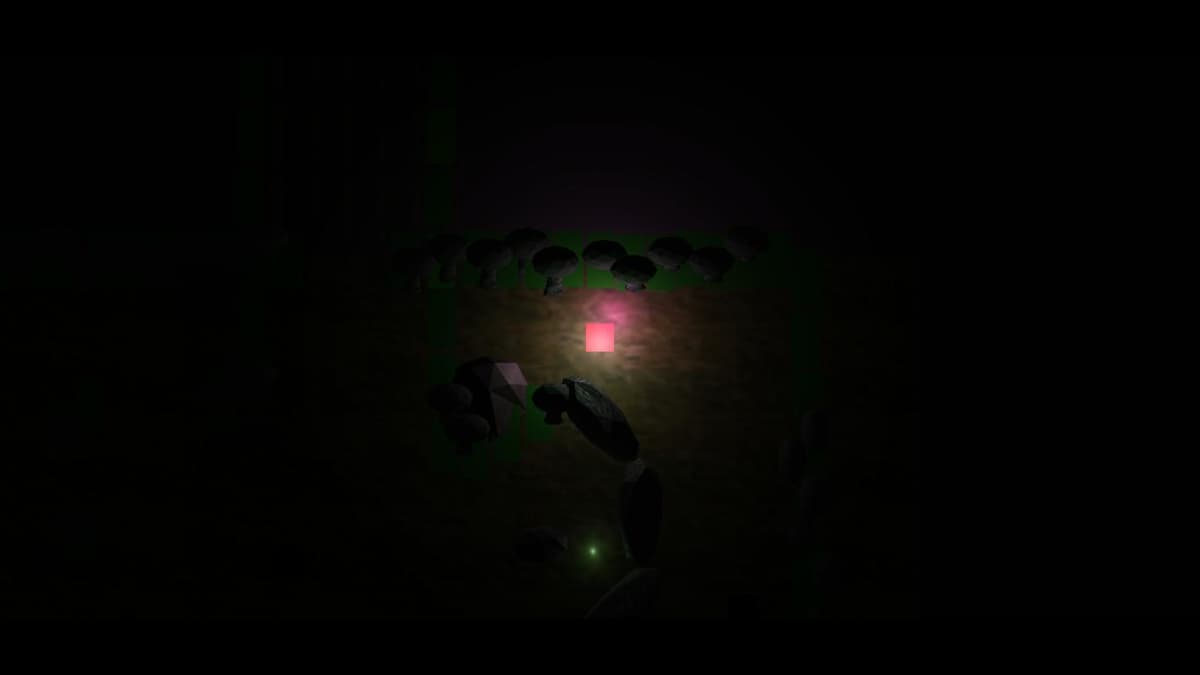
Platforms: PC. Hedon: Bloodrite is probably the most under-discussed recommendation on this list relative to how neatly it lines up with the right kind of Dread Delusion fan. It is a retro-styled FPS-RPG hybrid with a wildly committed fantasy identity, dense levels, and a constant sense that the world has its own ugly theology going on in the background. If the phrase “explore, survive, decode the setting” is what you wanted from this whole article, Hedon deserves a serious look.
Why rank it here instead of higher? Because it is a stronger match for players who prioritized world texture over structure. It does not mirror Dread Delusion one-to-one in quest flow or freeform role-play. What it does share is that wonderful feeling of moving through elaborate, strange environments that reward attention. Levels are not just corridors between fights; they are spaces to read, search, and interpret. The art direction also matters. Like Dread Delusion, it understands that stylization can make fantasy feel more uncanny, not less. The warning label is simple: this leans harder into shooter energy and map sprawl than some readers will want. But if you liked the idea that a fantasy world can be beautiful, hostile, and deeply odd without trying to look expensive, Hedon: Bloodrite feels very much like a cousin.
9. Thief Gold

Platforms: PC. This is the stealth pick, and also the one some people will argue with. Fair enough. Thief Gold is not a fantasy RPG in the same way Dread Delusion is. But it absolutely belongs in a serious recommendation list because it nails one of the most important shared pleasures: entering hostile spaces, studying them patiently, and feeling the world reveal itself through architecture, sound, and scraps of story rather than big exposition dumps. If your favorite part of Dread Delusion was the hush before danger, not the stat sheet, Thief Gold can hit surprisingly hard.
The brilliance of Thief is that knowledge is your real weapon. Light, noise, patrol routes, and environmental layout all matter more than brute force. That makes every mission feel like a puzzle-box place, not just a combat arena. Dread Delusion does something similar when it lets atmosphere and observation carry the experience. The difference is emphasis: Thief Gold is laser-focused on stealth and mission design, with far less character-building freedom. So this is not the “closest” recommendation in a literal genre sense. It is the smart recommendation for players who realized that what they really loved was careful first-person trespassing through spaces full of menace and implied history. On that front, Thief Gold is still viciously good.
10. Dark Souls II: Scholar of the First Sin
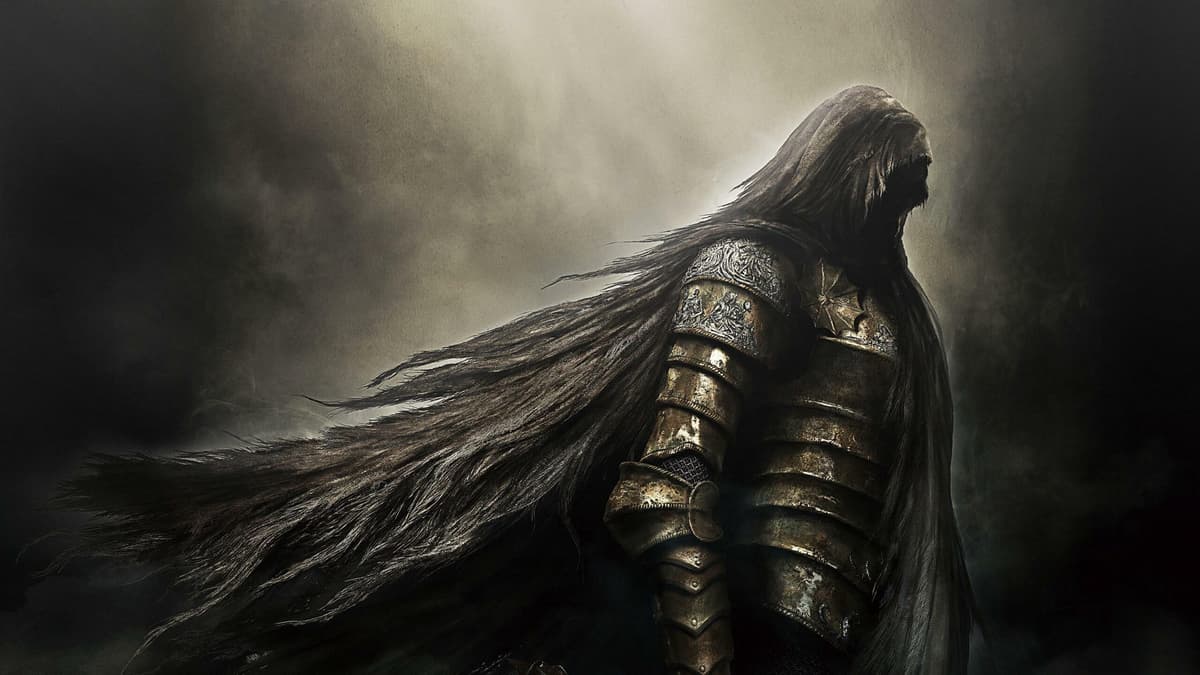
Platforms: PC, PlayStation, Xbox. This is the loosest pick in the top ten, but I would still keep it here because a certain slice of Dread Delusion players are not actually looking for another low-poly first-person RPG. They are looking for another game that drops them into a doomed-feeling world, trusts them to survive by learning its logic, and makes progress feel like stubborn accumulation rather than scripted heroism. Dark Souls II, especially in its Scholar of the First Sin form, is excellent at that particular emotional rhythm.
Why this one and not another Souls game? Because Dark Souls II has a strange, drifting quality that suits this list better than its siblings. Its world feels disjointed in a dreamlike way, its journey has a lonely travelogue texture, and its rougher edges can oddly work in its favor if you already have patience for unconventional fantasy. Obviously the differences matter: it is third-person, much more combat-centered, and less interested in open-ended NPC-and-faction role-play. So if you want the closest mechanical sibling, stop far earlier on this list. But if what stuck with you in Dread Delusion was the sense of being a small figure picking through the remains of a broken myth, Dark Souls II is a legitimate next move rather than a lazy genre toss-in.
How to pick the right one
If you want the safest recommendation, pick Lunacid. If you want the big classic that explains a lot of what Dread Delusion is riffing on, go with Morrowind. If you want denser first-person immersion and more systems touching the world, Arx Fatalis is the sharpest call. If it was all about oppressive stealth and forbidden-city energy, choose Gloomwood. And if you want to trace the bloodline all the way back to one of the key ancestors, make the effort for King’s Field IV.
The practical version is simple: start with the top three unless you already know your preference. Dread Delusion is unusual enough that no single follow-up replicates every part of it. The trick is to follow the piece of it that mattered most to you. Chase mood with Lunacid, worldbuilding with Morrowind, systems with Arx Fatalis, stealth with Gloomwood, or raw lineage with King’s Field IV. That is the cleanest way to avoid the usual bad recommendations and land on something that actually feels adjacent instead of merely fantasy-shaped.
FinalBoss // Gear
Level up your setup
01Graphics cardson Amazon→02Gaming laptopson Amazon→03High-refresh gaming monitorson Amazon→04Discounted game keyson Kinguin→
Affiliate links · As an Amazon Associate, FinalBoss earns from qualifying purchases.
Want to Level Up Your Gaming?
Get access to exclusive strategies, hidden tips, and pro-level insights that we don't share publicly.
Ultimate Top Strategy Guide + Weekly Pro Tips