
Late at night, with the Switch charging beside me and a backlog full of games that felt great for two hours and empty after six, I got stuck on a very specific kind of frustration: I wanted combat, momentum, bosses, all of that good stuff, but I also wanted a plot with actual stakes. Not vague lore. Not one cool intro cutscene and then fifty hours of hitting things. A real storyline.
That matters on Switch because the platform is crowded with action games, but not all of them are built the same. Some are pure arcade sugar rushes. Some are open-world sandboxes where the “story” is mostly optional scenery. For this list, I leaned toward games where narrative and forward motion genuinely support each other: action RPGs, cinematic combat games, and a few hybrids that bend the genre line because their stories are too good to ignore. I left off obvious greats like The Legend of Zelda: Breath of the Wild and Metroid Dread because this isn’t a list about the best games with action in them. It’s about the best Nintendo Switch action games when you specifically want a story worth caring about.
One caveat before the ranking starts: “story-driven action” is a fuzzy category. Critics and players don’t always agree on where action ends and RPG, strategy, or adventure begin. So the top of this list favors the games that best balance combat and narrative, while the lower spots include a few rule-breakers for players who care more about dramatic payoff than strict genre purity.
Table of Contents (11)
1. Xenoblade Chronicles 3
If you want the cleanest answer to “what’s the best story-driven action game on Switch?” this is the one. Xenoblade Chronicles 3 is the rare giant RPG that earns its length with character work instead of just burying you in lore terms. Its setup is strong right away: six soldiers from opposing nations are thrown together in a war they barely understand, and the plot builds from that simple tension into something much heavier about time, grief, duty, and what people do when their entire lives are designed by somebody else.
The reason it takes the top spot is balance. The combat is active and busy without becoming mush. You’re moving, positioning, canceling arts, building toward chain attacks, and constantly reshaping your party through a flexible class system, but the mechanics never feel detached from the story’s themes of identity and cooperation. That matters. Plenty of action RPGs give you a huge battle toolkit and then treat the narrative like background noise. Xenoblade 3 doesn’t. Its major cutscenes land because the game has already taught you to think of this group as a unit that survives together or not at all.
It also helps that this is one of the most consistently praised story-rich Switch games in recent curation, and for good reason. If you’re after flashy combat with genuine emotional weight, start here. The only people who should skip it are players allergic to long JRPG runtimes. Everyone else gets one of the best war stories on the system, full stop.
2. NieR: Automata – The End of YoRHa Edition
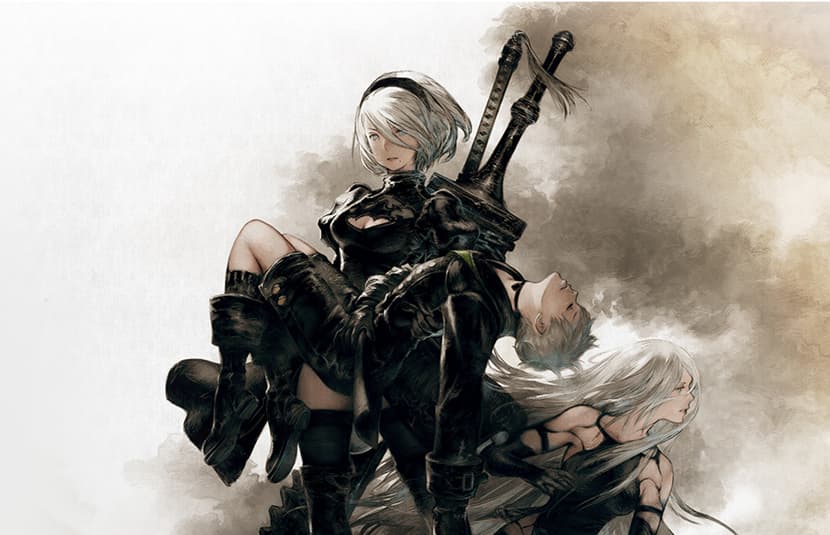
NieR: Automata is what happens when a combat-first game refuses to stay emotionally simple. On the surface, it gives you exactly what an action fan wants: fast melee strings, clean dodges, ranged pod attacks, boss fights that know how to make an entrance, and that signature PlatinumGames smoothness where movement itself feels stylish. Then it starts asking much stranger questions than most games in this lane ever bother with. Identity. purpose. memory. whether a war can keep going long after meaning has died out.
That contrast is why it ranks this high. The story is not just “better than expected for an action game.” It is the reason the game still gets brought up whenever people talk about narrative-heavy combat experiences. The route structure is part of that too. What first looks like repetition becomes perspective, and what looks like cool sci-fi dressing turns into something colder and sadder the deeper you go. It earns its reputation the hard way: by making its systems and its themes feel inseparable.
On Switch, it also has a practical edge: it’s portable, complete, and still one of the strongest examples of a big-console action game making the jump without losing its identity. If your dream pick is “I want real-time combat, not just menus, and I want a story that keeps haunting me after the credits,” NieR: Automata is the obvious answer. Just don’t go in expecting clean heroics. This game likes its beauty mixed with existential damage.
3. Astral Chain
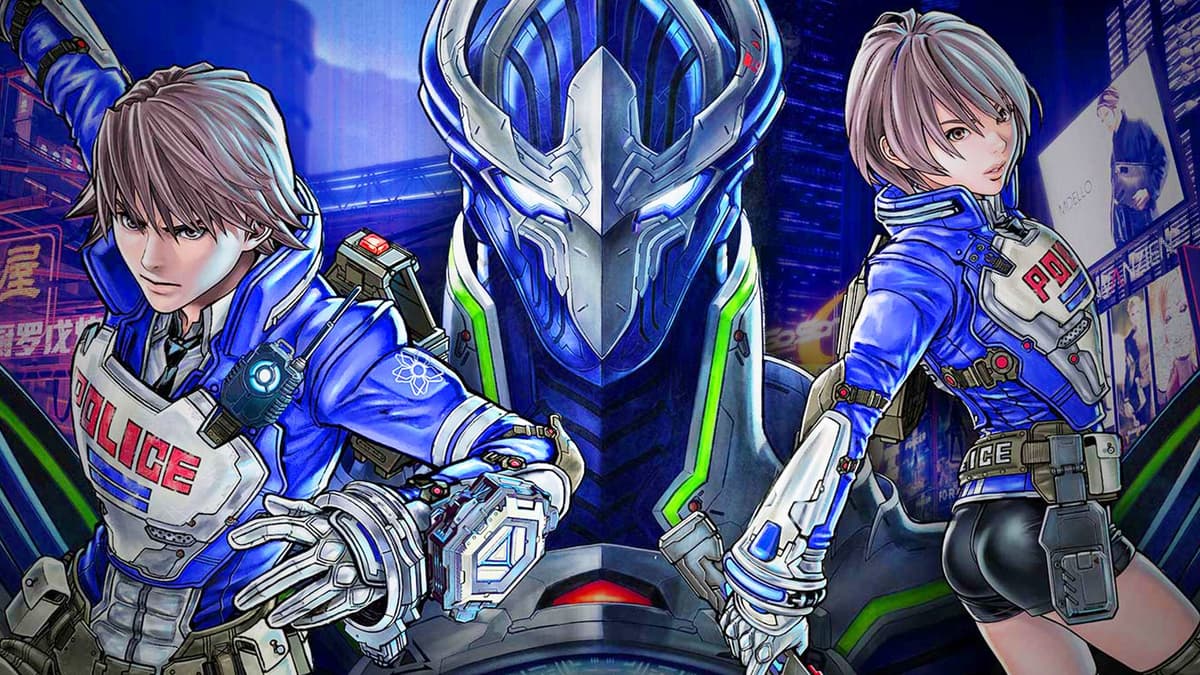
Astral Chain feels like a game designed to win over people who think action stories are usually just noise between boss fights. Its hook is excellent: you’re a police officer in a neon-drenched future city, fighting interdimensional threats alongside living weapons called Legions. That premise gives the combat a mechanical identity most action games would kill for. You are not just swinging and dodging. You are controlling space with a tether, syncing attacks, pinning enemies, and turning that chain itself into part weapon, part movement tool, part tactical trick.
The story isn’t as philosophically sharp as NieR or as emotionally rich as Xenoblade 3, but it absolutely counts as a real storyline. There’s a proper escalation, a strong setting, a cast with distinct roles in that city’s power structure, and a detective-anime rhythm that gives the action room to breathe. That last part is important. The downtime is not filler. Investigations, worldbuilding, and side interactions help sell the place as more than an excuse for combo videos.
This is also one of the most obviously Switch-coded picks on the list: stylish, ambitious, slightly weird, and exclusive enough to feel special. If you like your action technical but not punishingly opaque, and you want a campaign with enough plot to keep momentum between major set pieces, Astral Chain belongs near the top of your queue. It may not have the deepest script here, but it has one of the clearest gameplay identities, and that counts for a lot.
4. The Witcher 3: Wild Hunt – Complete Edition
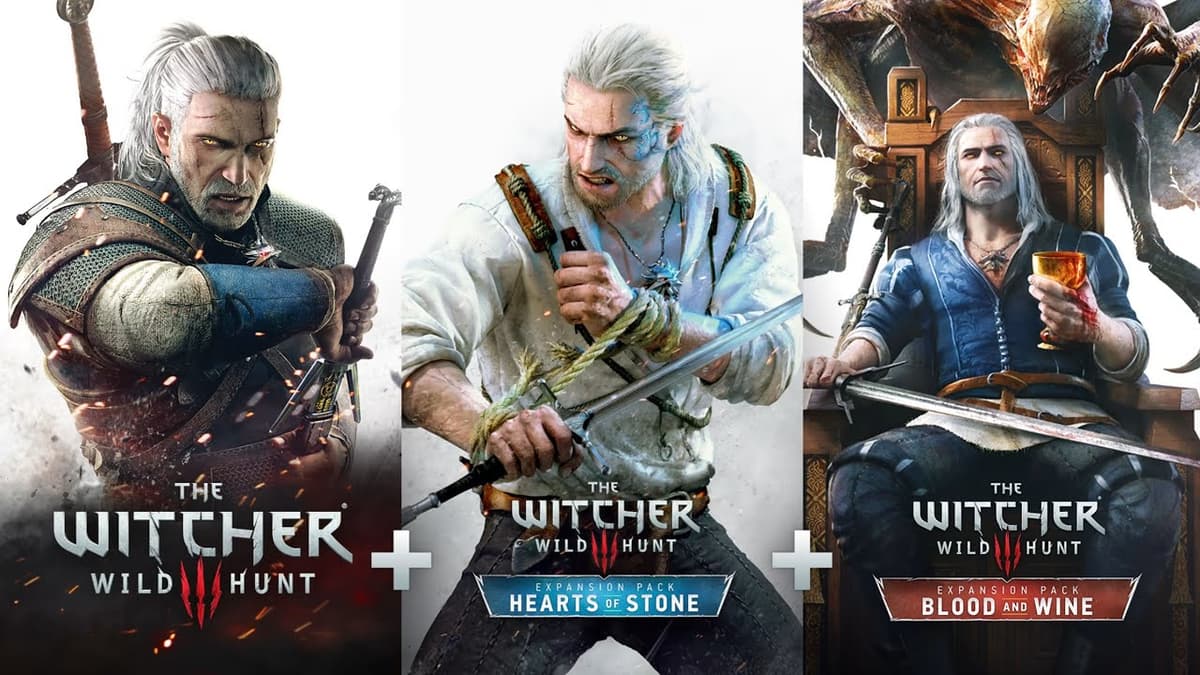
Yes, this is an action RPG first and foremost, and yes, the Switch version makes visual sacrifices. It still earns this spot because when people say they want an action game with a “real story,” what they often mean is that they want quest writing that treats every hour as meaningful. The Witcher 3 is still one of the most reliable answers to that. Geralt’s hunt for Ciri gives the game a strong emotional spine, but the secret weapon is how often even side quests feel like miniature tragedies, moral puzzles, or ugly little folk tales.
The combat has never been the sharpest on this list, so let’s be honest about that. If your only priority is precision action, NieR and Astral Chain are cleaner. But swordplay, signs, alchemy, monster prep, and contract structure still make it an active, satisfying RPG, especially because every fight is tied to a world that feels lived in. You are not clearing icons for busywork. You are stepping into disputes, curses, betrayals, and towns that seem like they existed before you arrived.
That’s why it stays high in the ranking despite the port caveats. On a handheld, the sheer amount of high-grade storytelling here is still kind of absurd. If your personal definition of story-driven action leans more toward mature writing and choices than combo systems, The Witcher 3 remains one of Switch’s most valuable packages. Just go in knowing this is a narrative marathon, not a twitch-action sprint.
5. Hades
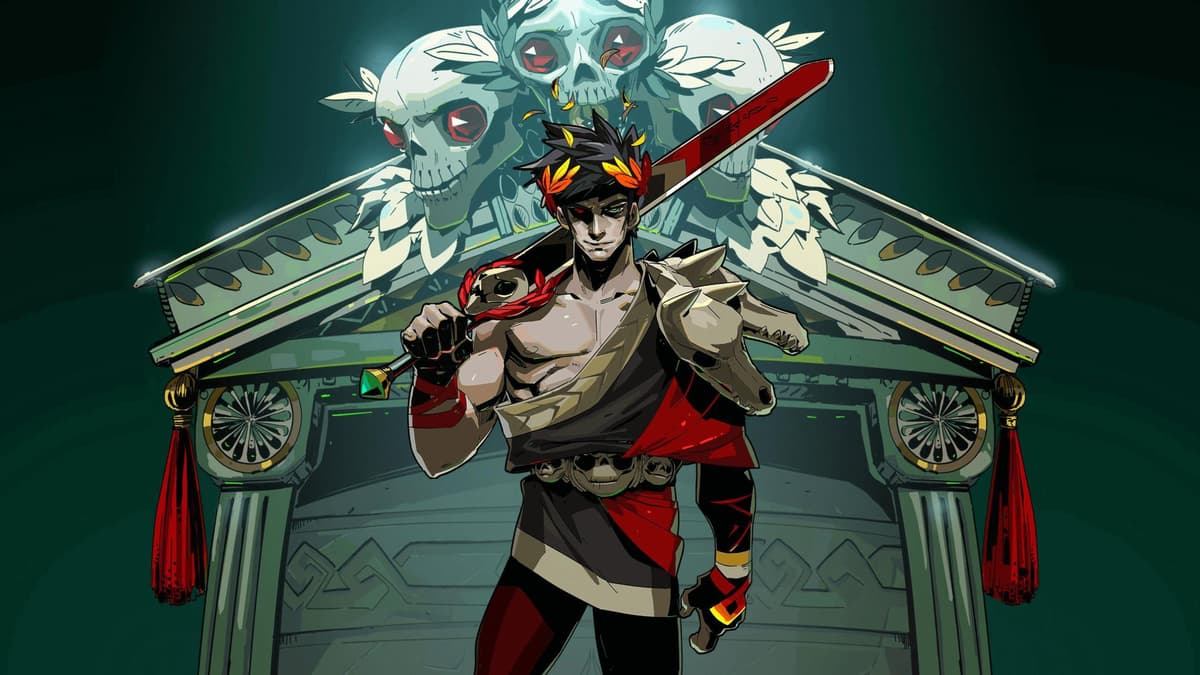
Most roguelikes are willing to let story sit in the corner. Hades drags it into the center and makes every failure part of the point. That’s the genius. You are escaping the Underworld over and over, but the runs are not separate from the narrative; they are the delivery system for it. Relationships deepen when you die. Conversations advance because you tried again. Character arcs unfold through repetition instead of being interrupted by it.
Mechanically, it’s an easy sell. The isometric combat is fast, readable, and varied enough to survive dozens of runs without feeling stale. Weapons drastically change your rhythm, boons can turn a comfortable build into nonsense in the best way, and the game has that precious handheld quality of being perfect in short sessions while still supporting obsessive marathons. But the story is what elevates it above “excellent roguelike” territory. The house cast is memorable, the family drama is stronger than the setup first suggests, and the writing has a sharpness that keeps repeated interactions from going flat.
I rank it below the more traditionally cinematic games because its narrative is drip-fed rather than dominating every minute. Even so, for players who want a combat-heavy game that actually rewards narrative curiosity instead of competing with it, Hades is a monster recommendation. It proves you do not need long cutscenes to make action feel story-rich. You just need a structure where the story is allowed to breathe between blows.
6. Ys VIII: Lacrimosa of Dana
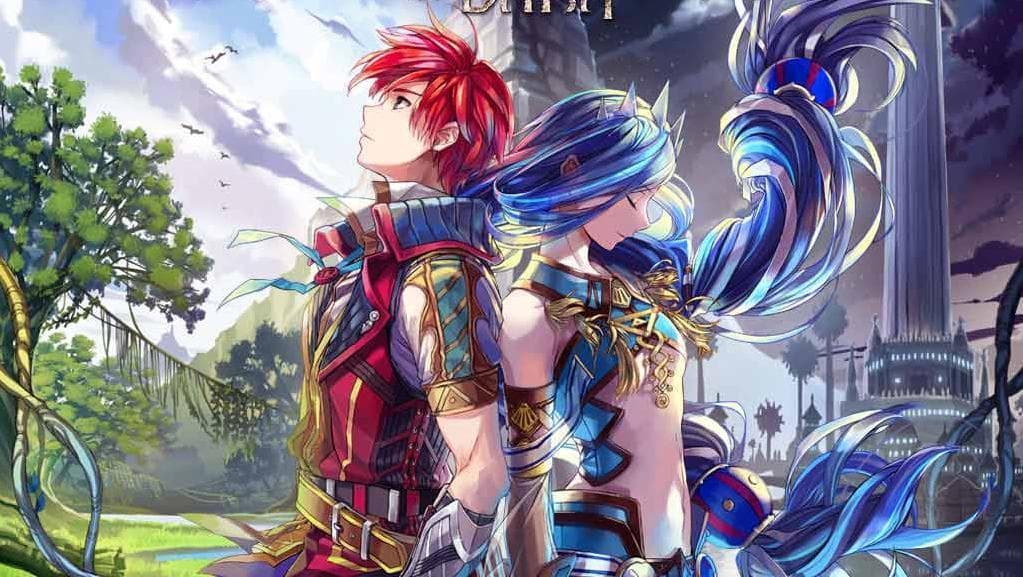
Ys VIII is one of those games people casually recommend as a “fun action RPG,” which undersells it a bit. The combat is absolutely a strength: quick strikes, timed guards, flash dodges, smooth character swapping, and a pace that never gets bogged down in self-importance. But the reason it makes this list is the story’s shape. What starts as a shipwreck-survival setup slowly turns into a mystery about the island, its history, and Dana herself, and that pivot gives the whole adventure more emotional reach than the breezy early hours suggest.
This is a great example of a game winning by momentum. Exploration feeds combat, combat feeds materials and progression, and progression feeds a story that keeps opening up instead of staying stuck in “find the next castaway” mode. The base-building aspect also helps more than it gets credit for. Watching your stranded group expand and stabilize gives the plot a nice communal texture; it feels like an adventure shared by actual people rather than a solo hero bulldozing through a map.
It ranks below the top five because the writing is less consistently sharp, and some players will bounce off its anime flavor. Fair enough. But if you want something lighter on the soul than NieR, faster than The Witcher 3, and more traditionally action-oriented than some of the hybrids below, Ys VIII is a terrific middle-ground pick. Its story sneaks up on you, and that surprise is part of the charm.
7. Persona 5 Royal
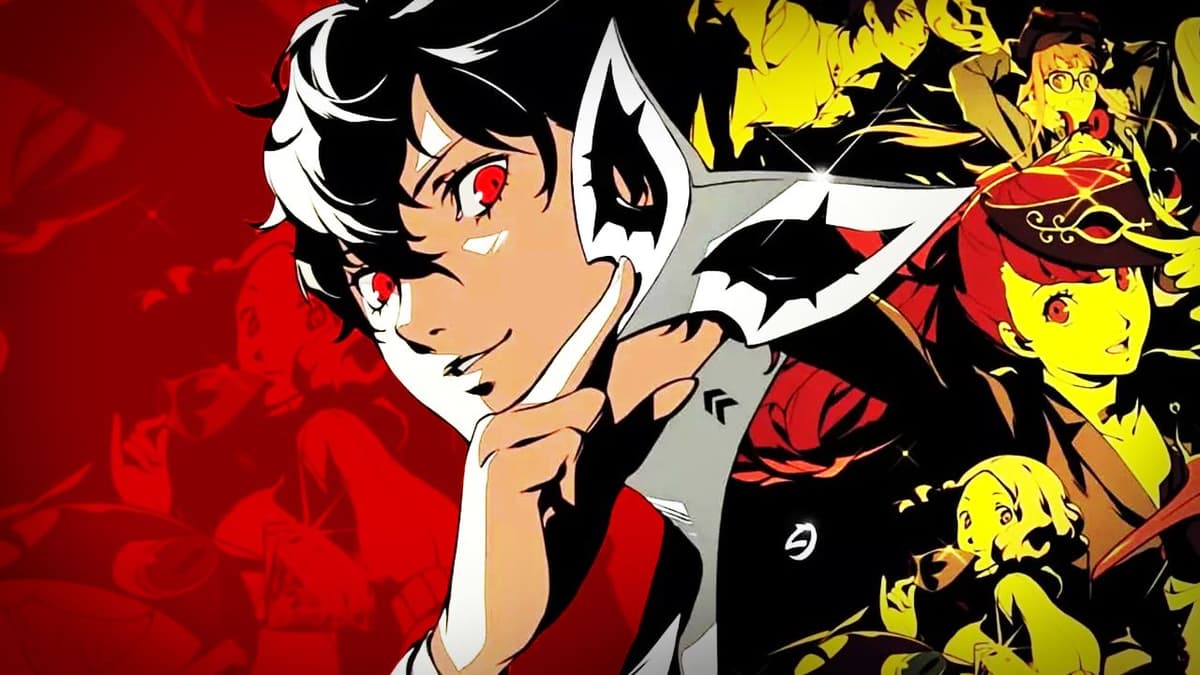
This is the rule-breaker that refuses to stay off the list. If you want to be strict and say turn-based combat disqualifies it from an action roundup, I get the objection. But Persona 5 Royal keeps appearing in top-tier story-rich Switch discussions for a reason, and pretending it has nothing to offer action-minded players would be silly. Its dungeon infiltration, stealthy movement through Palaces, stylish all-out attacks, and relentless pacing give it far more momentum than the average menu-driven RPG.
The real reason it ranks, though, is obvious: almost no game on Switch marries long-form storytelling, cast chemistry, and aesthetic confidence this well. The Phantom Thieves stick because the game gives them room to be vulnerable, petty, funny, and damaged. The social systems aren’t side fluff; they’re the engine that turns a cool premise into a relationship-heavy saga. Critics have repeatedly treated it as one of the strongest story-rich games on the platform overall, and that broader consensus matters when you’re building a list like this.
So here’s the practical verdict. If “action” for you must mean real-time swordplay, skip ahead. If what you really mean is “I want constant forward motion and a story with serious payoff,” then Persona 5 Royal absolutely belongs in the conversation. It is not the purest fit here, but it is one of the best games on Switch for players who want narrative ambition without giving up stylish, high-energy combat presentation.
8. Fire Emblem: Three Houses
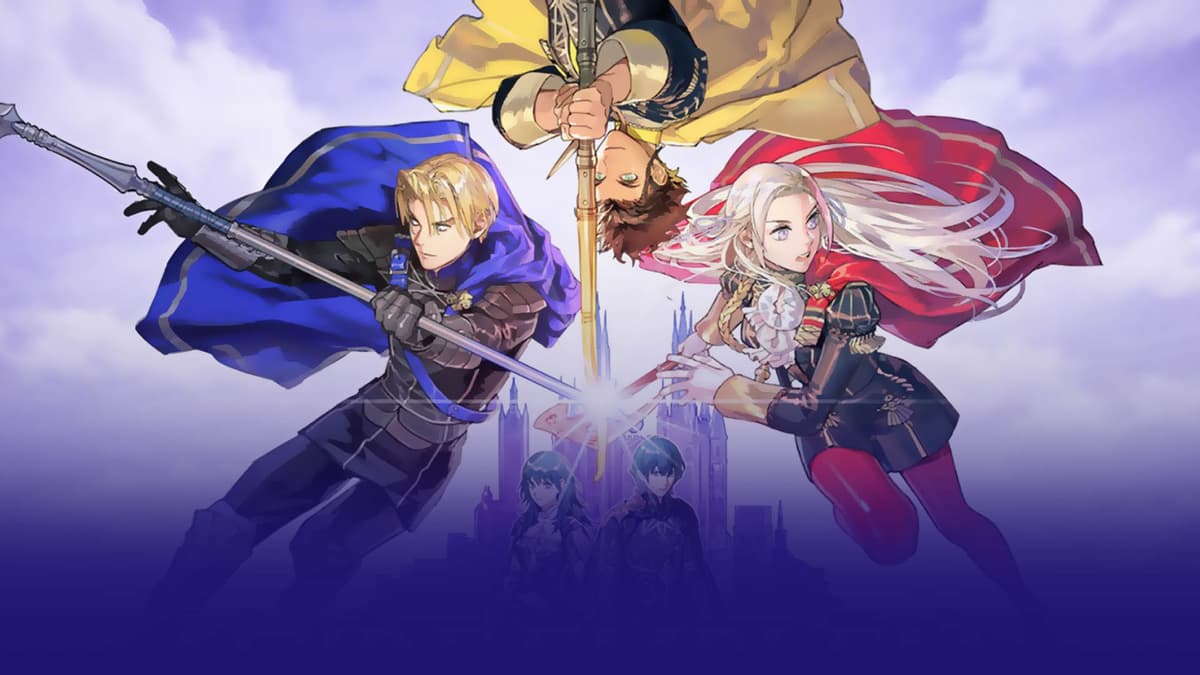
Another genre-line bender, and another one that earns the exception. Fire Emblem: Three Houses is strategy first, not real-time action, but if your top priority is a storyline with actual consequences, it deserves a place over plenty of mechanically purer action games. Its big advantage is agency. Picking a house is not cosmetic. It changes your relationships, your battlefield context, and eventually the shape of the wider conflict in ways that make the world feel more reactive than most Switch combat campaigns.
That branch-driven structure is why public story-game roundups keep surfacing it. This is not just a war plot happening in the background while you grind. The school-life half builds emotional investment in students and mentors, then the second half cashes that investment in ways that can be genuinely rough. There is a reason so many players talk about routes in terms that sound half strategic, half therapeutic. The game wants you attached, then makes attachment politically inconvenient.
Why isn’t it higher? Because this list still prioritizes action feel, and turn-based tactics are a very different itch from dodging through an enemy string in Bayonetta or Ys. Still, if you came here saying “I don’t want throwaway cutscenes, I want a war story where choices matter,” this is one of the strongest picks on the system. Just treat it as action-adjacent rather than pure action, and you’ll understand why it made the cut.
9. Bayonetta 2
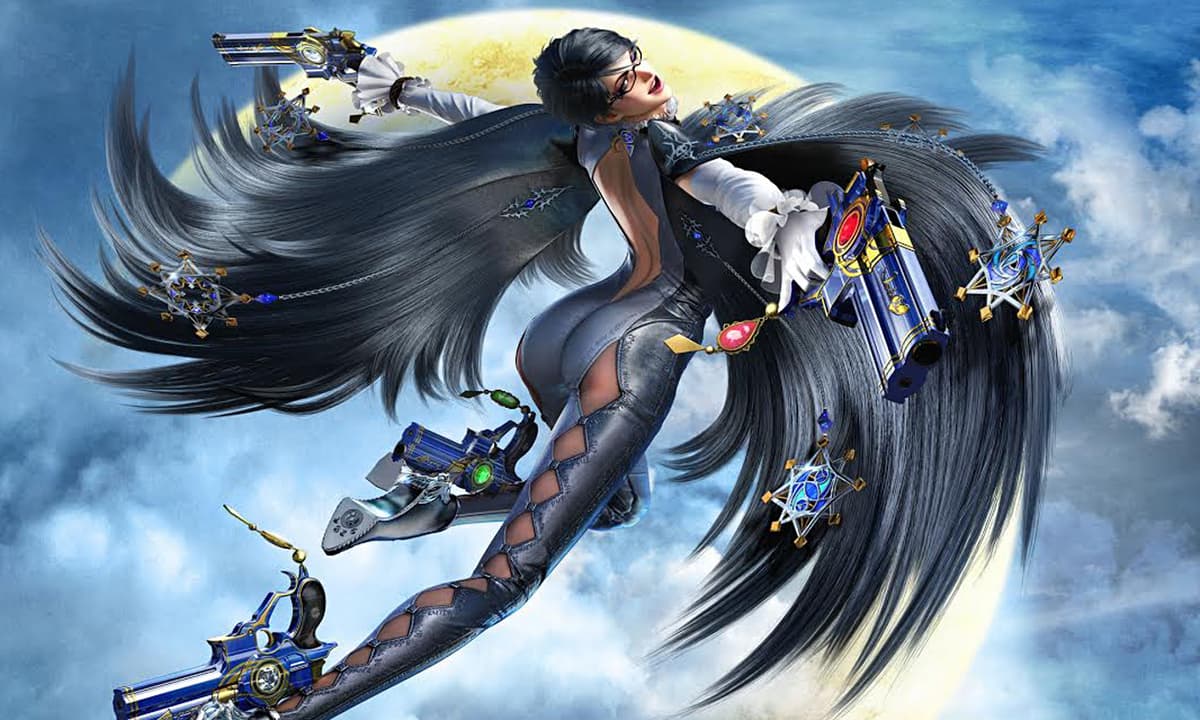
Let’s be blunt: if you rank story-driven games purely by script quality, Bayonetta 2 does not belong near the top. If you rank them by how effectively the story amplifies the action, it absolutely does. This game understands spectacle better than almost anything on Switch. Every fight feels like it’s one escalation away from total absurdity, and Bayonetta herself carries scenes with the kind of confidence most action heroes only borrow for a single cutscene before becoming generic again.
The plot is gloriously messy rather than profound, but I do think that distinction matters. A weak story drags a game down. A ridiculous story that knows exactly what tone it wants can still power a great campaign. Bayonetta 2 is the latter. It treats demons, angels, dimension-hopping, and giant boss insanity as fuel for style, and the combat system is skilled enough to cash every check the presentation writes. Dodge offset, weapon variety, enemy pressure, and encounter design all give the game replay value well beyond a first clear.
This lands low because “real storyline” means something more substantial for the games above it. But I wouldn’t leave Bayonetta 2 off a Switch list like this, because some players want their narrative delivered through attitude, pace, and pure set-piece conviction rather than introspective dialogue. If that’s you, this is still one of the sharpest action campaigns on the machine. Just do not walk in expecting a tearjerker. Expect controlled chaos with purpose.
10. 13 Sentinels: Aegis Rim
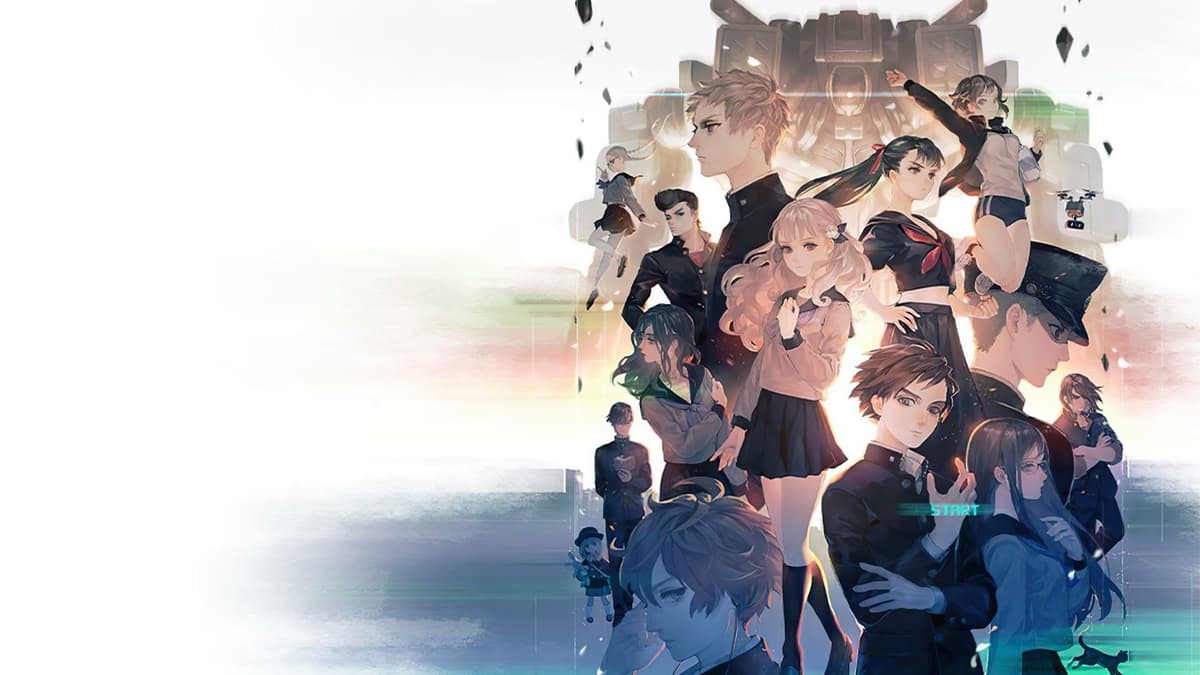
This is the biggest genre stretch here, but it would feel wrong to ignore it when talking about story-heavy combat games on Switch. 13 Sentinels: Aegis Rim is part visual novel, part side-scrolling exploration mystery, part real-time-with-pause mech defense game. If you need constant action to stay engaged, it may be too narrative-first. If you want a game where the story is the main event and the battles give it shape instead of just decoration, it becomes a seriously strong wildcard.
What earns its place is structure. Thirteen protagonists, shifting timelines, science-fiction twists stacked on top of each other, and a plot that somehow keeps turning chaos into clarity. The action segments are streamlined compared to the top entries, but they do important work: they create urgency, scale, and the sense that all these individual threads are colliding toward something massive. A lesser game would drown in its own complexity. This one keeps finding ways to turn confusion into momentum.
I’m putting it at number ten because this list still serves players shopping for action first, story second, and 13 Sentinels often flips that ratio. But if your real complaint with many action games is that they never seem brave enough to tell an interesting story, this is the corrective. It’s the pick for readers willing to trade combo depth for one of the most intricately structured narratives available on Switch.
How to pick the right one for you
If you want the safest all-around recommendation, start with Xenoblade Chronicles 3. It is the best blend of active combat and serious narrative payoff. If your priority is pure action feel, go straight to NieR: Automata, Astral Chain, or Bayonetta 2. If you want story to dominate and you’re fine with genre bending, Persona 5 Royal, Fire Emblem: Three Houses, and 13 Sentinels are the smarter bets. And if you need something easier to dip into on handheld, Hades is still the cleanest “one more run” answer on the list.
The short version is simple: the best story-driven Switch action games are usually not the loudest, fastest, or most mechanically pure. They’re the ones that make the fights mean something. That’s the bar these ten clear, even when they take very different routes to get there.
FinalBoss // Gear
Level up your setup
01Best-selling Switch 2 gameson Amazon→02Switch 2 accessorieson Amazon→038BitDo controllerson Amazon→04Discounted game keyson Kinguin→
Affiliate links · As an Amazon Associate, FinalBoss earns from qualifying purchases.
Want to Level Up Your Gaming?
Get access to exclusive strategies, hidden tips, and pro-level insights that we don't share publicly.
Ultimate Top Strategy Guide + Weekly Pro Tips