
Xbox’s big subscription promise is running into its most expensive test case: Call of Duty. If the latest reports are even half right, Microsoft is preparing to quietly rewrite what “day one on Game Pass” actually means.
Table of Contents (8)
Key takeaways
- A new report claims Microsoft is considering pulling Call of Duty from standard Game Pass day-one access, or moving it into a higher-priced “super-tier.”
- The rumor lands days after new Xbox boss Asha Sharma told staff that “Game Pass has become too expensive for players” in a leaked internal memo.
- Putting Call of Duty behind a more expensive tier would be an admission that the flat “all first-party day one” model doesn’t really work for mega-franchises.
- The real stakes aren’t just pricing; it’s whether Xbox walks back a decade of messaging about what Game Pass is supposed to be.
Game Pass’s founding promise is colliding with Call of Duty math
For years, Xbox has sold Game Pass on a simple, aggressive line: all first-party games, day one, for a flat monthly fee. That pitch became even more dramatic when Microsoft spent nearly $70 billion to acquire Activision Blizzard, effectively bringing Call of Duty into the first-party stable.
On paper, that meant future Call of Duty releases – including the Black Ops 6 era and its seasonal updates – were part of the same deal as every other Xbox Studios title. Pay for Game Pass Ultimate, play CoD at launch, no $70 purchase required.
But Call of Duty isn’t just another first-party game. It’s a billion-dollar annual franchise that historically sells tens of millions of copies at full price before you even count battle passes, skins, and season bundles. Letting millions of Xbox players access that on subscription instead of buying it outright is a very expensive decision.
We’ve already seen the strain. Microsoft pushed Game Pass Ultimate to $29.99/month in 2025, with a lot of industry chatter linking that increase to the cost of putting tentpoles like CoD on the service from day one. At the same time, overall Game Pass growth has leveled off compared with its early years.
So the pressure points are obvious: Game Pass is pricey enough that the new Xbox chief is calling it “too expensive for players,” but it still has to cover games that cost hundreds of millions of dollars to build and market. Something in that equation has to move.
The Jez Corden rumor and what a ‘super-tier’ would actually be
The latest spark came from Windows Central’s Jez Corden, who posted on ResetEra that Microsoft is internally debating Call of Duty’s day-one status on Game Pass. According to Corden’s comments, having CoD in the regular Game Pass mix is hurting both Call of Duty’s direct revenue and the economics of the subscription itself.
His suggestion: Xbox is considering either removing CoD from day one access on the existing tiers, or walling it off in a new, more expensive “super-tier” that would also house other major live-service titles. Microsoft hasn’t commented publicly, and this isn’t an official roadmap – but the idea fits uncomfortably well with the financial reality.
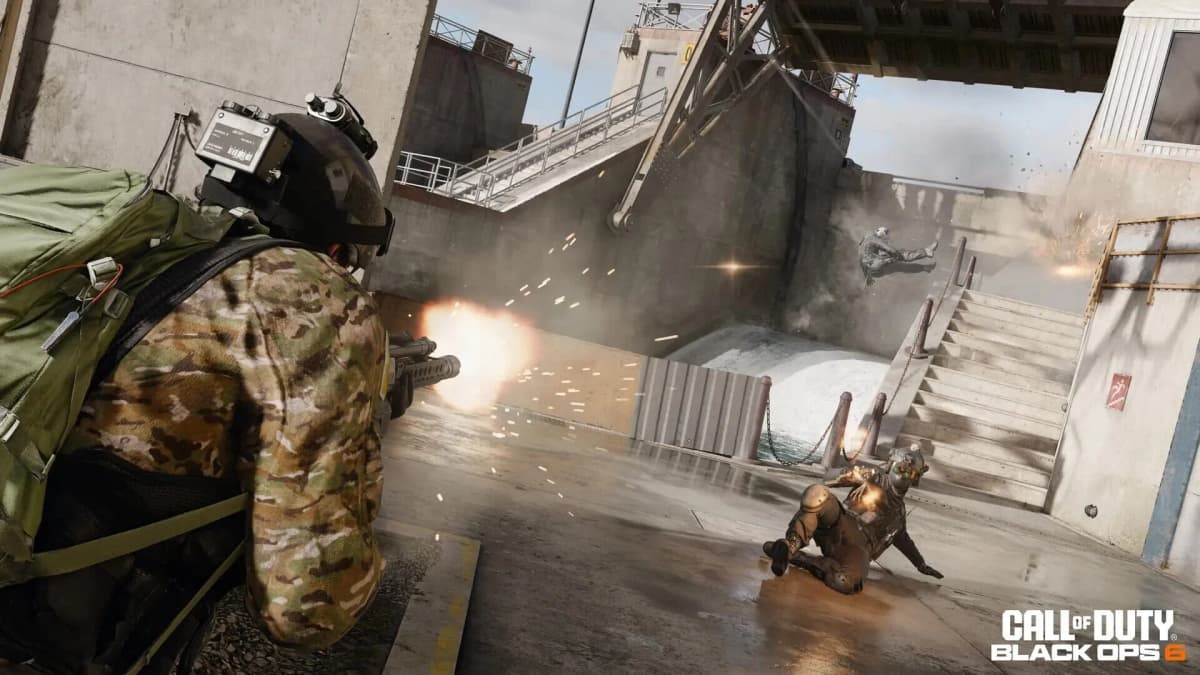
In practice, a super-tier would likely look something like this:
- A cheaper base Game Pass tier with back catalog and older first-party titles, no day-one blockbusters.
- A mid-tier (today’s Ultimate equivalent) with most day-one first-party, cloud, cross-platform perks.
- A top-tier “premium” or “super” plan that adds Call of Duty and maybe a few other huge service games on day one.
That top tier is where Microsoft would try to recapture some of the $70 launch price they’re giving up by offering CoD as an all-you-can-eat subscription item. If they can convert a fraction of the CoD audience into a $35-$40/month tier, the math starts to look more like selling a full-price game every year plus recurring revenue from microtransactions.
The uncomfortable bit is obvious: once you admit that some first-party games belong in a special, more expensive bucket, you’ve broken the purity of the original Game Pass pitch. The line is no longer “all first-party day one,” it’s “all first-party day one, unless it’s too big to be profitable at your tier.”
If I had one question for the Xbox PR team right now, it would be simple: does “all first-party games day one on Game Pass” still apply to Call of Duty for all subscribers, yes or no? Anything other than a plain “yes” will tell you where this is heading.
Asha Sharma’s memo hints at a complete Game Pass reset
The Jez Corden rumor didn’t drop in a vacuum. Days later, The Verge reported on an internal memo from Asha Sharma, Microsoft’s new head of gaming, telling staff that “Game Pass has become too expensive for players” and that the model will be reworked over time.
Sharma’s reported comments are important for two reasons:
- They acknowledge that the current price structure is unsustainable for players globally, not just in the US.
- They signal that Microsoft is looking for “a more flexible, long-term value model,” as summarized by XboxEra’s coverage.
“More flexible” usually means more complicated. Think Netflix’s ad tiers, or Sony’s PlayStation Plus split into Essential, Extra, and Premium. The standard playbook is: introduce a cheaper tier that looks attractive in isolation, then keep the stuff people really care about in the more expensive options.

Call of Duty is the perfect candidate to anchor that top tier. It’s annualized, it’s service-driven with seasons and battle passes, and it has a huge, relatively price-insensitive core audience. That audience is already used to dropping money on cosmetics and bundles every season; Microsoft will be tempted to turn “Game Pass Super” into just another line item in that spend.
This is where the new leadership angle matters. Asha Sharma comes in with a background in high-margin, subscription-heavy businesses at Microsoft, and she’s stepping into a division that’s just gone through layoffs, studio closures, and public questions about profitability. It would be more surprising if she didn’t question whether the current Game Pass promise makes financial sense.
What this would actually mean for Call of Duty players
Strip away the corporate strategy and you’re left with a simpler player question: how do I get into the next Call of Duty — and every season after — without getting burned?
If Microsoft moves ahead with a super-tier approach, a few scenarios are likely:
- Standard Game Pass loses day-one CoD access. You either wait a set period (three to six months) for CoD to hit your tier, or you pay full price at launch.
- CoD is exclusive to the top tier on day one. Ultimate-level subscribers get a “you can upgrade to Super and keep your library” message, while everyone else is locked out of day-one access unless they pay more.
- Seasonal content becomes the real gate. The base game may eventually land in lower tiers, but specific seasonal content windows (new maps, weapons, modes) are effectively timed exclusives for the super-tier or full-price owners.
For PlayStation and PC players buying on other storefronts, none of this changes the basic deal: you’ll pay up front and then decide how deep you go into the seasonal monetization. The disruption is squarely on the Xbox side, where many players have come to treat Game Pass as their default way of trying new releases, including CoD.
In a live-service context — whether that’s Black Ops 6’s seasonal cadence or whatever comes after — delaying or gating access through subscription tiers can actively hurt the game’s ecosystem. Fragmented access means fragmented queues, slower adoption of new content drops, and a messier conversation around which players can actually participate in the “current” season.
That’s the trade-off Microsoft will have to weigh: squeezing more revenue per player versus keeping the CoD ecosystem as frictionless as possible on its own platform.
The trust problem: once you walk this back, you don’t get it back
The biggest long-term risk isn’t a few dollars more on a premium tier. It’s trust.
“All first-party games, day one on Game Pass” has been a core part of Xbox’s identity. It differentiated them from PlayStation, justified hardware purchases, and made Game Pass the obvious recommendation for anyone building an Xbox library.
If Call of Duty becomes the exception, it sets a precedent. Other high-cost or high-profile games — think massive RPGs or always-online action titles — can slowly migrate into that same super-tier category. Each one will be framed as a special case. Collectively, they redefine the service.
Players have seen this pattern before. Netflix started as “all you can watch” before carving out 4K, then password sharing, then ads. Sony’s PS Plus overhaul introduced a simple three-tier pitch that turned messy as games rotated in and out with less communication. Once a platform starts heavily segmenting access, clarity evaporates.
From Microsoft’s perspective, introducing a super-tier might be the “least bad” fix for a business model that was too generous to survive contact with a series as big as Call of Duty. From a player perspective, it would be a concrete signal that you can’t take Xbox’s broad Game Pass promises at face value anymore; every new game will come with the question, “Which tier am I actually getting this on?”
How they communicate that shift will matter almost as much as the numbers themselves. A clear, explicit change of policy — “here’s what’s different, here’s why, here’s which games are affected” — will sting, but at least it’s honest. Quietly excluding CoD from marketing and burying the details in a pricing chart would do more damage than any $5 price hike.
What to watch next
- The next major Xbox business or showcase event. If Game Pass tiers or wording around “day one” change on slides or websites, that’s your first confirmation.
- Official messaging around the next Call of Duty launch. Watch for specific language about “available on Game Pass” versus “available with Game Pass [tier name].” The absence of a clear promise will be telling.
- Any public follow-up from Asha Sharma. An interview or blog post expanding on her “too expensive” memo will likely outline the new subscription philosophy.
- Fine print on Game Pass pages. Microsoft has quietly updated terms before; if CoD or “select titles” get carve-outs, expect the language to appear there first.
TL;DR
A rumor from Windows Central’s Jez Corden says Microsoft is considering removing Call of Duty from standard Game Pass day-one access, or moving it into a pricier “super-tier.” That lines up with a leaked memo from new Xbox gaming chief Asha Sharma, who told staff Game Pass has become “too expensive” and needs a new, more flexible model. The key thing to watch now is whether Xbox quietly rewrites its “all first-party day one” promise — starting with Call of Duty.
FinalBoss // Gear
Level up your setup
01Best-selling Xbox Series X|S gameson Amazon→02Xbox controllerson Amazon→03Top-rated gaming headsetson Amazon→04Discounted game keyson Kinguin→Affiliate links · As an Amazon Associate, FinalBoss earns from qualifying purchases.
Want to Level Up Your Gaming?
Get access to exclusive strategies, hidden tips, and pro-level insights that we don't share publicly.
Ultimate Gaming Strategy Guide + Weekly Pro Tips