
If You’re Tired of Total War, Master of Command Is the 18th‑Century Shake‑Up We Needed
Game intel
Master of Command
Step into command during the Seven Years' War with this innovative roguelike historical strategy game. Randomly generated campaigns and real-time battles deman…
Why This Strategy Launch Grabbed Me
I love a sweeping Total War campaign as much as the next strategy tragic, but the series’ recent bloat and wobbly AI have dulled the thrill. Master of Command immediately caught my attention because it aims straight at the part of grand strategy that too many games sidestep: the terrifying math of logistics and the cost of every regiment. Set during the Seven Years’ War and built by Armchair History Interactive, it’s a snappier, regiment-focused alternative that asks you to care about men, muskets, and supply wagons-not just pretty battle replays.
- Regiment-level tactics meet campaign logistics where every lost soldier and rifle matters.
- Over 150 historical unit types and customizable flags/colors without drowning you in menus.
- Full release improves AI, fixes corner-camping, tones down laser artillery, and tightens campaign flow.
- Priced at $29.99/£24.99 with a 10% launch discount until Monday, November 3-refreshingly reasonable.
Breaking Down the Announcement
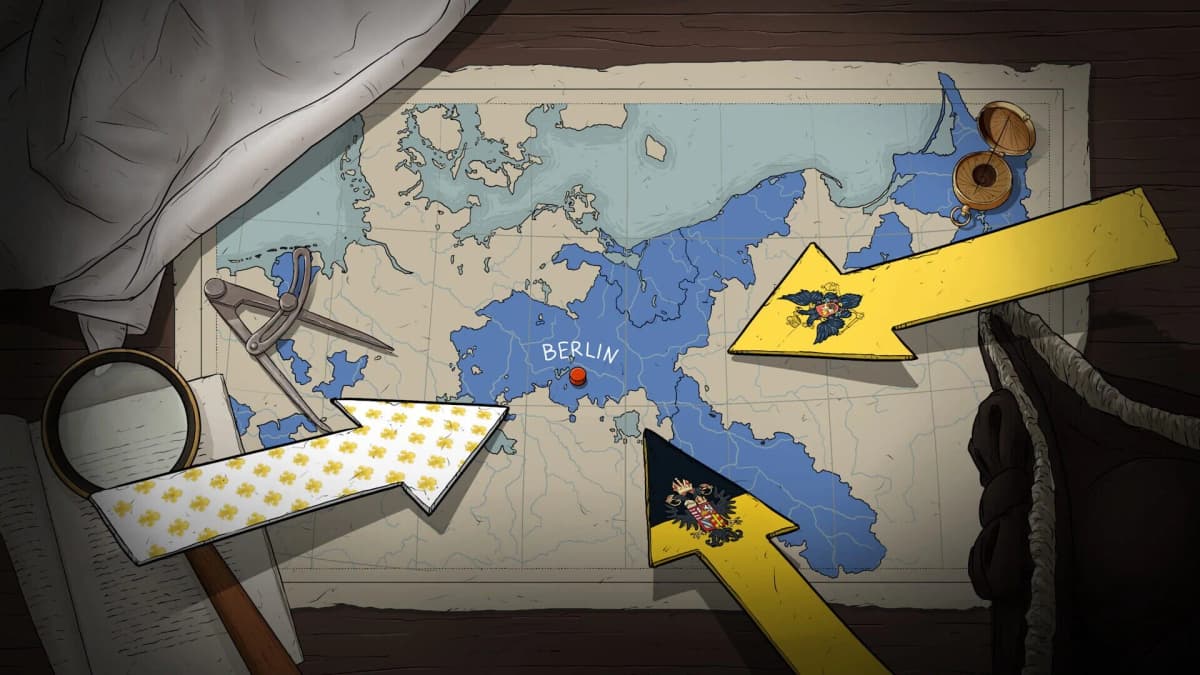
Master of Command is out now on Steam, dropping you into the Seven Years’ War with a campaign that makes resources and time the real enemies. The studio frames the core loop with a blunt warning: “March too far and your men will starve. Rest too long and the enemy will reinforce.” That push-pull is the series of decisions most strategy games abstract away, and it’s where this one lives.
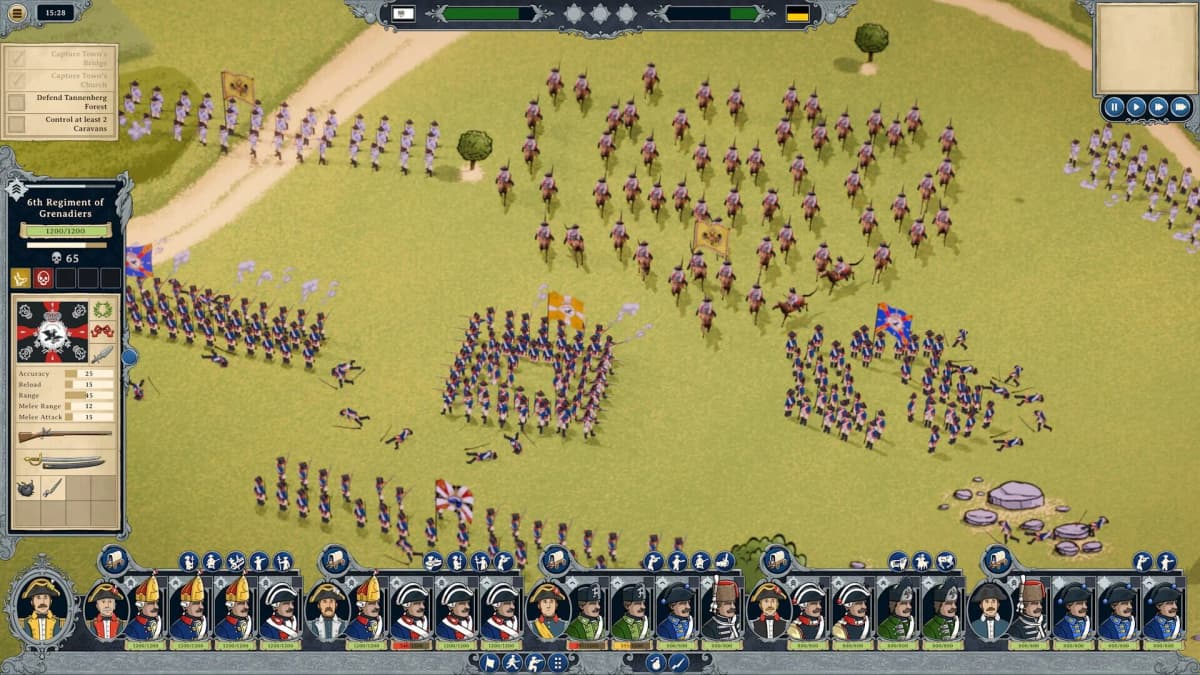
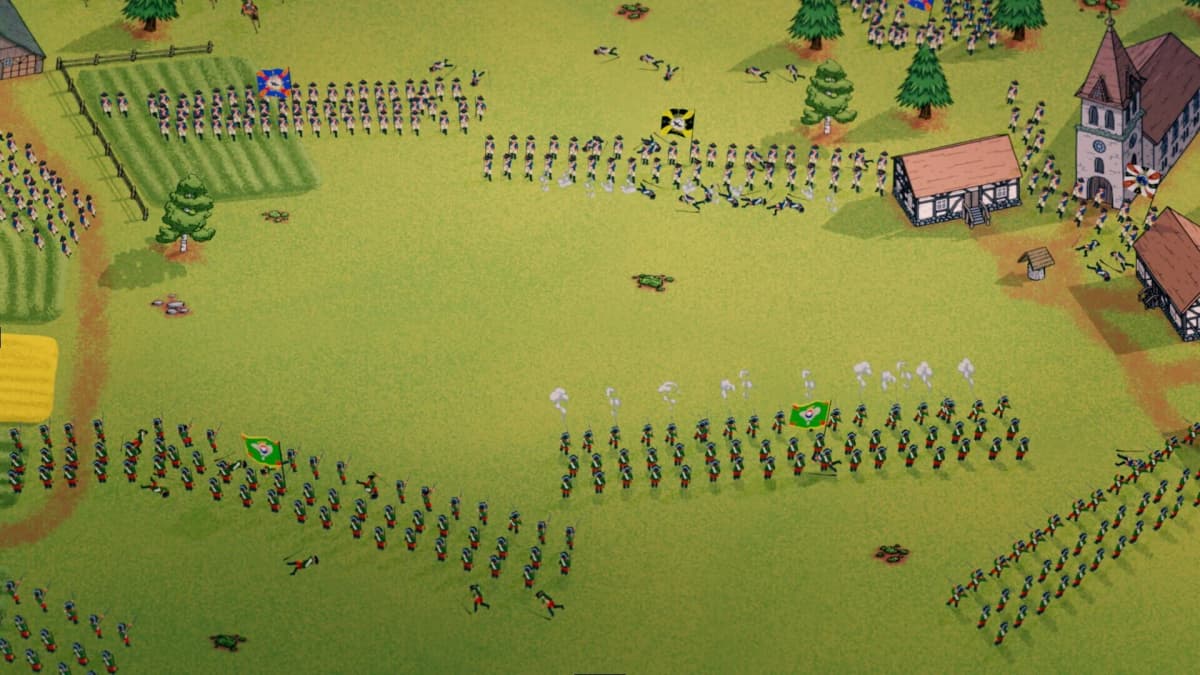
On the field, you’re dealing with 18th-century warfare the way it should feel: line battles that reward formation discipline, flanking, and terrain study. It’s not trying to match the cinematic sprawl of Total War: Warhammer 3; instead it focuses on clarity-reading a ridge line, spotting a weak flank, committing a bayonet charge at the right moment. Off the field, the campaign lets you build settlements and outposts to create safe harbors for recovery, keep your regiments fed, and maintain equipment stocks. Victories lead to ranks and promotions, and—this is key—you’ll want to keep your best officers alive. The XCOM-like dread of losing a veteran commander you’ve nurtured for hours is deliberate.
There’s personality, too. You can customize your army’s colors and flags, which sounds cosmetic until you realize the game is designed to make you care about specific regiments. That sense of identity keeps the stakes high; you’re not throwing away an abstract unit card, you’re risking your hard-fought 3rd Grenadiers with the blue pennant.
Why This Matters Now
We’re in a moment where big-strategy fatigue is real. On one side, you’ve got sprawling empire sims threatening to turn into spreadsheet management; on the other, battles that promise spectacle but fumble sieges and supply. Master of Command threads a middle path. It’s historically grounded like a leaner Total War: Empire, but it shifts the spotlight to attrition, readiness, and post-battle recovery—the stuff that actually decided 18th-century campaigns. When a regiment breaks here, it’s not just a morale bar emptying; it’s the cumulative impact of marching wet, eating poorly, and being led by a green officer.
This caught my attention because it pushes the genre toward meaningful friction. Good strategy games make movement a decision, not a convenience. If resting to recover costs time—time the enemy might use to entrench—then suddenly the map is a web of hard choices instead of a highway to the next set-piece battle.
Skepticism: Smart Changes, New Risks
Armchair History says the full release tightens campaign pacing, reduces the comically accurate enemy artillery from the demo, and reworks maps with more elevation to stamp out corner camping. All of that sounds like the right kind of iteration. There’s also a new defensive stance for the AI, which could be great—defense should be powerful in this era—but it raises a question: will battles drift into slow-motion trench chess if the AI turtles too hard? The studio admits it might need more tuning and promises frequent updates through the rest of the year.
My other concern is the eternal one for logistics-heavy games: readability. If supply, fatigue, and equipment are the stars, the UI has to make their states obvious at a glance. Micromanagement for its own sake kills momentum. The pitch here is “depth without drowning,” and while the demo pointed in that direction, the full release will need to keep the balance—especially once you’ve got multiple fronts and several wounded regiments limping home at different recovery rates.
Want to Level Up Your Gaming?
Get access to exclusive strategies, hidden tips, and pro-level insights that we don't share publicly.
Ultimate Gaming Strategy Guide + Weekly Pro Tips
What Gamers Need to Know
- Scope: Seven Years’ War campaign focused on regiment-level tactics and survival, not empire-sized bloat.
- Content: 150+ historical units, officer promotions, buildable outposts/settlements, and full army color/flag customization.
- Improvements from demo: saner artillery, more vertical maps to curb exploits, sharper AI, better campaign tempo.
- Price: $29.99/£24.99, with a 10% launch discount until Monday, November 3.
- Post-launch: developer plans frequent balance updates through the rest of the year.
If you’ve been craving an 18th-century tactics game that respects your time and your decisions, this looks like the right size and price. It won’t replace the operatic spectacle of a massive Total War endgame, but it might deliver something rarer: battles you remember because you earned them, and campaigns where resting a day too long haunts you for hours.
TL;DR
Master of Command strips grand strategy back to regiments, rations, and leadership—and the genre is better for it. If Total War fatigue is real for you, this is the grounded, logistics-first palette cleanser worth your weekend.