
Table of Contents (7)
Why IGN’s 30-game horror canon matters more than you’d expect
IGN’s 30th‑anniversary list of horror masterpieces is more than a sentimental countdown. It’s a thesis: the genre’s throughline runs from text‑and‑pixel experiments like Shadowgate to the cinematic remakes and franchise tentpoles dominating headlines today. That argument lands at the same moment Capcom’s latest Resident Evil entry – the game being used to mark the series’ 30th year – hits players, a Fatal Frame remake is slated for 2026, and even hardware gets the brand treatment with a Resident Evil Switch 2 Pro Controller. Taken together, IGN’s list feels like a catalogue and a justification: these old scares still sell.
Key takeaways
- IGN’s list traces horror’s evolution effectively, connecting early text adventures and fog‑heavy PS1 atmospherics to modern AAA remakes and Metroidvanias (IGN).
- The latest Resident Evil (the 30th anniversary mainline entry) refines gameplay but leans on nostalgia in ways some players find unbalanced (Steam News/Steam store update).
- Filmmakers and showrunners are being called on to respect source material more – Paul W.S. Anderson insists production teams should play or view let’s plays to capture a game’s “DNA” (GamesRadar+/3DJuegos).
- Capcom’s merchandising — subtle controller tie‑ins, not the old cartoonish chainsaws — shows the franchise is being treated as heritage IP rather than disposable hype (Nintendo Life).
Why this montage of classics is a defensive play — and a commercial one
IGN is doing what legacy media does best: curate a canon that both celebrates and legitimizes. That’s useful. The list stitches together why Shadowgate sits beside Silent Hill and Resident Evil in the same family tree — shared mechanics, narrative constraints, and how hardware limits (hello PlayStation fog) became design strengths. But that cultural framing also defends an industry pattern: dust off a classic, soft‑reboot or remake it, and you’ve got a product with nostalgia’s marketing built in.
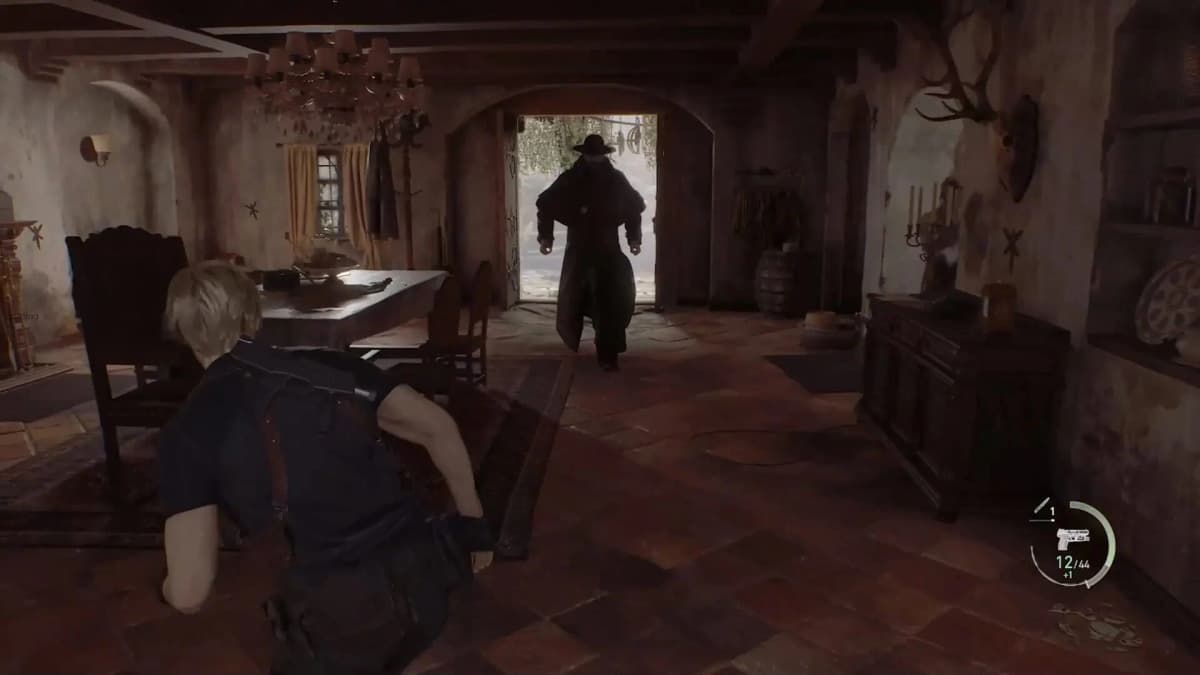
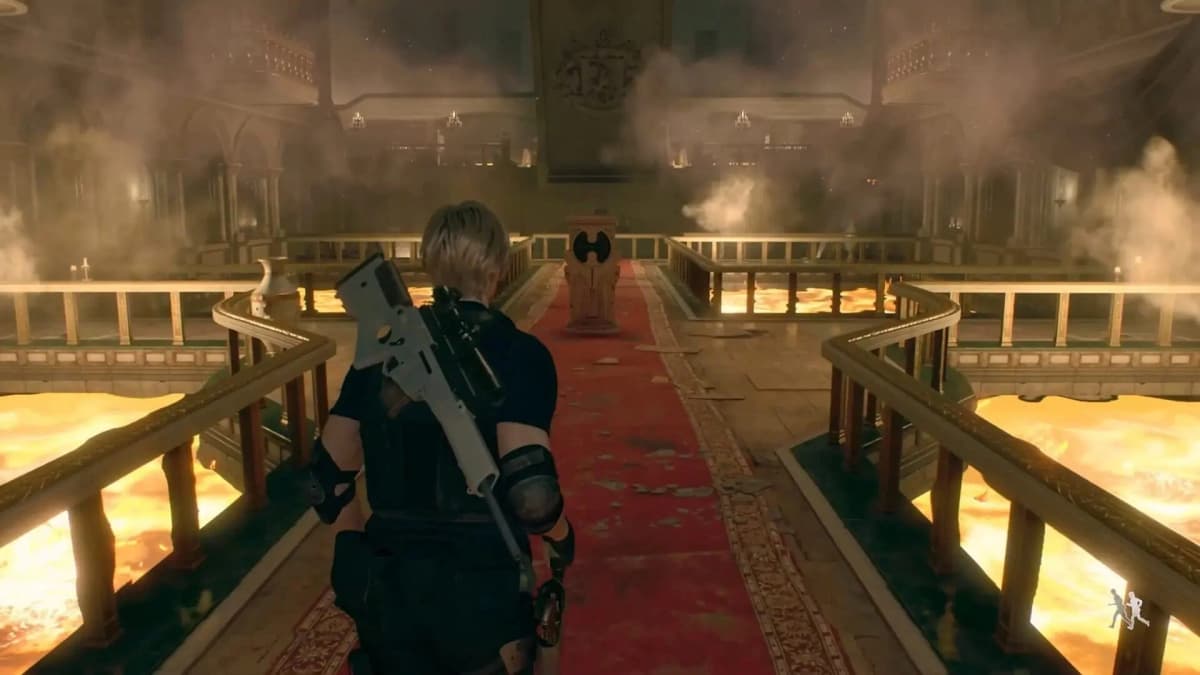
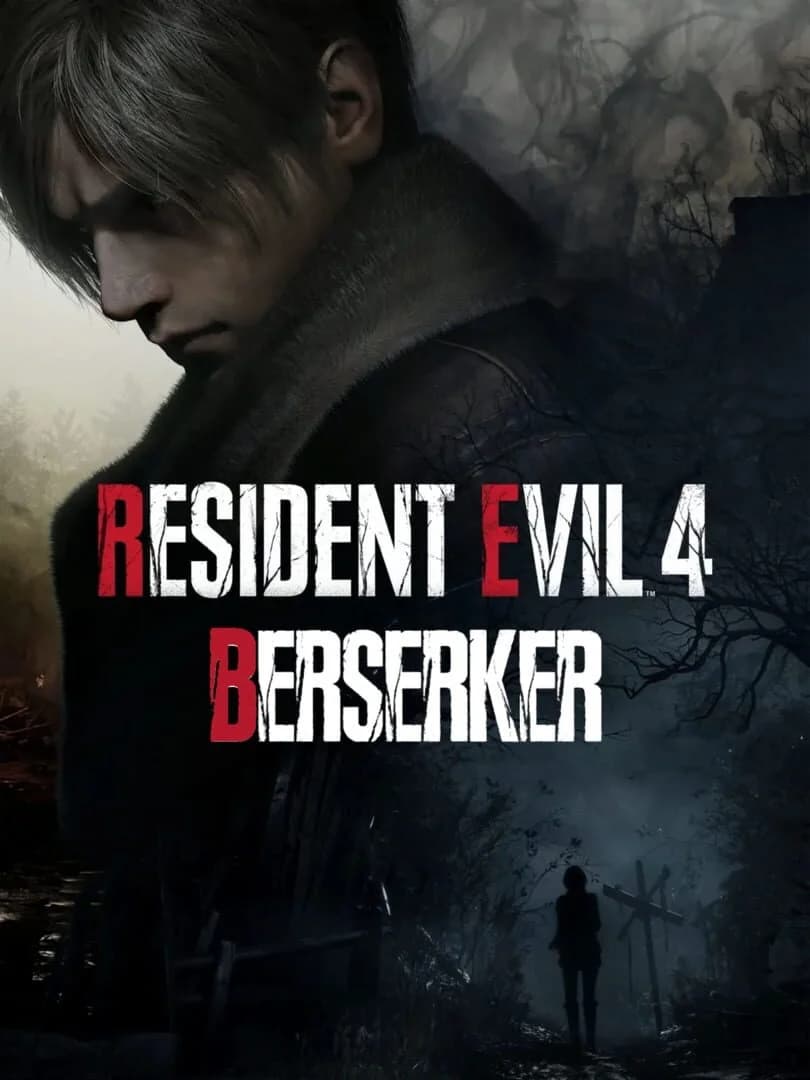
Capcom is Exhibit A. The new mainline Resident Evil — rolled out as part of the 30th anniversary — is being praised for polishing core systems while also criticized for leaning on “cheap nostalgia” that skews balance (Steam News). That’s exactly the tension the IGN list implicitly debates: preservation and reinvention versus repackaged comfort food.
The adaptation era: respect the source or just cash the checks?
IGN’s list arrives in a climate where adaptations, remakes, and merch are converging. Paul W.S. Anderson’s blunt insistence that filmmakers must play the games they adapt (and force designers to watch let’s plays) isn’t mere nostalgia policing — it’s a demand for craft. If you’re going to extract value from a decades‑old game, do it with an eye toward what made it work: pacing, framing, and player agency. That’s the counterweight to the “remake for quarterly revenue” model.
Meanwhile Capcom’s approach to merchandise — the tasteful Switch 2 Pro Controller nod documented by Nintendo Life — signals a more mature stewardship of legacy IP. It’s not gratuitous gore on a pad; it’s brand continuity. That’s good for fans, and good for the bottom line. But it also makes the industry’s next move predictable: we’ll see more curated reissues and merch bundles aimed at older players with disposable income.
The question IGN didn’t ask out loud
Which of these celebrated masterpieces are being listed because they deserve ongoing remakes, and which are being upheld as untouchable artifacts best left alone? IGN connects the dots brilliantly, but the ecosystem around the list — a new Resident Evil, a 2026 Fatal Frame remake, and multimedia adaptations — forces a practical question: do we want reverent reboots or safe reworks that trade innovation for brand fidelity?
What to watch next
- Player and critic reaction to the new Resident Evil’s balance between new mechanics and nostalgia — review aggregates and patch notes over the next 4-6 weeks will show whether “cheap nostalgia” is fixed or expanded (Steam News signals the issue now).
- How the 2026 Fatal Frame remake positions itself: full mechanical overhaul or faithful port? Its release and the choice of engine will tell if Capcom is betting on risk or comfortable recapture (IGN flagged Fatal Frame II in the list).
- Adaptations’ craft choices: watch production design callouts and director comments. If more teams adopt Anderson’s “watch let’s plays” rule, fidelity may improve — if not, expect more headline complaints from fans (GamesRadar+/3DJuegos).
TL;DR
IGN’s 30‑game horror canon is a valuable map of the genre’s evolution and a handy justification for the current remake boom. But the surrounding noise — a new Resident Evil that courts nostalgia, a queued Fatal Frame remake, and tasteful merch — reveals the real industry play: legacy equals leverage. The next few months will show whether these projects honor the originals’ craft or merely monetize their names.
FinalBoss // Gear
Level up your setup
01Retro consoleson Amazon→028BitDo controllerson Amazon→03Capture cards (Elgato & more)on Amazon→04Discounted game keyson Kinguin→Affiliate links · As an Amazon Associate, FinalBoss earns from qualifying purchases.
Want to Level Up Your Gaming?
Get access to exclusive strategies, hidden tips, and pro-level insights that we don't share publicly.
Ultimate Gaming Strategy Guide + Weekly Pro Tips