
Zelda Snuck into Historical Fiction: A Crafting Recipe Gone Wrong
Table of Contents (6)
Introduction
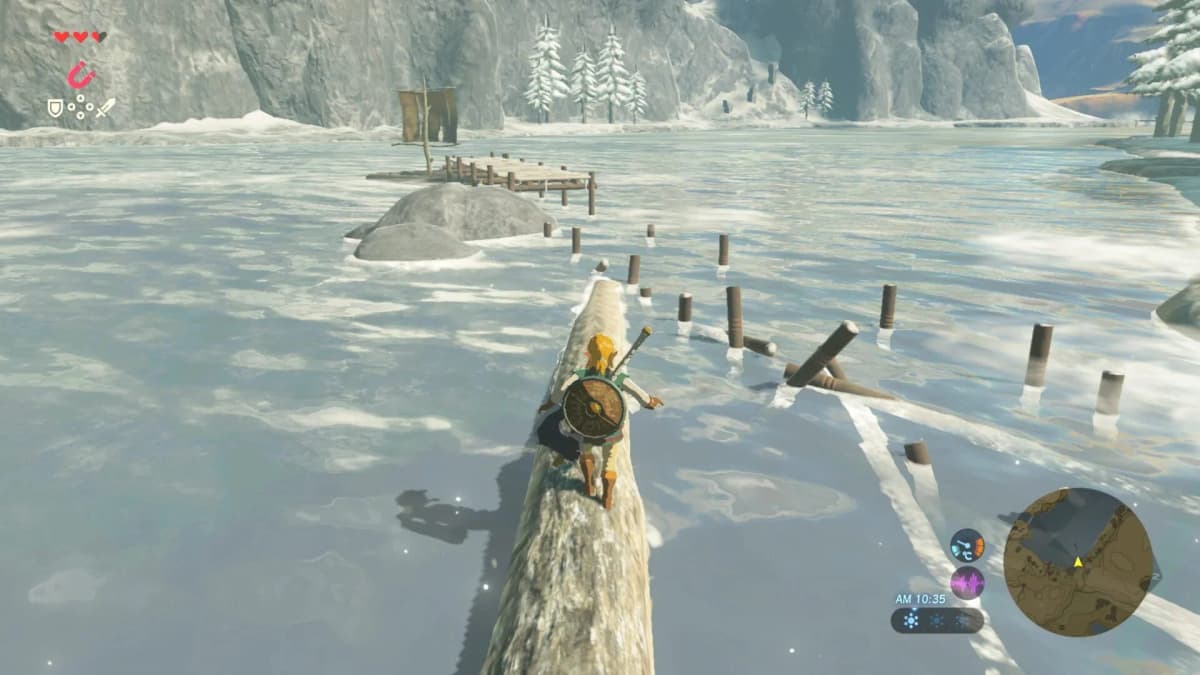
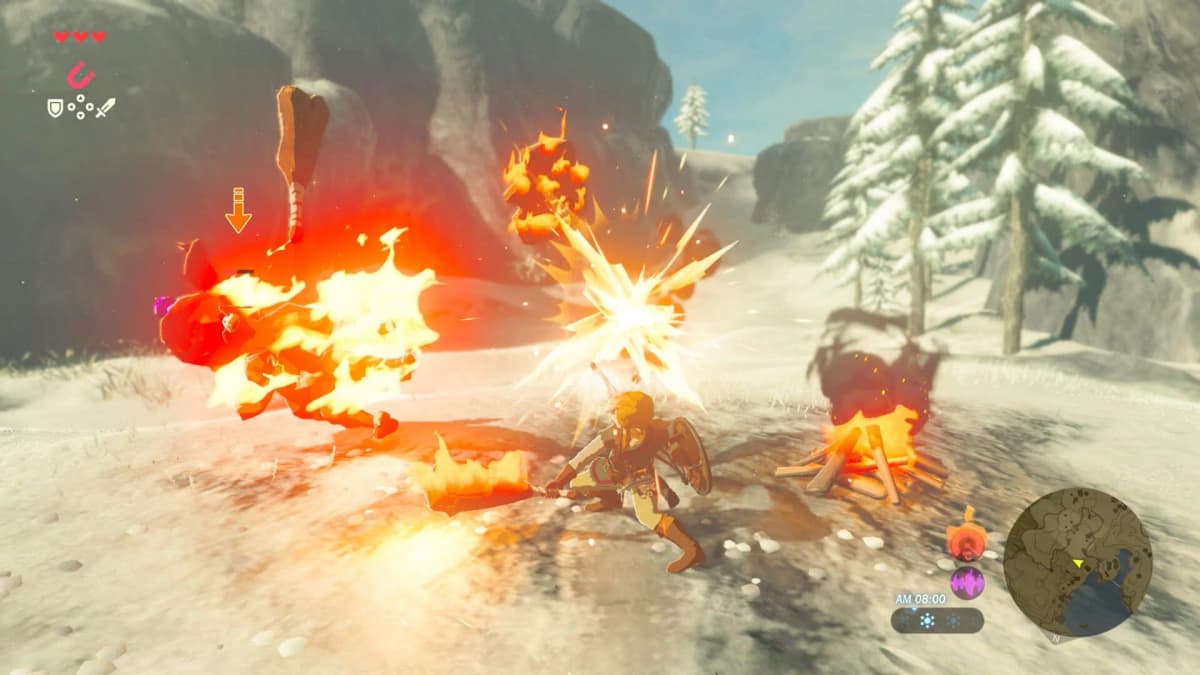
When video game references appear in unexpected places, fans cheer. But when an award-winning author unintentionally copies entire lore entries from The Legend of Zelda: Breath of the Wild, it becomes news. John Boyne’s new novel A Traveler at the Gates of Wisdom includes a crafting recipe listing “Lizalfos tails” and “Hylians shrooms,” verbatim from Nintendo’s open-world epic.
The Incident Explained
- Copy vs. Homage: Instead of a clever Easter egg, the passage reads as a straight lift of in-game text.
- Fan-Favorite Details: Mentioning “Lizalfos,” “Moblin horns” and “Hylian mushrooms” is too exact to be accidental.
- Publishing Oversight: Editors and fact-checkers missed these unmistakable gaming terms.
Cultural and Legal Implications
Referencing gaming culture is now standard practice—but wholesale copying hikes the stakes. Intellectual property experts note that unlicensed use of trademarked terms can lead to legal challenges, while publishers risk reputational damage. For authors outside the community, this misstep highlights the need for meticulous research and respect for interactive storytelling.

What This Means for Gaming’s Status
Gaming has become mainstream to the point where “Lizalfos” sounds plausible in fictional history. Yet this incident reminds us that not everyone treats these worlds with appropriate care. Are novelists acknowledging games as a legitimate art form, or merely mining them for exotic flavor?
Reactions from the Community
On social media, gamers reacted with a mix of amusement and frustration. Memes depicting confused editors and tongue-in-cheek fan theories about Boyne’s secret Zelda obsession flooded Twitter. Yet beneath the jokes lies a genuine concern: if this slipped through, what other gaming references are going unnoticed in mainstream media?
Conclusion
Boyne’s unintended copy-paste of Zelda lore is both a testament to gaming’s cultural reach and a cautionary tale about creative due diligence. As video games continue to influence literature, film and beyond, creators must honor their sources—otherwise, they risk turning fan devotion into a legal headache and a PR headache alike.
FinalBoss // Gear
Level up your setup
01Best-selling Switch 2 gameson Amazon→02Switch 2 accessorieson Amazon→038BitDo controllerson Amazon→04Discounted game keyson Kinguin→Affiliate links · As an Amazon Associate, FinalBoss earns from qualifying purchases.
Want to Level Up Your Gaming?
Get access to exclusive strategies, hidden tips, and pro-level insights that we don't share publicly.
Ultimate Gaming Strategy Guide + Weekly Pro Tips