
I’m excited Dreamcore’s Liminal Hotel finally fixes progression — but will it kill the tension?
Game intel
Dreamcore
Step into the surreal with Dreamcore, a body-cam styled psychological horror game that plunges you into the eerie beauty of "liminal spaces." Unravel the myste…
Why This Update Actually Matters
Liminal Hotel isn’t just more content for Dreamcore-it’s the kind of course-correct that can change how people feel about the whole game. The expansion reworks map design, tones down the progression-stalling puzzles, and adds new directional tools. In other words, it targets the exact pain point I heard from friends and saw across forums: getting lost for an hour, cracking a maze, and then getting lost again. If Dreamcore’s haunting liminal vibes hooked you but the friction pushed you away, this could be the turning point.
- Owners get Liminal Hotel free; new buyers pay a slightly bumped $14.99-still budget horror territory.
- Map-making overhaul and directional tools aim to reduce frustrating dead ends without flattening the experience.
- Puzzles are dialed back to keep momentum; the challenge now needs to come from atmosphere and smart exploration.
- A “definitive” take on Backrooms Level 188: an eternal hotel with elevators, time slips, and shifting aesthetics.
Breaking Down the Announcement
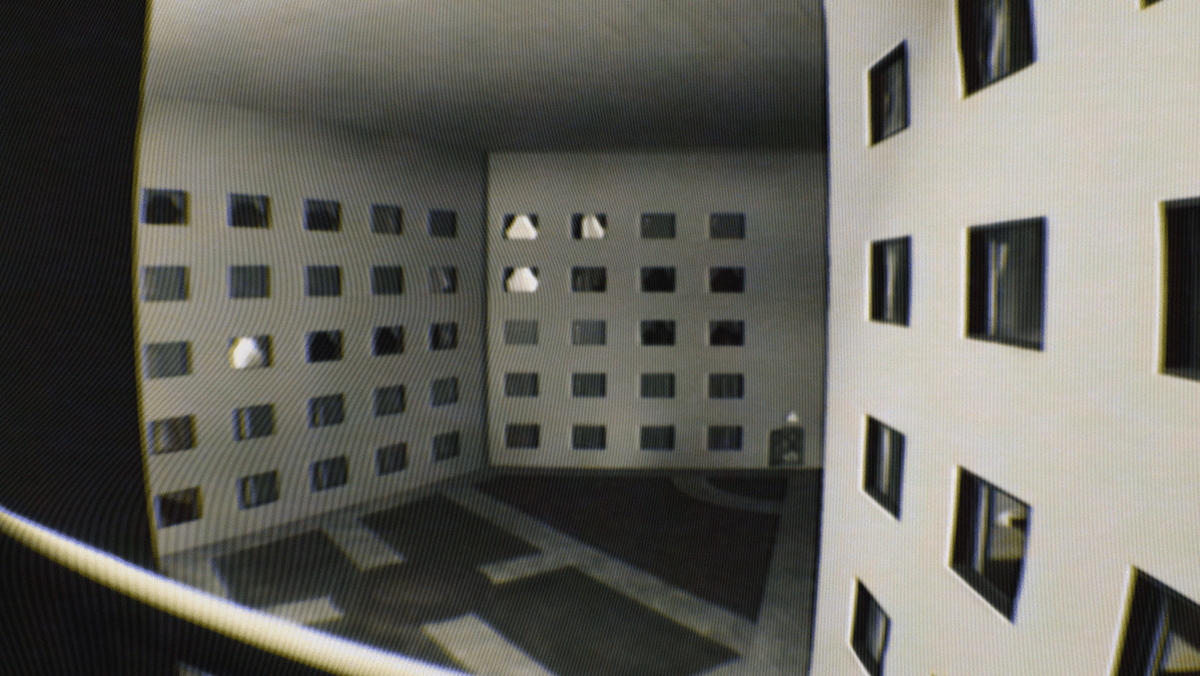
Montraluz and Tlön Industries say Liminal Hotel reimagines the Backrooms’ Level 188 as an endless, time-warped hotel. You ride elevators between floors as the building slides out of its own timeline-antique furniture here, defunct signage there, and that unsettling sense a concierge is about to greet you from a decade that never happened. It’s exactly the kind of liminal bait Dreamcore is good at: uncanny spaces rendered like hazy VHS memories through Unreal Engine 5 with a gritty body-cam veneer.
The real headline isn’t just the setting, though. The team calls this a “before and after” for how maps are built, plus a direct response to player feedback: fewer progression-choking puzzles and clearer navigation. Dreamcore’s best moments always came from finding weird corners and piecing together where you were without breaking the spell. When you had to consult a wiki to get past a logic lock, the horror bled out. A redesign that keeps the mood but removes the busywork is exactly the right move.
Why This Matters Now
Liminal horror is having a moment. From indie walking nightmares like Anemoiapolis to the body-cam craze sparked by projects like Unrecord and Paranormal Tales, there’s a wide audience for spaces that feel familiar and wrong. Dreamcore already nailed the vibe—critics called out how strongly it channels that creeping nostalgia—but its labyrinths occasionally crossed into tedium. Liminal Hotel tries to own the Level 188 conversation while addressing the friction that made some players bounce off.
Calling this the “definitive” Level 188 sets a bar, though. There are a lot of Backrooms riffs out there. To stand out, Dreamcore needs more than fresh wallpaper; it needs mechanical identity. Elevators that re-seed floors, time-warp anomalies that change routes, diegetic signage that lies—these are the little systems that turn a meme into an actual game space. The studio hints at “new directions” in map-making; if that means more readable landmarks and interactable oddities, I’m in.
The Gamer’s Perspective: Balance or Buzzkill?
Here’s my only worry: navigation tools and gentler puzzles can declaw horror if they’re mandatory. Mystery is a resource in these spaces. The ideal solution is optional guidance—compass pings you can toggle, breadcrumb markers you place yourself, or hints that surface only after you loop a floor three times. If Liminal Hotel lands that balance, it’ll keep the dread of being lost without the rage of being stuck. If it goes too far, the hotel becomes a guided tour with spooky wallpaper.

And because Dreamcore leans into body-cam and VHS grime, accessibility matters. Give players an FOV slider, head-bob toggle, film grain/chromatic aberration sliders, and motion blur options. Horror thrives when you’re leaning in, not when you’re fighting nausea. If this “definitive” chapter ships with sensible defaults and robust toggles, it’ll welcome a lot of players who bounced off the presentation before.
Value Check and Platform Notes
The price bump to $14.99 for newcomers is fair if the expansion genuinely reshapes the game. Existing owners getting it free is the right move and sends a clear message: this is not a nickel-and-dime add-on, it’s a structural upgrade. If you skipped Dreamcore because of the “maze with homework” reputation, this is the moment to take another look. If you loved the original’s cruel ambiguity, double-check whether those new tools are optional. Dreamcore is available on PC, PlayStation, and Xbox, so it’s easy to test the waters wherever you play.

Want to Level Up Your Gaming?
Get access to exclusive strategies, hidden tips, and pro-level insights that we don't share publicly.
Ultimate Gaming Strategy Guide + Weekly Pro Tips
What to Watch Next
Two things will decide if Liminal Hotel sticks: how readable the new maps feel without breaking immersion, and whether the hotel’s time-slip gimmick drives real variation instead of just re-skinning halls. Also, I’m curious how long this chapter runs and how it stitches into the broader dream logic of the existing worlds. Tlön’s history with systems-first design (Per Aspera’s meticulous strategy bones) gives me hope that the “new directions” aren’t just set dressing.
TL;DR
Liminal Hotel aims squarely at Dreamcore’s biggest flaw and offers a free fix for owners. If the optional guidance and toned-down puzzles preserve the dread while ditching the drudgery, this could be the chapter that turns a cult favorite into a wider recommendation. I’m cautiously optimistic—and ready to press that elevator button.