

I’m hyped for this $14.99 physics puzzler with a cricket bat—Puzzle Parasite hits Dec 3, but
Game intel
Puzzle Parasite
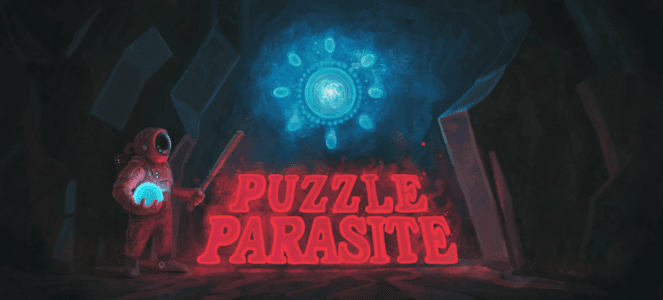
Puzzle Parasite is a sci-fi puzzle adventure where you wield telekinetic powers and a cricket bat. You send energy cores flying, power alien tech, and avoid de…
This physics puzzler actually changes something for players
Physics-first puzzle games live or die on how they feel in your hands. That’s why Puzzle Parasite grabbed me: a $14.99 first-person sci-fi puzzler (15% off at launch) that pairs telekinesis with a literal cricket bat, launches on Steam December 3, 2025, and ships with two handcrafted campaigns-one for solo, one built expressly for two-player co-op. No Early Access, no live-service fluff, just puzzles. For a genre that often gets padded with “sandbox” filler or tacked-on multiplayer, that’s a refreshing statement of intent.
Key takeaways
- Launches Dec 3, 2025 on Steam at $14.99, with a 15% launch discount (expect roughly $12.74) and no Early Access phase.
- Two distinct campaigns: a full single-player run and a separate two-player co-op line designed from the ground up for collaboration.
- Core hook is physics-driven problem solving via telekinesis and a cricket bat-think precision billiards with alien energy cores.
- Minimalist art direction from a veteran team with credits at Playdead, Ubisoft, Square Enix, IO Interactive, MachineGames, and Riot.
- The catch: physics puzzlers hinge on “feel.” If hits, throws, and collisions aren’t rock solid, clever design can turn into frustration fast.
Breaking down the announcement (minus the fluff)
Developer Wrenfall is a Swedish indie outfit made up of people who’ve shipped atmospheric precision (Playdead), systemic stealth and level craft (IO Interactive), and high-polish production (Ubisoft/Square Enix/MachineGames/Riot). That mix makes sense for a first-person puzzler. Puzzle Parasite goes straight to 1.0 on December 3. There’s a free demo already out in the wild, and the team isn’t using Early Access as a crutch. At $14.99 with a launch discount, it’s priced like a focused experience rather than a 30-hour sprawl-which is exactly where this genre tends to shine.
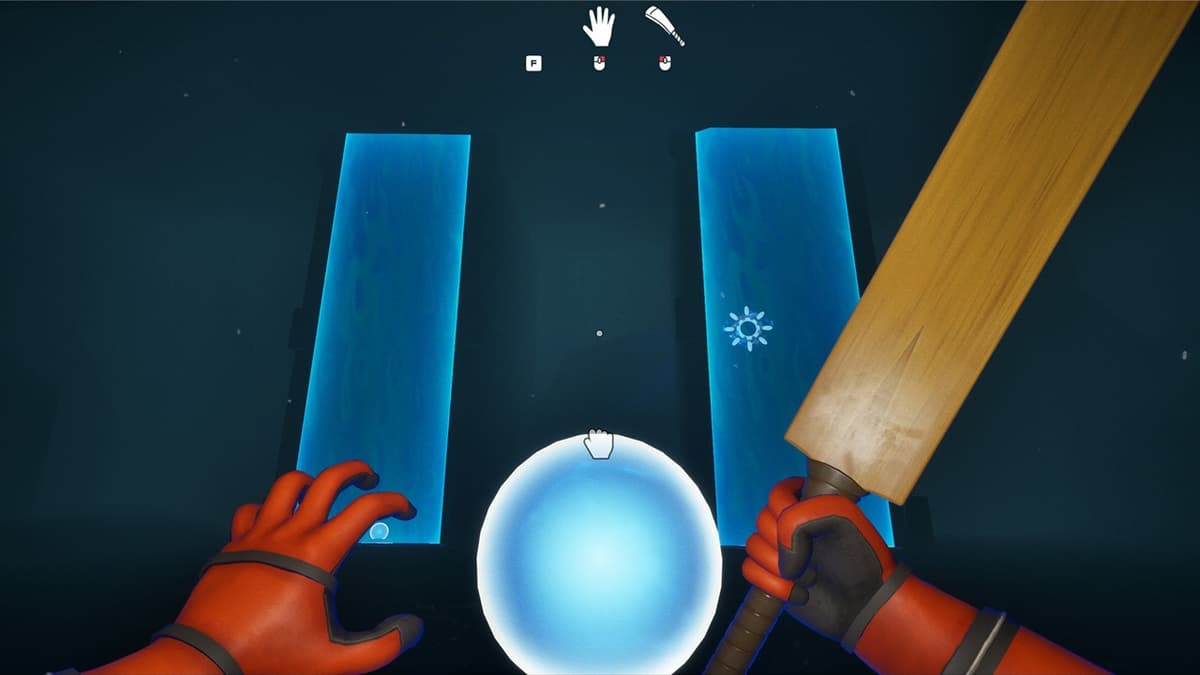
The pitch is clean: use telekinesis to lift, place, and arc energy cores; use the bat to angle shots, bank ricochets, and trigger alien tech. Expect light bridges, lasers, power relays, and environmental contraptions, all wrapped in sparse, readable visuals. The devs are nodding to Portal, The Talos Principle, and Antichamber—not a checklist, but a mood: clarity, ingenuity, and that “aha” dopamine hit when a plan finally connects.
The real story: feel, readability, and that cricket bat
This caught my attention because the bat gives a tactile layer most “gun” or “grab” puzzlers lack. Portal makes you think in portals; The Entropy Centre made you think in time. A bat forces you to think in angles, momentum, and timing. That’s fertile ground for emergent solutions—threading an energy core through a laser grid, banking off a column to light two nodes in one smack, or handing off objects mid-flight in co-op.
But here’s the big risk: physics puzzles turn sour the second object weight feels inconsistent or collisions behave unpredictably. If the bat has no readable wind-up, if telekinetic arcs don’t match the reticle, or if bounce physics vary without clear rules, players stop experimenting and start brute-forcing. The best puzzle games communicate their laws instantly, then build complexity without breaking those laws. With Wrenfall’s pedigree, I’m hopeful they get that, but it’s the number one thing I’ll judge at launch.
Co-op done right (hopefully)
A dedicated two-player campaign is a bigger deal than it sounds. Portal 2’s co-op worked because it wasn’t just “the same levels but with two portals.” It demanded synchronized logic and shared timing. Puzzle Parasite promising bespoke co-op puzzles suggests divergent roles—one player shaping trajectories with telekinesis while the other executes precision hits, or vice versa. That’s the kind of design that can create “we did it!” moments you’ll still be talking about next week.
Potential pain points: checkpointing (nothing kills co-op momentum like redoing a five-minute setup); communication tools (pings, countdown emotes, line-drawing would be huge); and difficulty ramps that don’t punish the slower problem-solver in the pair. If Wrenfall nails those, this could be the sleeper co-op puzzle fix for the holiday lull.
Want to Level Up Your Gaming?
Get access to exclusive strategies, hidden tips, and pro-level insights that we don't share publicly.
Ultimate Gaming Strategy Guide + Weekly Pro Tips
Why this matters now
We’ve been in a quiet renaissance for clever first-person puzzlers—Viewfinder, The Entropy Centre, and The Talos Principle 2 all proved there’s hunger for brainy, tightly scoped experiences with a strong hook. Puzzle Parasite’s angle-and-impact toolkit is different enough to avoid the “Portal clone” trap, and the minimalist aesthetic is a smart play for readability (and, hopefully, performance on a wide range of PCs). Landing on December 3 gives it a lane before the end-of-year pileup hits, and the $15 tag lowers the risk for anyone just puzzle-curious.
What I’m watching at launch
- Feel and consistency: bat wind-up, hitboxes, bounce predictability, and telekinesis arc accuracy.
- Checkpointing and reset speed: instant retries are non-negotiable in physics puzzles.
- Co-op quality-of-life: pinging, visual callouts, separate roles that feel equally meaningful.
- Accessibility: FOV slider, motion sensitivity options, colorblind-friendly energy cues, and robust subtitle/UI sizing.
- Scope vs value: at $14.99 (about $12.74 at launch), a tight 4-8 hour solo run plus a proper co-op campaign would be a sweet spot.
- Performance on mid-range rigs: minimalist doesn’t mean trivial—physics can tank frames if not optimized.
TL;DR
Puzzle Parasite isn’t selling bloat; it’s selling ideas. If Wrenfall’s physics feel great and the co-op puzzles are truly bespoke, this could be 2025’s surprise puzzle standout. If the bat and telekinesis lack consistency, though, expect more cursing than cheering. We’ll find out on December 3.