
I binged Dispatch’s Season 1 finale and I’m still reeling
Game intel
Dispatch
Key Takeaways
- Dispatch turns mundane dispatch-desk calls into edge-of-your-seat drama.
- The cast chemistry is a narrative feature, not just marketing fluff.
- Weekly episodes fostered real-time community hype without FOMO.
- Season 2 must keep the game’s heart—no live-service traps or cameo overload.
The Night I Realized Dispatch Had Me by the Throat
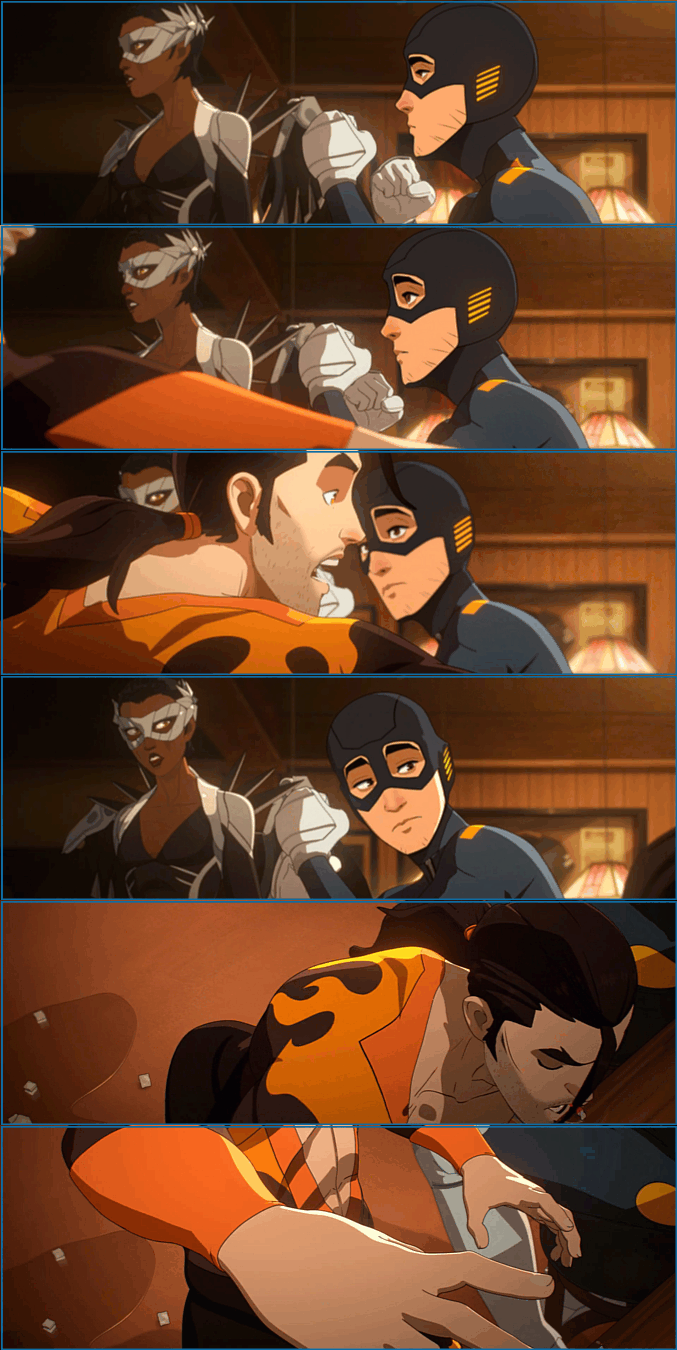
I was halfway through rewatching Episode 6 when I did something I haven’t done in years: I paused the game, walked into my kitchen, and just stood there, arms folded, staring at the wall like I’d been told a family secret. Dispatch had pulled the rug out so effectively that I needed a breather. And look, I’ve been around. I survived The Walking Dead Season One’s gut punch, I lived through The Wolf Among Us cliffhangers, and I still replay Shenmue because I’m a sicko for slow, deliberate drama. But AdHoc Studios’ Dispatch did something different—it made the mundane feel electric. It made the dispatch desk feel like home. Now that the final two episodes drop tonight, I’m honestly not ready to say goodbye to Robert Robertson III or the Z-Team. So, here’s me being quiet loud: I want Season 2 desperately—just don’t screw up the one thing that makes this game special.
Dispatch Nails Telltale’s Spirit Without Copying the Homework
Here’s where I show my cards. I adore Telltale Games’ golden age. Those late nights of nail-biting dialogue wheels and silent, judgmental stares taught me that the pause between words can be the loudest sound in gaming. But after Telltale imploded, a lot of imitators mistook formula for soul. They slapped timers on dialogue choices and called it a day.
Dispatch doesn’t do that. It respects the bones of choice-driven storytelling while building a body that actually moves. The writing feels like it’s happening in a living, breathing workplace. People talk over each other; they tease, they screw up, and they take real risks. And crucially, I felt the weight of decisions—not just in neon “He will remember that” pop-ups, but in subtle callbacks that made me second-guess my entire approach to being a reliable, sometimes messy, dispatcher.
I’ve made choices I’m still thinking about. A small lie to cover a teammate. A hail-Mary call I absolutely should not have approved. These moments ripple. You know how some games swear your decisions matter, then you realize they really don’t? Dispatch calls that bluff. Not always with fireworks—sometimes with a quiet line three episodes later that lands like a body blow.
Star Power That Serves the Story, Not the Trailer
When I heard Dispatch had the Critical Role crew, Aaron Paul, Seán “Jacksepticeye” McLoughlin, and Charlie “MoistCr1TiKaL” White Jr., I did the same skeptical squint you probably did. “Oh cool, cast the Internet. Is the script an afterthought?” Big voices can mask thin writing like sugar on stale bread.
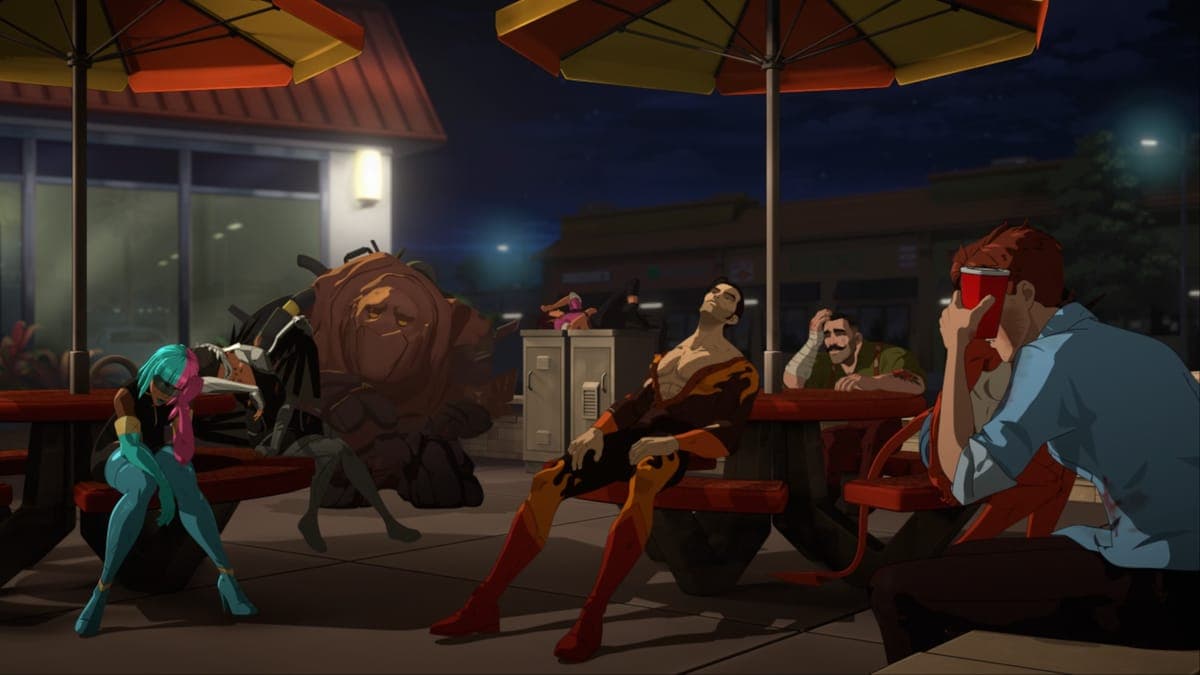
This isn’t that. The performances elevate the script; they don’t bulldoze it. The energy is chaotic in the best way—one minute the Z-Team is cutting each other to ribbons with jokes that feel dangerously unscripted, the next you’re slammed by a dramatic beat that actually lands. Aaron Paul isn’t just phoning in prestige; he grounds scenes that could have flown off the rails. Moist and Jack bring that awkward, earnest comedic glue that makes the team’s bickering feel lived-in rather than performative. And the Critical Role veterans? They treat ensemble acting like a martial art. Their timing is deadly.
I cannot overstate how easy it would have been for this to feel like cameo soup. It doesn’t. The cast chemistry is a narrative feature, not marketing fluff.
The Dispatch Desk Is the Secret Sauce
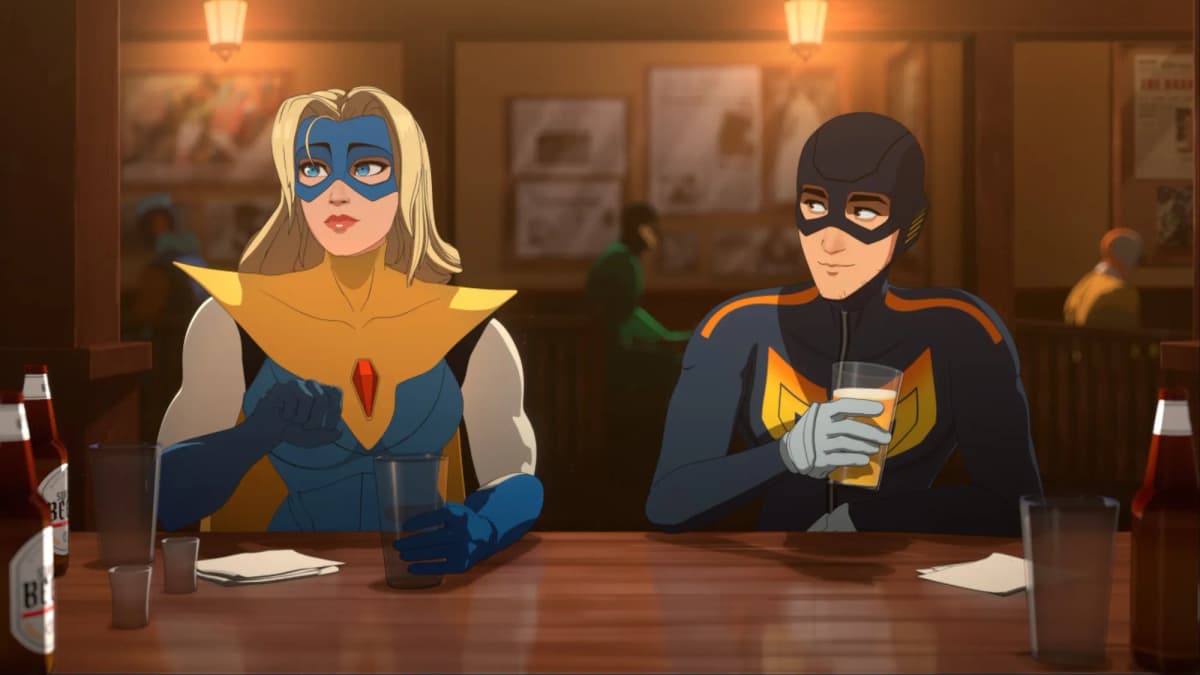
I’ve spent embarrassing hours in fighting-game training modes, so I’m a freak about input feel and tempo. That’s why Dispatch’s loop hits so hard. On paper, the mechanics are simple: read the call, route the case, hack a system, decide. In practice, it’s a dance. The rhythm of juggling incoming reports, cross-referencing logs, nudging systems, and making snap moral judgments creates tension most shooters can’t touch. It’s the same thrill I get from landing a perfect parry—under pressure, your instincts take over, and you own the outcome.
Sure, some people call the minigames “basic,” and if you isolate them, they’re not as deep as Anno 1800’s supply chains. But Dispatch embeds those interactions inside conversations that matter. When you’re scanning, spoofing, or digging through a record while someone’s ranting in your ear, that “click-and-choose” suddenly feels like live ammunition. And when your hack buys you thirty seconds—or blows up in your face? That’s not just a fail state; it’s a character beat.
That’s good design: mechanics as punctuation, not paragraph. The game never forgets it’s a story first, but it refuses to put the player on autopilot. I’m engaged because I’m responsible.
Let’s Talk Romance: Team Blazer vs. Team Visi (and My Malevola Problem)
Confession time: I started off fully committed to Blazer—cool head, messy heart, sign me up. Then I watched a friend’s playthrough and, like a traitor, defected to Team Visi because the banter just sung in a way that made my stupid gamer heart do somersaults. The chemistry isn’t forced, and the flirty beats don’t feel pasted in by a focus group. They feel like coworkers skirting the edge of a line they don’t always agree exists.
And yes, I’m salty I can’t romance Malevola. I know what I am. Don’t @ me. The point is, the relationship arcs don’t hijack the tone; they enrich it. When the story slips the knife between your ribs after a cliffhanger, it’s brutal because you chose to care.
Weekly releases have been a blessing. Appointment gaming turned my group chat into a degenerates’ book club. We argued over ship choices, replayed scenes to pick apart dialogue beats, and made stupid bets about who’d do something catastrophically reckless next. The waiting made the writing better. I’ll die on that hill.
Numbers Don’t Lie: 131,074 Concurrents and Overwhelmingly Positive Reviews
If you somehow missed it, Dispatch exploded on Steam. It hit an all-time peak of 131,074 concurrent players, and it’s sitting at an “Overwhelmingly Positive” review score. That’s not a fluke, and it’s not just the streams. It’s a signal. For years, executives have hesitated to greenlight narrative games unless they’re married to a battle pass or a crafting treadmill. Meanwhile, players are starved for well-paced, sharply written, choice-driven experiences that respect their time and intelligence. Dispatch served that meal, hot.
I’ve watched studios panic and chase “engagement” like it’s a deity demanding sacrifices in daily quests. Guess what? Engagement is just what happens when your game is good. People carve out time for something that makes them feel something. Dispatch proves you can release weekly, keep momentum, and still stick the craft landing.
FinalBoss // Gear
Level up your setup
01Top-rated gaming headsetson Amazon→02High-refresh gaming monitorson Amazon→03Gaming chairson Amazon→04Discounted game keyson Kinguin→Affiliate links · As an Amazon Associate, FinalBoss earns from qualifying purchases.
But Let’s Be Honest: It’s Not Perfect (And That’s Fine)
I’m not here to pretend Dispatch is flawless. A few hacking segments repeat if you binge, and occasionally the UI feels like it skipped a tiny round of polish. That’s the cost of tension on a tight loop—you start to notice seams if you marathon. There were also moments where comedy threatened to deflate a serious scene one beat too early. Not derail it, but you can feel the show balancing on that thin line between levity and undercutting stakes.
But you know what? I’ll take a game that swings hard and occasionally overreaches over something so “polished” it’s sterile. Dispatch is messy in the ways that make characters feel human. I’d rather feel a raw edge than a rounded-off corporate bevel any day.
Want to Level Up Your Gaming?
Get access to exclusive strategies, hidden tips, and pro-level insights that we don't share publicly.
Ultimate Gaming Strategy Guide + Weekly Pro Tips
Tonight’s Double Feature: Episodes 7 & 8 Unpacked
With Season 1 wrapping in a two-episode finale, AdHoc Studios goes all-in on emotional stakes and setup for what’s next. Episode 7 kicks off with a tense rescue mission gone sideways—Robert’s quick lie about backup ends up costing precious seconds. There’s a blistering VO exchange that reminded me of those late-night Telltale moments where silence speaks louder than bullets. By the time the credits rolled, I needed another kitchen break.
Episode 8 ties up several threads—Z-Team’s trust fractures over hidden agendas, and my choices around Blazer vs. Visi reached a gut-punch payoff I didn’t see coming. A final call from a mysterious outside agency sets a cliffhanger hotter than any twin-stick shooter boss fight. The score swells, the camera holds on Robert’s expression, and then—fade to black. You’re left dangling, heart hammering, begging for redemption or ruin in equal measure.
These last two episodes cement why fans are clamoring for more. The narrative momentum accelerates while never forgetting the small beats—the half-smiles, the awkward silences, the guilt-soaked apologies. It’s the perfect blend of catharsis and anticipation.
Season 2 Is on the Table—Don’t Misread the Assignment
The good news? The people making Dispatch are clearly feeling the heat—in the best way. AdHoc co-founder Nick Herman literally said, “We’re going to have to at least think about Season 2 now. That was a question mark three weeks ago; it’s a very cool problem to have.” That’s not a shrug; that’s a studio realizing they’ve tapped a vein. Meanwhile, Aaron Paul flat-out admitted, “I hope that you and I get to do multiple seasons of this game,” and MoistCr1TiKaL was immediately on board. You can feel the enthusiasm crackling from both sides of the mic.
Here’s where I get loud: Don’t let success mutate Dispatch’s DNA. Bigger casts, louder set pieces, more cameos—it’s all noise if the dispatch desk stops being the heart. The reason this game works is because the phone calls matter, the work matters, and the relationships breathe inside that pressure cooker. If Season 2 wants to shake things up, fine—new city, new team, new desk—but treat it like an anthology. Keep the ethos intact.
My Line in the Sand: What Will Make Me Walk Away
I’m going to be crystal clear, because I’ve seen studios get high on concurrency charts and tumble into decision hell. If Season 2 leans into these industry traps, I’m out. No second chances. Here’s my non-negotiable list:
- Don’t turn Dispatch into a live-service grift. No “Season Pass” gating choices behind premium “routes.”
- Don’t make cameo bait the point. Celebrity voices only if they serve the character.
- Don’t sand down moral agency. Messy consequences are the soul.
- Don’t outsource the heart to AI. Real actors = real stakes.
- Don’t fix pacing with constant explosions. Let quiet moments breathe.
Cross any of those lines, and you’ve misunderstood why we fell in love with this thing. I’m not looking for content; I’m looking for craft. There’s a difference, and Dispatch knows it—so far.
What Dispatch Means for the Future of Narrative Games
Think about what we were told: players only want open-world grind, survival crafting, or endless loops. Then along comes Dispatch—episodic, focused, character-driven—and it shatters assumptions with a six-figure concurrent peak and a wall of positive reviews.
Here’s my take as someone who still replays Shenmue and spasms over fighting-game frame traps: players love mastery, but mastery isn’t just mechanical. It’s understanding people. It’s reading subtext in a teammate’s frustration, choosing when to push and when to listen. Dispatch gives you that mastery. You become fluent in tensions and tells. That’s addicting.
It also nails appointment culture without punishing you for having a life. Weekly drops didn’t demand my soul; they rewarded my attention. The fandom didn’t turn into a spoiler-proof bunker; it became a conversation, a ritual. Not every game needs HBO Sunday-night theatre, but the ones that do stick in the collective brain longer than any 100-hour crafting sim.
If I Were in the Room for Season 2
I’m not a developer, but if I had a seat at the table, here’s my wishlist:
- Keep the dispatch simulator core—don’t overcomplicate the loop.
- Introduce one new mechanic per episode, so each week feels fresh.
- Rotate a mystery caller archetype—new stakes, new tones.
- Lean into regional flair if you change locales—accented banter, local slang.
- Spotlight guest dispatchers with real-world first responders for authenticity.
That’s it. Keep the skeleton, throw in a new twist, and let the cast breathe. Season 2 should feel inevitable, not just bigger.
Conclusion
Dispatch Season 1 proved that choice-driven storytelling still has fire in its veins when handled with care. Its blend of heart-pounding mechanics and genuine characters set a new bar for narrative games. As the credits roll on Episode 8, I’m left equal parts satisfied and starving for more. If Season 2 delivers stakes, soul, and the same dispatch desk magic, I’ll be first in line. Otherwise, I’ll keep replaying the moments that reminded me why I fell in love with this weird, electric ride.