

Can Your PC Tackle Indiana Jones’ Harsh System Demands?
Game intel
Indiana Jones and the Great Circle
The Collector’s Edition features an exclusive set of items inspired by Indy’s office at Marshall College. Map your travels with The Great Circle 11” Globe, inc…
When Hardware Requirements Hit Like a Whip Crack
I’ll be honest: seeing the PC specs for Indiana Jones and the Great Circle felt like a cinematic plot twist. My jaw dropped at how steep the bar is, even for the lowest settings. This isn’t a flashy toggle you can skip—it’s mandatory ray tracing from the moment you hit “Play.” If your graphics card can’t handle it, the game won’t even start. For many gamers with rigs older than a few years, that’s a hard pill to swallow.
System Requirements at a Glance
- Minimum (1080p, Low @60 FPS): Intel Core i7-10700K or AMD Ryzen 5 3600, 16GB RAM, NVIDIA RTX 2060 SUPER / AMD RX 6600 / Intel Arc A580, 120GB SSD, Windows 10. Ray tracing support required.
- Recommended (1080p, Medium @60+ FPS): RTX 3060/4060-class GPU with solid ray-tracing performance, 16–32GB RAM, SSD.
- Ultra Settings (1440p–4K high fidelity): Top-end GPUs like RTX 3080 Ti, 4080, or 4090, 32GB RAM, fast NVMe SSD.
Storage and Installation Woes
Want to dive into Indy’s latest globe-trotting adventure? You’ll need at least 120GB of free space on an SSD—no HDDs allowed. That’s a mandate for every setting, from lowest-low to ultra-ultra. If your drive is cluttered with older games or system backups, make room now or face a frustrating install fail. And yes, that SSD should preferably be NVMe to avoid long load screens between temple runs.
Why So Much Power Just to Chase Artifacts?
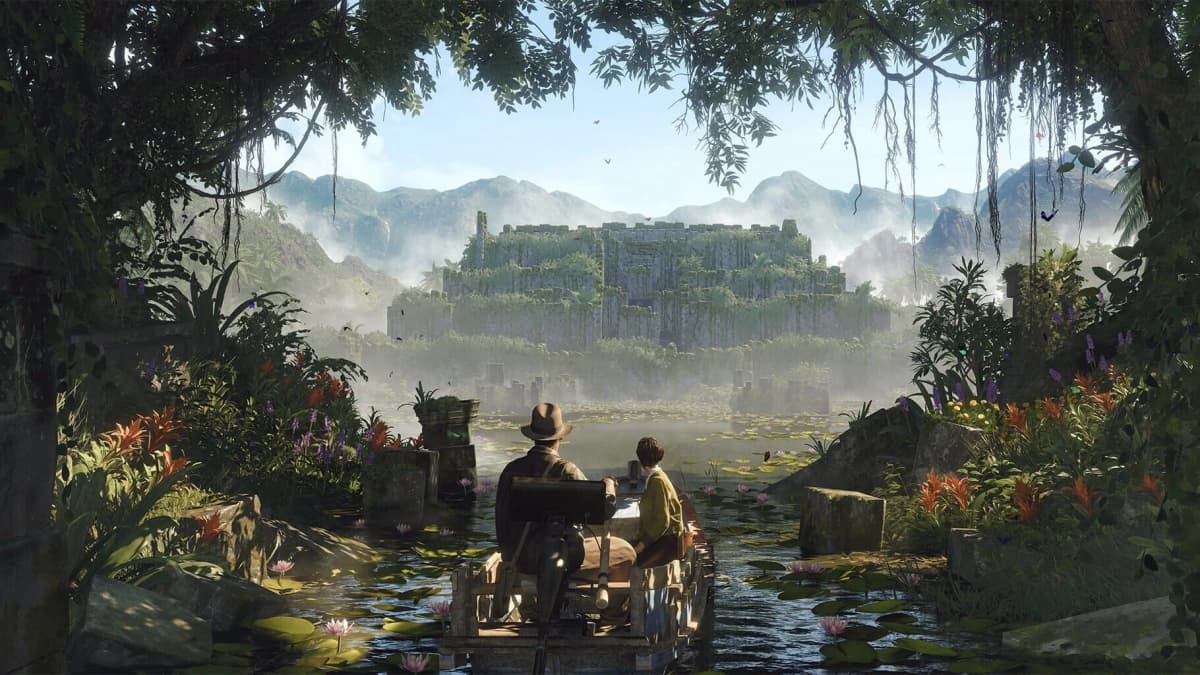
MachineGames and Bethesda are making a bold statement: real-time ray tracing is no longer optional, it’s the visual backbone of next-gen PC titles. From dynamic reflections shimmering in temple pools to lifelike shadows dancing across ancient stone, they’ve woven ray tracing into every scene. If you’ve played Wolfenstein II or their other blockbusters, you know these developers love pushing hardware limits—and this time they’ve raised the stakes by baking ray tracing into the baseline.
More Than a Casual Download
Compare this to other recent blockbusters. Titles like Star Wars Jedi: Survivor or the Resident Evil remakes offered graceful degradation: play on older cards at reduced quality or skip ray tracing entirely. Here, the minimum spec starts where those recommended specs ended. Even high-end gaming laptops from a couple of years ago might choke unless they pack an RTX-series GPU.
Breaking Down the Real-World Impact
So, what happens if you boot up with an RTX 3060 or 4060? Expect decent performance at 1080p on low settings—just enough to appreciate the new Indy adventure but not much headroom for fancy effects. Dial up ray tracing or bump to 1440p, and you’ll need at least an RTX 3080 Ti or 4080 to maintain smooth frame rates. Craving ultra settings or 4K? Only a 4090-class card will keep those relic hunts butter-smooth.
RAM requirements have crept up, too. Sixteen gigabytes used to be more than enough; now 32GB is the sweet spot for top-tier presets. Throw in the mandatory SSD requirement, and you’re staring at a serious system investment, not just a game download.
What This Means for the PC Gaming Landscape
Part of me cheers at seeing developers harness the power of modern GPUs. We’re finally getting photorealistic lighting, dynamic reflections, and immersive visuals that ray tracing promised years ago. But there’s a flip side: a widening gap between enthusiasts who chase every graphical leap and the broader audience that can’t—or won’t—upgrade every two years.
Indiana Jones and the Great Circle might become a watershed moment. Will MachineGames optimize post-launch patches to accommodate older hardware, or is this the new normal—AAA titles reserved for top-tier rigs? Only time will tell.
Want to Level Up Your Gaming?
Get access to exclusive strategies, hidden tips, and pro-level insights that we don't share publicly.
Ultimate Gaming Strategy Guide + Weekly Pro Tips
Conclusion: Upgrade Required?
Indiana Jones and the Great Circle stands as both a technical marvel and a stark reminder: PC gaming’s next generation may demand more than many players can deliver. Mandatory ray tracing, massive RAM and storage needs, and the call for flagship GPUs make this adventure exclusive. Are you ready to invest in a hardware upgrade just to chase artifacts in stunning detail? If not, you might be watching Indy’s latest challenge from the sidelines.
TL;DR
Stunning but merciless. Mandatory ray tracing, 120GB SSD, up to 32GB RAM, and high-end GPUs are non-negotiable. Think your rig can survive Indy’s latest test? Upgrade or regret it later.