
Indiana Jones Dev: Game Pass Changed Their Opening, Not Their Story
Game intel
Indiana Jones and the Great Circle
The Collector’s Edition features an exclusive set of items inspired by Indy’s office at Marshall College. Map your travels with The Great Circle 11” Globe, inc…
Game Pass Pressure Meets a Story-First Studio
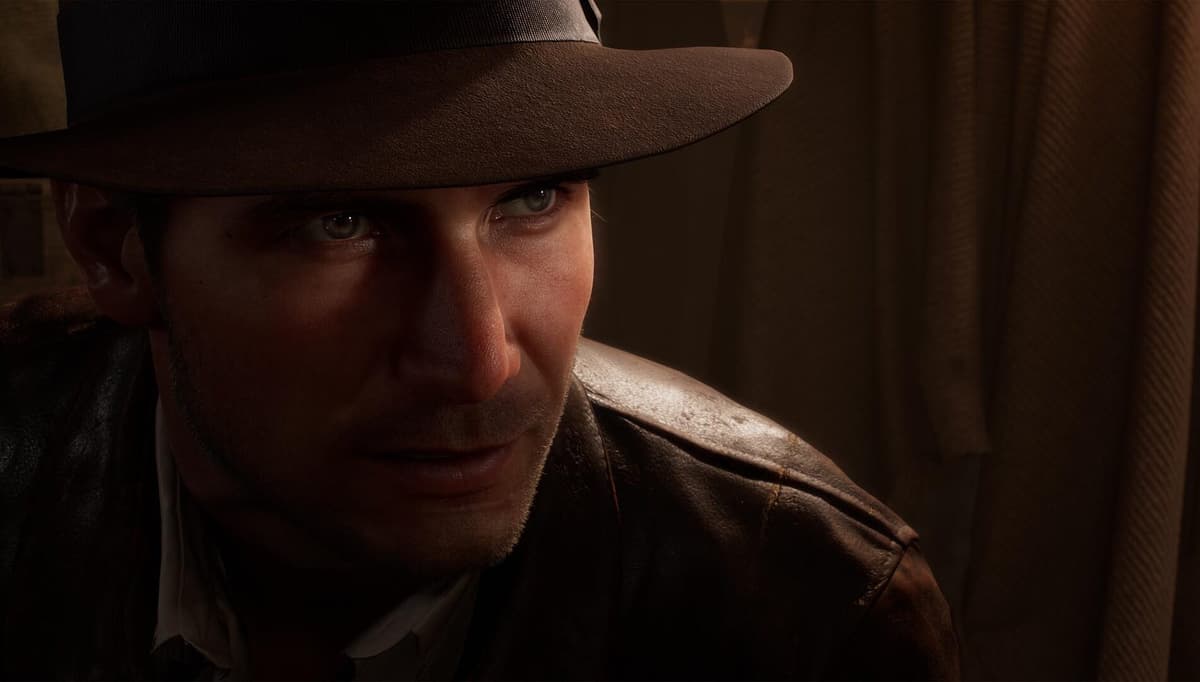
This caught my attention because it’s refreshingly honest. Jens Andersson, art director at MachineGames, says Indiana Jones and the Great Circle’s day-one launch on Xbox Game Pass influenced design decisions-especially the opening-while insisting the team wouldn’t bend the story out of shape to chase engagement metrics. For anyone who’s ever dabbled with a dozen Game Pass downloads in one evening (guilty), this rings true and speaks to a bigger tension in modern game design.
- MachineGames designed a stronger, faster hook to capture “five-minute testers.”
- They refused to sand down the narrative for retention metrics.
- Game Pass broadens the audience, so onboarding had to be clearer.
- The approach seems to have worked-critical reception landed in the low 80s.
Breaking Down the Comment: The Five-Minute Test
Speaking to The Game Business, Andersson didn’t dance around it: “We know players’ behavior. They jump into a game for five minutes and then they stop. You can make a number of decisions based on that behavior, but at the same time you shouldn’t make too many concessions. It has to be a good game for the player who goes all the way. That’s the most important thing for us, as the story-focused studio that we are.”
That’s the tightrope with subscription platforms. Discovery is frictionless, but attention is ruthless. You’re no longer fighting a $70 sunk-cost mentality—you’re battling the back button. The logical reaction is to front-load spectacle, simplify systems, and tune early pacing to stop the bleeding. But MachineGames, the team that made the Wolfenstein reboots feel like character-driven blockbusters, clearly didn’t want to carve away everything that gives a narrative FPS its teeth.
Why This Matters Now
When a game launches day one on Game Pass, you’re designing for two audiences at once: the grazers who sample for minutes, and the faithful who see credits. Andersson says Game Pass brings in “a lot of people who have never played this kind of game before,” especially with a legacy IP like Indiana Jones. Translation: the intro had to be “stronger and better than in other games.” That lines up with what I’ve felt across the service—openings are tighter, tooltips kinder, and first set pieces arrive sooner.
But here’s the rub: if you over-index on that five-minute heat check, you flatten the experience for everyone else. We’ve all played titles that feel like they’re engineered by an algorithm—constant pings, forced micro-objectives, no room to breathe. MachineGames’ stance suggests a healthier compromise: elevate the opening without compromising the story’s shape. The reception backs it up—The Great Circle reviewed well (hovering around 81 on Metacritic), with consistent praise for the tone and narrative that capture the spirit of the original films.
MachineGames’ Track Record Explains the Call
If you’ve played The New Order or The New Colossus, you know MachineGames can do a cold open. Those games balance pulp action with surprisingly heavy character beats and aren’t afraid to spend time setting stakes. Applying that ethos here makes sense: use the license to pull people in fast, then let the story breathe. The studio reportedly looked at development influences like Quake for process, but when it comes to player-facing design, their DNA is still story-first FPS.
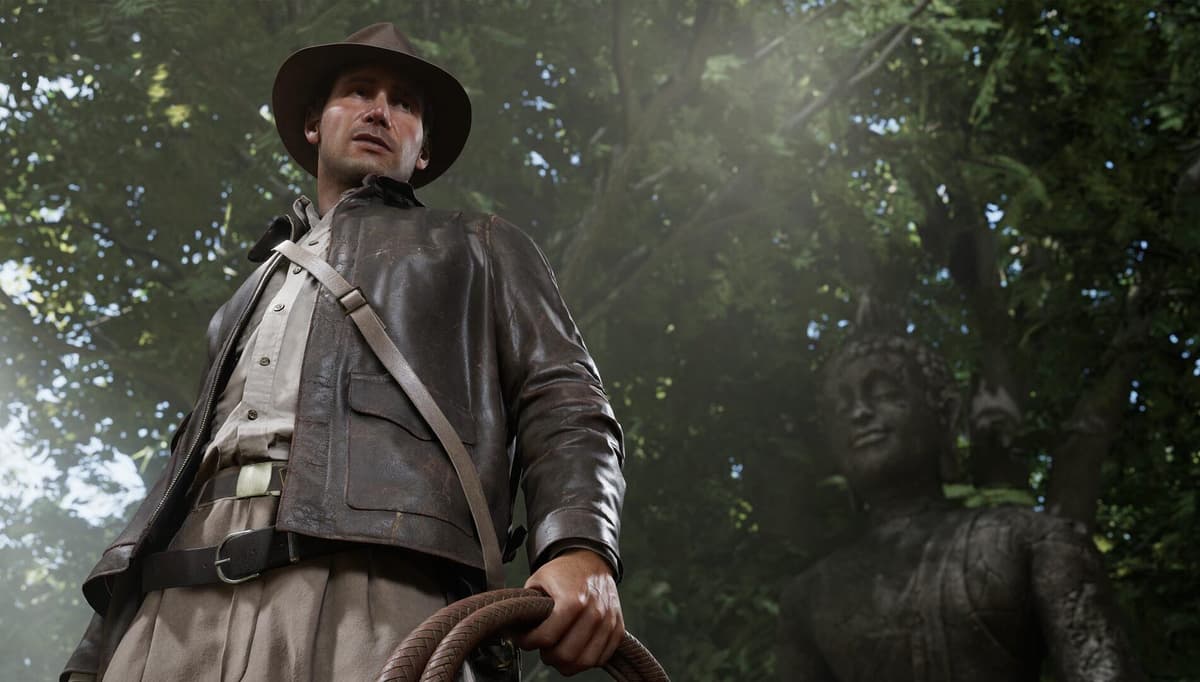
And yes, the platform context matters. As part of Bethesda under Xbox, day-one Game Pass is almost table stakes. It helps discovery, especially for a younger audience who knows Indy more from memes than 80s cinema. But discovery is step one. Retention and completion come from characters, pacing, and payoff—things MachineGames has historically prioritized.
What Gamers Need to Know
- Expect a snappier, more confident opening built to pass the “five-minute test.”
- The story still drives—this isn’t an algorithmically pinging collect-a-thon.
- Onboarding likely leans clearer for newcomers to narrative FPS design.
- If you’re sampling on Game Pass, give it more than a coffee break—the ramp is there to earn your time, not waste it.
It’s also interesting that the game later hit PS5 after the initial Xbox window. That’s the other side of modern publishing: broaden the audience while staying true to the game’s identity. Add a DLC drop on top—also reportedly well-received—and it sounds like MachineGames managed to build a fuller arc without letting the subscription model sand off the edges.
The Bigger Picture: Subscription Design Without Losing Your Soul
We’re in a Netflix-era mindset where “the pilot must slap.” Games don’t get a Season 2 unless Episode 1 hits retention targets. That’s not inherently bad; it forces cleaner onboarding and tighter early pacing. But when studios chase the metric at the expense of mood, nuance, and escalation, everyone loses. Andersson’s comment reads like a line in the sand: tune for the sampler, deliver for the finisher. If more narrative-focused studios take that approach, subscription platforms could actually elevate single-player design rather than homogenize it.
TL;DR
MachineGames acknowledges that day-one Game Pass shaped Indiana Jones and the Great Circle’s opening and onboarding, but they refused to gut the narrative for retention. Stronger hook, same storytelling spine—and the critical response suggests that balance paid off.