
Table of Contents (6)
Small devs are moving dates to avoid Slay the Spire 2 – and that matters more than you’d think
If your small roguelike deckbuilder was set to go live in early March, it suddenly became a bad week to launch. 58BLADES – the team behind the First‑Person deckbuilder Handmancers – quietly pulled their Early Access date after Mega Crit locked Slay the Spire 2 for March 5. On Steam the studio was blunt: “you’ll be playing it, we’ll be playing it, everyone will be playing it,” and they feared being “instantly buried under a legendary sequel that everyone will be playing.”
- Key takeaway: High‑profile sequels like Slay the Spire 2 reshape the Steam calendar, forcing smaller studios to shift launch windows to preserve visibility.
- What happened: Slay the Spire 2 is confirmed for Early Access on March 5, 2026 with four‑player co‑op and heavy player interest; an indie dev delayed their release the same week to avoid competing for attention.
- Why it matters: Discovery on Steam is finite. When a sequel with massive wishlists occupies the spotlight, similar‑genre indies risk being algorithmically sidelined — and some are choosing to move rather than fight.
Not drama — market reality
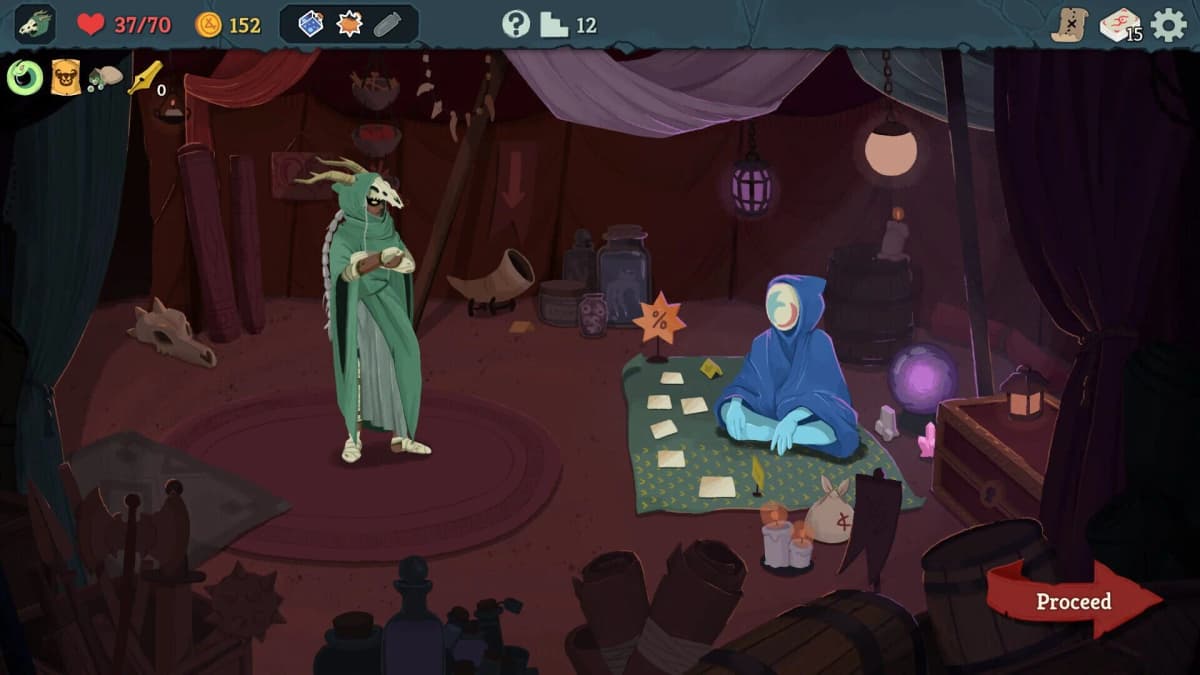
This isn’t sour grapes. It’s calculus. Mega Crit’s sequel arrives with serious momentum: Slay the Spire 2 will enter Early Access on March 5, 2026, backed by heavy wishlist numbers and a feature set that broadens the genre — new characters, alternate acts, and a four‑player co‑op mode that turns what was a solitary climb into a social grind. Eurogamer, Rock Paper Shotgun and Steam’s own news post all ran the date and the co‑op angle the same week, making March 5 a predictable focal point for fans of deckbuilders and roguelikes.
58BLADES’ move is transparently defensive: they delayed their Handmancers Early Access from March 9 and said they’ll announce a new date at Turn‑Based Fest later in March. They framed the change optimistically — extra polish, more balance, even a boss that was going to be post‑launch — but the subtext is the important part. When a sequel can marshal millions of eyes to a single Steam front page and flood genre tags with coverage, smaller releases lose editorial and algorithmic oxygen.
The uncomfortable observation the PR teams won’t say
Big sequels don’t just take headlines. They rearrange the ecosystem. Steam’s discovery system and the gaming press have limited bandwidth; editorial previews, front‑page features, and viral clips concentrate around the biggest, most wishlisted launches. For a niche indie whose primary audience overlaps with the sequel’s, launching the same week can mean a launch that technically “happens” but financially underperforms because players and influencers are all doing the same thing: climbing the new Spire.
We’ve seen this pattern before — indies sliding their dates around flagship releases, waiting for quieter windows or festival tie‑ins where they can get dedicated attention. That 58BLADES chose to announce the move on Steam and tie the new date to Turn‑Based Fest is telling: they want a platform where genre fans are actively seeking turn‑based and card games, rather than being lumped into a Slay the Spire 2 tidal wave.
Why this isn’t just paranoia
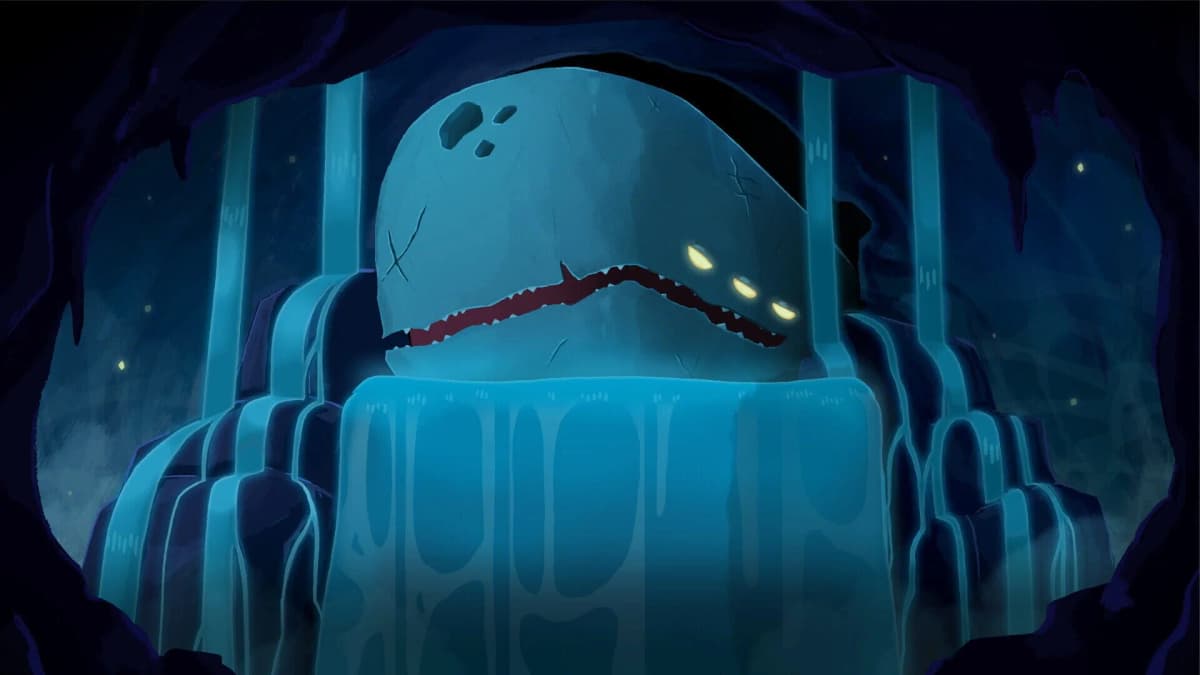
Mega Crit itself has been cautious with timing before — the studio pushed its own release window from autumn 2025 to March 2026 for polish and scope reasons — but once a highly anticipated sequel’s date is nailed down, it functions as a gravitational center. Eurogamer notes StS2 is among Steam’s top wishlists, and Rock Paper Shotgun highlighted how co‑op changes the game’s social momentum. That’s a lot of discovery power focused into one week.
What to watch next
- Handmancers’ new Early Access date — 58BLADES says they’ll reveal it during Turn‑Based Fest (March 2026). If they pick a crowded festival slot, the delay may be cosmetic; a quiet window will tell you they learned the right lesson.
- Slay the Spire 2’s Early Access reception after March 5 — wishlist conversion, peak players and how long the co‑op buzz holds will determine how long it shadows other deckbuilders.
- Other small deckbuilders’ behavior — expect more shifting dates and festival tie‑ins through March. If this becomes a pattern, indies will start coordinating calendars publicly to avoid direct clashes.
Handmancers’ statement put it bluntly and with a little gallows humor: the team acknowledged they’d be playing Slay the Spire 2 too. That’s an honest, low‑drama choice — polish and visibility do matter. The uncomfortable truth is that release timing is now as strategic as the game itself for indies in crowded niches.
TL;DR
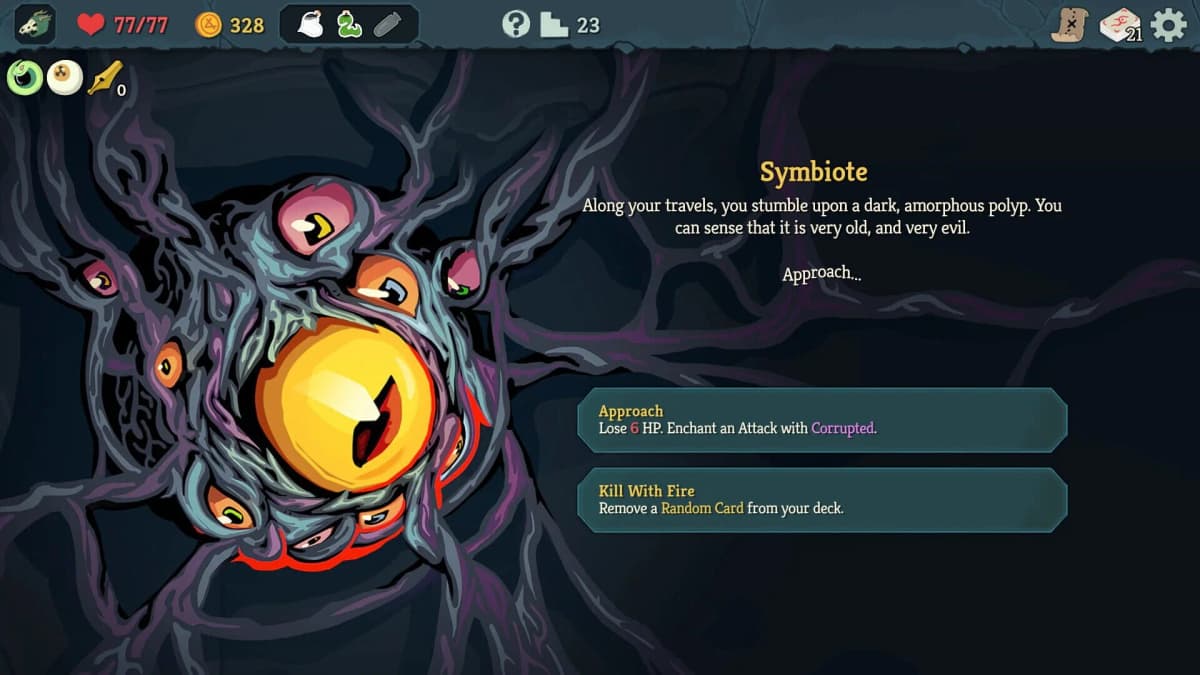
A small deckbuilder delayed Early Access after Mega Crit fixed Slay the Spire 2 for March 5. It’s a practical response: big sequels dominate discovery, and indies are increasingly moving launch dates or leaning on festivals to avoid being ignored. Watch Handmancers’ new date at Turn‑Based Fest and StS2’s post‑launch momentum — those two things will tell you whether this is a one‑offs or a long‑term scheduling problem for indie developers.
FinalBoss // Gear
Level up your setup
01Top-rated gaming headsetson Amazon→02High-refresh gaming monitorson Amazon→03Gaming chairson Amazon→04Discounted game keyson Kinguin→Affiliate links · As an Amazon Associate, FinalBoss earns from qualifying purchases.
Want to Level Up Your Gaming?
Get access to exclusive strategies, hidden tips, and pro-level insights that we don't share publicly.
Ultimate Gaming Strategy Guide + Weekly Pro Tips