
The James Bond fantasy is gadgets, casinos, and controlled risk. The reality for IO Interactive right now is that a foreign age-rating board has accidentally dumped their mission dossier online – including what appears to be the game’s ending – six weeks before launch.
This isn’t just another “whoops, a trailer leaked.” It’s a ratings bureaucracy turning into a security hole, and it should make every studio that ships builds to global boards very nervous.
Table of Contents (7)
Key Takeaways
- Indonesia’s Game Rating System (IGRS) exposed over an hour of 007: First Light footage, reportedly including late-game and ending sequences.
- The leak came from material privately submitted for age classification, along with dev emails and files for other unannounced or unreleased games.
- 007: First Light is a narrative-heavy, origin-story Bond game; having its climax online pre-release hits harder than a generic gameplay leak.
- The real story is how fragile the rating-board pipeline is, and how little oversight there seems to be on how these agencies handle sensitive data.
A boring bureaucracy just became a major spoiler machine
Here’s what happened, in plain terms. To secure an age rating in Indonesia, publishers submit media to IGRS – often via private links to builds or longform gameplay captures. According to multiple reports, a flaw in IGRS’s handling of those submissions meant private material ended up broadly accessible.
In this case, that “material” included more than an hour of 007: First Light footage. Not just tutorial stuff or random stealth sandboxes, but sequences tied to the climax and apparent ending of the game. Clips and mirrors are now circulating online, bouncing between file hosts and social platforms faster than takedown notices can keep up.
Other unreleased titles were caught in the blast radius – including upcoming games linked to Assassin’s Creed and Castlevania, plus anime-adjacent projects like Echoes of Aincrad – along with thousands of developer email addresses. So in practical terms, 007: First Light gets major spoiler leak after Indonesia rating board breach, and that phrase isn’t just SEO bait; it’s the literal chain of events.
Ratings boards are supposed to be the dullest part of game development. You send them your violence, your sex scenes, maybe your edgiest cutscenes, they stamp it with a number, everyone moves on. When that process starts casually exposing endgame sequences and studio contact lists, the whole pipeline looks a lot less safe than publishers have been assuming.

Why this hits 007: First Light harder than most
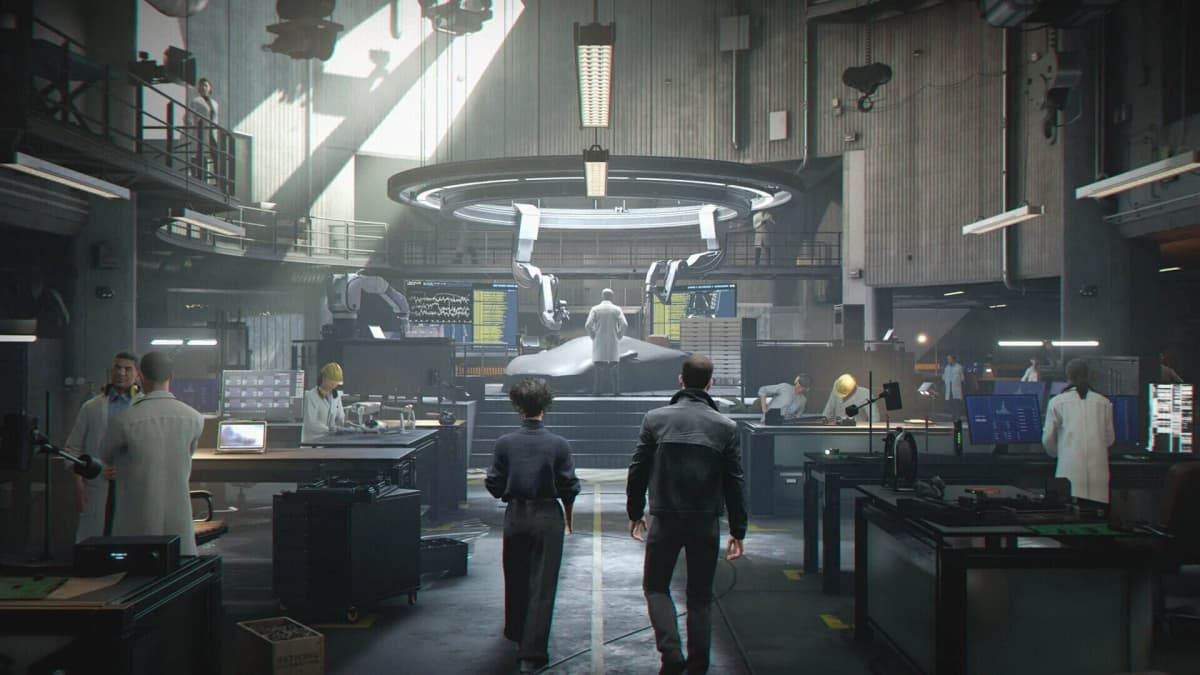
IO Interactive’s take on Bond isn’t a throwaway action romp. From their own dev diaries, they’ve been very clear: 007: First Light is an origin story about a young, untested Bond, heavy on character arcs, choice-driven espionage, and the tension between gut instinct and data-driven surveillance.
That kind of game lives or dies on pacing and discovery. You’re meant to grow into Bond – bluff your way through conversations, improvise under pressure, and slowly understand who this version of 007 actually is. Seeing hours of late-game footage in isolation, out of narrative context, doesn’t just “spoil the twist”; it bulldozes that carefully planned escalation.
If this were a purely systems-driven roguelike or a multiplayer shooter, an hour of leaked gameplay is annoying but survivable. For a story-forward Bond reboot, a full ending in the wild changes how some players will approach the entire experience. There will be thumbnails, out-of-context screenshots, and “explained” videos waiting in search results the minute the game launches.
IO can’t realistically patch around this. You don’t just rewrite and re-record a Bond finale six weeks before launch without breaking everything else. Their options now are damage control and messaging, not structural fixes.
The question PR won’t want to answer: how secure are the other boards?
The uncomfortable part is that IGRS is not some weird outlier in the global system. Every major release runs a gauntlet of rating agencies – ESRB, PEGI, USK, regional boards across Asia and the Middle East – each with its own submission portal, rules, and technical competence.
We’ve seen rating boards leak things for years: unannounced titles appearing in public databases, platform versions revealed early, DLC names spotted by fans trawling filings. But those were data entry spills. What’s happening here is different: raw developer material – longform video, internal docs, and contact lists – being exposed.
If I had one question with a ratings rep in front of me, it would be this: Who audited your security model for handling pre-release media, and did they have any experience with games actually under NDA? Because the workflows we’re hearing about – private Google Drive links, manual access during review – sound suspiciously like “we cobbled this together and hoped for the best.”
There’s also a second-order risk here that isn’t as visible as a leaked Bond finale: social engineering. Thousands of dev emails from multiple studios reportedly exposed via the same incident is catnip for phishing campaigns. Expect a wave of very convincing “rating board follow-up” or “Steamworks policy update” emails landing in inboxes over the next few months.

For players, it’s time to treat leaks like an environmental hazard
None of this is your fault if you’re just looking forward to a good Bond game, but the practical advice is boring and necessary: if you care about going in fresh, mute aggressively. “007: First Light”, “First Light ending”, “IGRS”, and any character names you’ve seen in trailers are all good candidates on social media and YouTube.
The spoiler economy thrives on algorithmic recommendations. One click on a leak-discussion video and you’ll get a dozen more in your feed, all trying to outdo each other with more revealing thumbnails and titles. Treat anything that isn’t an official IO Interactive or platform-holder upload as radioactive until launch.
On IO’s side, the smartest move now would be to lean into what they can still control: systems, tone, and choice. The dev diaries have already highlighted bluff mechanics, improvisation under pressure, and missions that can unfold in multiple ways. If they can convince players that “knowing the ending” is not the same as “having seen everything interesting the game does,” some of the damage can be contained.
What to watch next
- Official response from IO Interactive: A clear statement on the leak – and any changes to marketing plans – will show whether they view this as a PR nuisance or a serious narrative hit.
- IGRS transparency (or lack of it): An incident report, concrete security changes, or silence. Other boards and publishers will take their cues from how this fallout is handled.
- Platform moderation around launch: How quickly Sony, Microsoft, Valve, and YouTube respond to spoiler-heavy uploads will directly affect how contaminated the wider conversation becomes.
- May 27, 2026 launch performance: If reviews and word of mouth focus on story and choice rather than “yeah, I saw this beat leaked weeks ago,” we’ll know IO’s design held up under the leak.
TL;DR
Indonesia’s IGRS ratings board accidentally exposed over an hour of 007: First Light footage, reportedly including the game’s ending, along with material from other unreleased titles and developer contact data. For a narrative-driven Bond origin story built around discovery and improvisation, that’s a brutal pre-launch blow and a warning sign about how rating boards handle sensitive submissions. The next meaningful signal will be IO Interactive’s response – and whether global boards admit this isn’t a one-off hiccup but a systemic security problem.
FinalBoss // Gear
Level up your setup
01Top-rated gaming headsetson Amazon→02High-refresh gaming monitorson Amazon→03Gaming chairson Amazon→04Discounted game keyson Kinguin→Affiliate links · As an Amazon Associate, FinalBoss earns from qualifying purchases.
Want to Level Up Your Gaming?
Get access to exclusive strategies, hidden tips, and pro-level insights that we don't share publicly.
Ultimate Gaming Strategy Guide + Weekly Pro Tips