
When a game gets pulled from sale days after launch, the apology is not the story. The story is that the normal indie-release script-patch fast, post a humble statement, ride out the review dip-apparently was not enough. That is where Industria 2 is now: not merely struggling on Steam, but reportedly removed from sale while Bleakmill says the criticism is fair and promises fixes.
That matters because Industria 2 was not positioned as a messy Early Access experiment. It was sold on mood, art direction, and that familiar “if you miss the old days of Half-Life and BioShock, this is for you” pitch. Players can forgive jank when a small team is honest about scope. They are much less forgiving when a full release feels like a build that still needed months in the oven.
Table of Contents (5)
This is bigger than one bad launch
Bleakmill’s public line, as reported across coverage of the launch fallout, is straightforward: the studio acknowledges the release landed in poor shape, accepts that the criticism is deserved, and says it is working on fixes. Early patches reportedly addressed some of the ugliest problems, including saving issues and softlocks. That is the minimum response, not a recovery plan.
The more important signal is the Steam pull itself. If a game is temporarily taken off sale, that usually means the studio or publisher has decided the current version is doing more damage on the market than no version at all. For a small narrative FPS, that is brutal. These games do not get endless second chances because they do not live on battle passes, seasonal relaunches, or whale economies. Their sales window is front-loaded. First impressions are the business model.
That is the uncomfortable observation the PR version would rather skip: a narrative shooter built around atmosphere cannot afford players spending their first hour cataloging crashes, missing textures, rough assets, broken progression, or a boss fight that feels half-finished. Once the mood breaks, the whole proposition breaks with it.
Atmosphere was never the problem
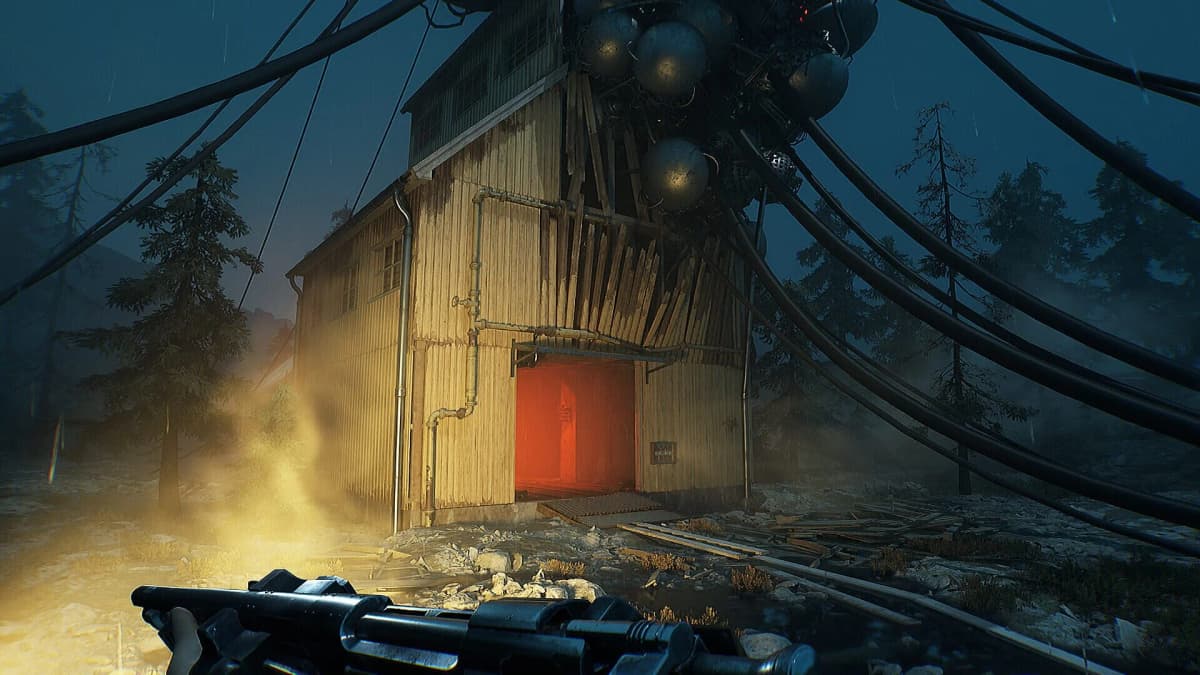
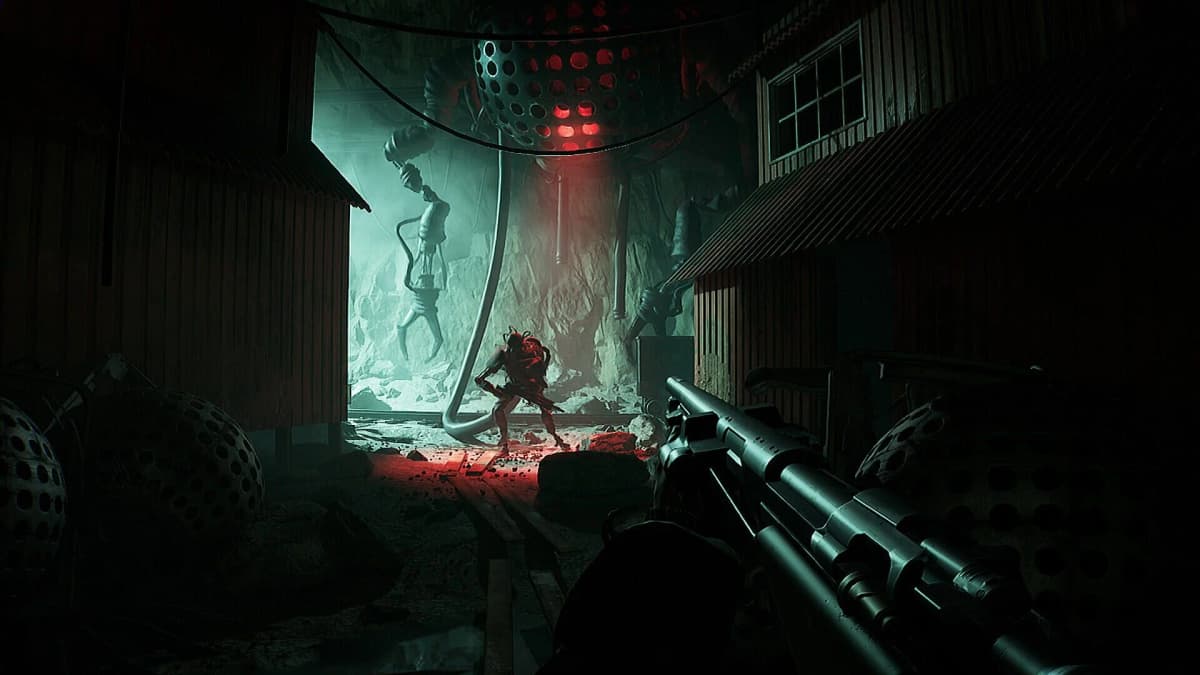
Even in negative writeups and user reactions, there is a consistent throughline: people can see the shape of a good game in here. The visual design, surreal setting, and retro-modern FPS ambitions were not the part being rejected. What players seem to be rejecting is the gap between concept and execution. That is a much harder problem than “the audience just didn’t get it.”
This is why comparisons to older cult FPS design cut both ways. Invoking Half-Life 2, BioShock, or that whole lane of tightly authored, mid-length shooters is a smart marketing hook because players are starving for more of them. It is also a trap. Those games are remembered for pacing, environmental cohesion, and mechanical confidence. If your version arrives with placeholder-feeling assets, unstable performance, and progression issues, nostalgia stops helping very quickly. It becomes an accusation.
Several reports also point to weak commercial traction on top of the technical problems, with peak concurrent player numbers sitting extremely low. For a giant live-service release, concurrency discourse is often empty noise. For a small premium PC shooter, it is still imperfect, but it does tell you something useful: there was not a big cushion of goodwill here. Industria 2 was not launched into enough momentum to survive a rough opening weekend through sheer curiosity.
The real issue is release discipline
There is a familiar industry habit on display here. A small studio spends years building a stylish game with a clear identity, runs out of runway, and ships the version that exists instead of the version that should ship. Then comes the ritual language: we hear you, we are committed, patches are coming. Sometimes that works. More often, it does not, because the launch build tells players something uncomfortable about production reality. Not just “this has bugs,” but “this was not ready for commercial release.”
That distinction matters. Bugs can be fixed. Structural thinness is harder. If player complaints are limited to crashes, performance, and softlocks, there is a path back. If the complaints also include unfinished-feeling encounters, rough voice work, missing polish, and content that seems undercooked, then the studio is not patching a stumble. It is trying to re-argue the game’s legitimacy after launch.
There is also some confusion around the exact release timeline in public reporting, with different outlets citing different launch dates after a late-stage delay. That is not the central problem, but it does underline how messy the rollout has been. Clean releases do not usually generate basic uncertainty about when the final product actually landed.
The question Bleakmill actually has to answer now
The key question is not whether more patches are coming. Of course they are. The real question is whether Bleakmill is treating this as a technical repair job or a quasi-relaunch. Players need specifics the apology format usually avoids: what is broken right now, what is being fixed first, whether the current campaign content is mechanically final, and what threshold has to be met before the game returns to Steam sale.
That last point is the one I would press hardest in an interview. If the game was pulled because the studio believes selling the current build is inappropriate, then what exact bar needs to be cleared for that to change? Stability? Save integrity? Boss rework? Asset pass? Performance targets? “We’re working hard” is not useful anymore. A game being removed from sale means the usual vague roadmap language has expired.
- Players who already bought the game need patch notes with priority order, not broad reassurance.
- Potential buyers need to know whether the demo remains available and whether it reflects the current state of the full game.
- The studio needs to decide quickly whether this is a salvage operation or a proper relaunch strategy.
What to watch next
The next meaningful signal is not another apology post. It is one of three things: a detailed fix roadmap, a confirmed return-to-sale date on Steam, or a patch cadence substantial enough to show the studio is addressing more than surface-level bugs. If all Bleakmill can offer over the next couple of weeks is incremental hotfixes and general statements, then Industria 2 risks becoming another cautionary Steam page that people cite when talking about promising indie shooters that shipped too early.
If, on the other hand, the studio publishes a concrete breakdown of what was wrong, what has already been repaired, and what still needs rebuilding before the game goes back on sale, there is at least a path to credibility. Not hype. Credibility. Right now that is the resource in shortest supply.
FinalBoss // Gear
Level up your setup
01Graphics cardson Amazon→02Gaming laptopson Amazon→03High-refresh gaming monitorson Amazon→04Discounted game keyson Kinguin→Affiliate links · As an Amazon Associate, FinalBoss earns from qualifying purchases.
Want to Level Up Your Gaming?
Get access to exclusive strategies, hidden tips, and pro-level insights that we don't share publicly.
Ultimate Gaming Strategy Guide + Weekly Pro Tips