
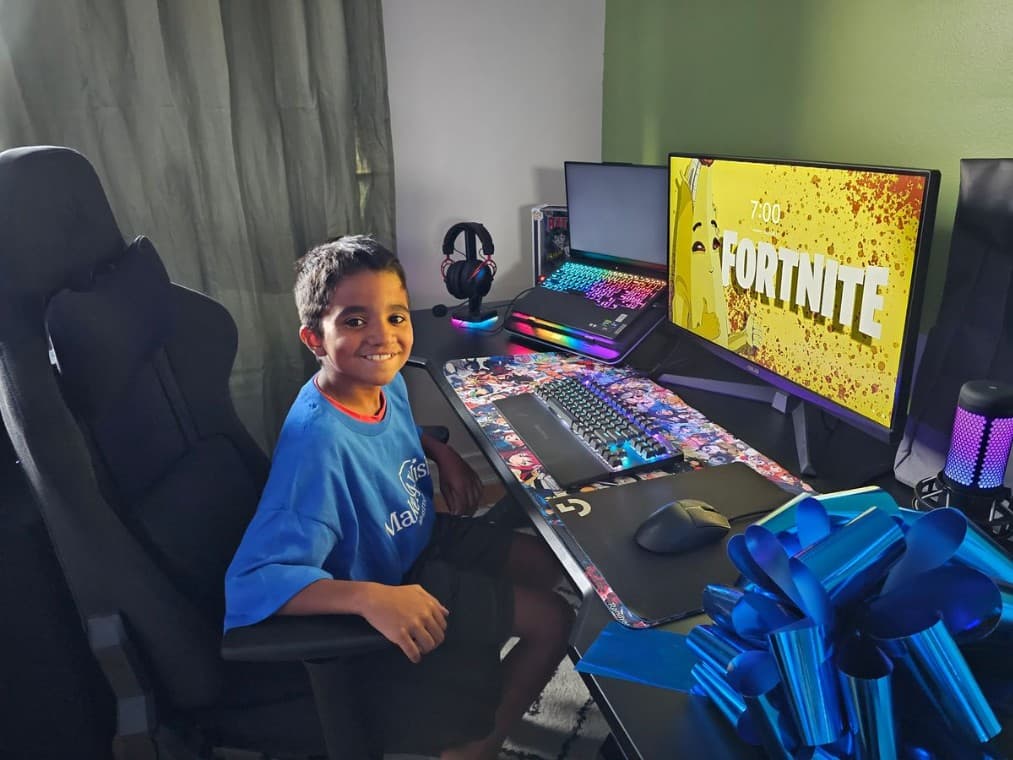
Infinite Wishes wants gaming to show its real heart — here’s what actually matters
Why Infinite Wishes Caught My Attention
Gaming and charity aren’t strangers-Games Done Quick marathons, St. Jude PLAY LIVE, Humble Bundles, TennoCon fundraisers-our community routinely turns hype into help. Make-A-Wish International launching the Infinite Wishes Initiative feels like the next logical step: a permanent, global framework connecting studios, publishers, and creators to actual wish-granting for kids facing critical illness. The pitch isn’t “buy a feel-good skin”; it’s “use the tools of game development and community-building to deliver moments kids remember forever.” That matters.
- It’s built for all sizes of teams-tiered options and non-financial ways to help mean indies can participate too.
- An industry advisory committee (Square Enix, Bethesda, Bandai Namco, 2K and more) signals this isn’t a one-off charity drive.
- The focus goes beyond money: meet-the-dev experiences, custom content, studio visits, and accessible setups are on the table.
- Success hinges on transparency and avoiding performative PR—gamers are supportive, but we expect receipts and real impact.
Breaking Down the Announcement
Make-A-Wish says gaming-related wishes are surging—everything from building custom PCs to meeting developers or creating in-game skins. Infinite Wishes is their response: a flexible, inclusive program that lets companies support wishes through funding, activations, or creative contributions. April Stallings, who manages Charitable Gaming and Creators for the organization, frames it as “creating pathways for the games industry to do great things,” whether that’s a studio livestream or a new idea that hits harder than a check ever could.
There’s an advisory committee in place going into its second year—Bandai Namco’s Wouter Van Vugt is chair, with representatives from Square Enix, Bethesda, 2K, Bandai Namco Entertainment, and folks from legal and creator-focused orgs like Deviant Legal, Modoyo, Stream for a Cause, and Dames4Games. In other words: this isn’t being cobbled together by one marketing team chasing headlines. It looks like they’ve piloted, learned, and are formalizing. The first public members named are Raptor PR and PlaySafe ID—small signal, but it shows the door’s open beyond the big publishers.
What This Looks Like in Practice
Here’s where my gamer brain starts connecting dots. We’ve seen unforgettable Make-A-Wish moments in games before—think back to World of Warcraft letting a child co-create a quest and record voice lines, a tribute still talked about years later. Infinite Wishes aims to make that kind of magic easier to pull off reliably and globally.
For a AAA publisher, this could mean flying a wish kid to a studio for a guided tour, letting them sit with a character artist to design an NPC, crediting them, and shipping the content across regions. For a mid-size studio, it might be granting a kid’s request to have their pet immortalized in-game or to name a weapon skin, plus a bespoke PC build with accessibility peripherals. For indies or creators with more heart than budget, it could be hosting a private playtest night with devs, dedicating a collectible in the credits, or curating a community stream that funds travel and tech for a wish.
The key is flexibility. Not every team can cut a six-figure check, but nearly every team can build a small moment that hits like endgame loot. Make-A-Wish’s scale—615,000+ wishes granted since 1980, over 16,000 in 2024—means they can match opportunities with kids across regions and help navigate logistics that studios aren’t equipped for (medical, travel, privacy, local laws).
FinalBoss // Gear
Level up your setup
01Top-rated gaming headsetson Amazon→02High-refresh gaming monitorson Amazon→03Gaming chairson Amazon→04Discounted game keyson Kinguin→Affiliate links · As an Amazon Associate, FinalBoss earns from qualifying purchases.
The Gamer’s Perspective: Hype vs. Substance
Gamers are generous, but we’re also allergic to corporate performativity. Limited-time “charity cosmetics” that never clearly disclose how much reaches the cause? Hard pass. Infinite Wishes will need to prioritize transparency—public reporting on wishes granted through the program, regional breakdowns beyond North America and Western Europe, and clear communication when in-game items or bundles are involved. Show us the numbers and the stories, not just the photo ops.
There’s also the ethical side: kids’ privacy and dignity come first. Not every wish needs a documentary crew. Some families will want a quiet day at a studio; some will be thrilled to see content go live worldwide. The advisory committee should bake in guidelines so partners know how to center the child, not the brand.
One promising sign is the inclusion of creator-focused groups like Stream for a Cause. Streamers have already proven they can mobilize fast and raise huge sums responsibly. If Infinite Wishes provides templates, best practices, and clear pathways for creators to grant or fund specific wishes, expect community buy-in to snowball.
Why This Matters Now
We’re in a weird moment where the industry is both wildly profitable and painfully volatile—layoffs, studio closures, and franchise fatigue. Infinite Wishes is a reminder of what games can do that movies and music can’t: let people participate. Let a kid design a skin. Let them hear their voice in a quest. Let a community build a PC and watch the unboxing live. It’s the kind of tangible, personal impact that cuts through the noise and actually makes the culture better.
If Make-A-Wish and its partners deliver on the promise—measured impact, global reach, and genuine, player-first storytelling—Infinite Wishes could evolve from “nice initiative” to a standing pillar of how our industry gives back.
TL;DR
Make-A-Wish’s Infinite Wishes is a real framework for studios, publishers, and creators to turn gaming into life-changing experiences for critically ill kids—not just fundraising. I’m optimistic, with the usual caveats: keep it transparent, keep it kid-first, and ship impact we can actually see.