
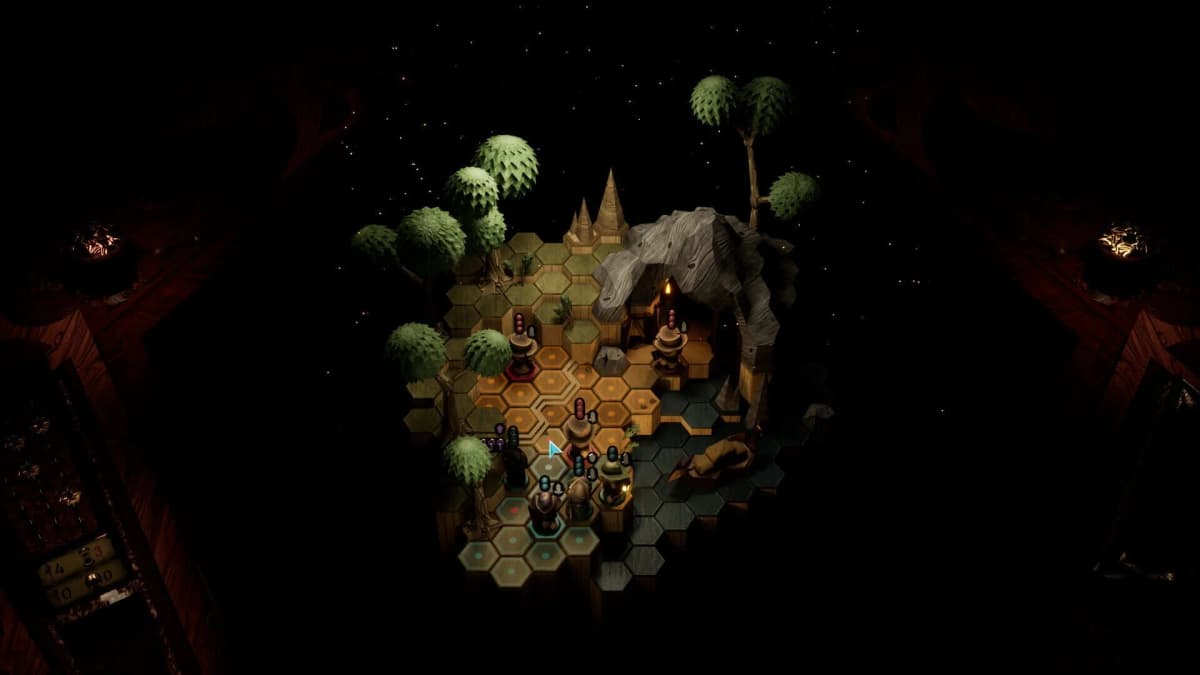
Inkshade Review: A Dark Tabletop Nightmare Awaits
Game intel
Inkshade
Inkshade is a turn-based tactics game carved out of strange wooden miniatures, wrapped in a web of locked rooms, and orchestrated by an otherworldly game maste…
Inkshade: The Roguelike That Gets Under Your Skin
I love when an indie gem nails that tabletop vibe in a digital package, especially when it’s dripping with Inscryption-style mystery. Studio Vezelle’s Inkshade, released August 14, 2025, on PC via Steam, instantly grabbed me by weaving painted wooden minis, turn-based tactics, and unsettling real-world puzzles into a seamless, roguelike experience. After wading through a sea of cookie-cutter ‘roguelites’ and auto-battlers, Inkshade snarls in with a fresh identity—one that’s as tactile as it is tense.
Key Takeaways for Gamers
- Atmospheric Fusion: Combines DnD-inspired board tactics, permadeath progression, and off-board puzzle exploration.
- Meaningful Loss: Each wooden miniature is one life—lose it, and it’s gone forever.
- Mystery and Ritual: A candle-lit “Game Master” room hides secrets, upgrades, and dread around every corner.
- Strategic Depth: Success hinges on smart positioning, resource management, and real-world sleuthing.
- Replayability with a Twist: Procedural board layouts and randomized puzzles keep the tension alive.
Defining the Lingo
- TTRPG (Tabletop Role-Playing Game): A style of gaming where players assume characters guided by a narrative “Game Master,” typically involving dice rolls and storytelling.
- Permadeath: A mechanic where characters lost in battle cannot be revived, raising the stakes of every encounter.
- Min-maxing: Optimizing stats or resources to their maximum potential, often at the expense of other attributes.
- Roguelike: A genre defined by procedural generation, permanent death, and high difficulty.
Why Inkshade Stands Out in a Crowded Indie Space
The comparison to Inscryption goes beyond marketing hype—Inkshade embraces the atmospheric dread and meta-layer surprises that made Daniel Mullins’ title a hit. Here, the main board is just the tip of the iceberg. Beneath flickering candles and drifting motes of dust lies a shadow-soaked room where searching for clues and tools feels as important as each tactical skirmish.
Studio Vezelle captures the intimacy of TTRPG nights: the click of wooden minis, the tension around a single dice roll, and the ever-present question, “What happens if I push my luck?” The Game Master’s voice crackles with veiled threats, turning every innocuous comment into potential foreshadowing.
Gameplay Mechanics Deep Dive
Turn-Based Tactics
At its core, Inkshade is a turn-based tactics roguelike. You command a party of wooden figures—scouts, warriors, and specialists—across modular board tiles. Each figure has unique movement ranges, attack arcs, and special abilities, from leaping over obstacles to unleashing area-of-effect renditions of black ink.
The Ink Mechanic
The signature black ink flows through your pieces, granting power but also threatening to consume them. As you deal damage, your minis darken, reflecting escalating risk. Overcharge a figure and it might break or turn hostile, forcing you to adapt on the fly.
Permadeath and Progression
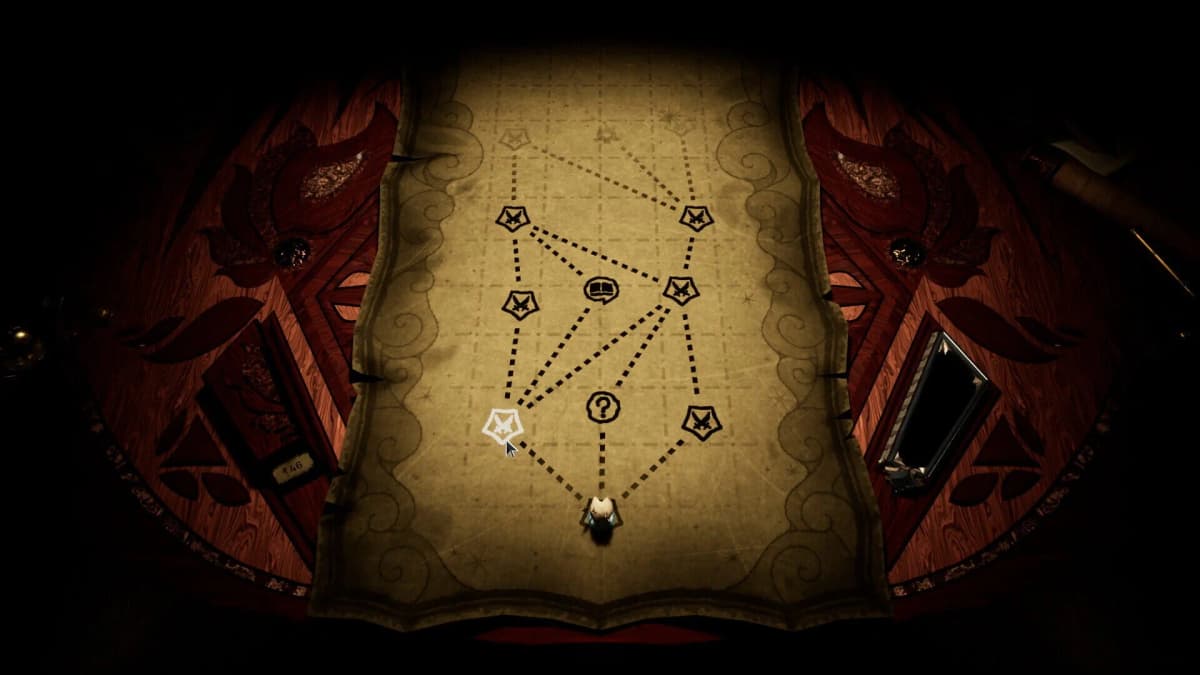
Lose a unit in battle, and it’s gone for good—no second chances. However, victory yields “ink shards,” your in-world currency for unlocking new miniatures or upgrading abilities. Risk vs. reward reigns supreme: push forward for rare artifacts at the expense of safety, or retreat to preserve your core squad.
Puzzle Exploration Off the Board
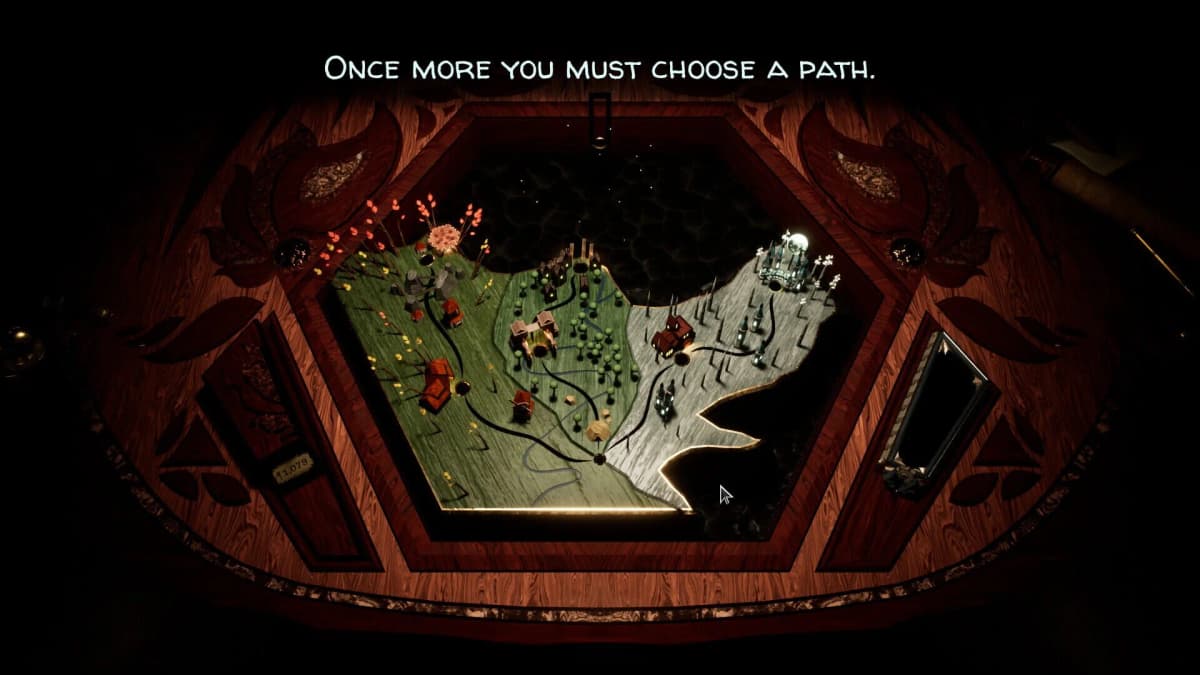
Between encounters, Inkshade urges you to leave the modular board behind and rummage through a digital room. Hunt beneath tables, lift candleholders, and inspect cryptic notes. These moments feel like real-world escape rooms, revealing new pieces, lore fragments, and shortcuts that can sway the next battle.
Exploration & Puzzle-Solving
Inkshade’s puzzles are more than window dressing—they tie directly into board strategy. Discover a hidden lever, and you might rotate a board tile to outflank enemies. Decipher a riddle scrawled on parchment, and you unlock an ink-resistant coating for a fragile unit. These brain-teasers range from symbol matching to light-and-shadow puzzles that play on the candle-lit aesthetic. They break up the combat loop with moments of genuine wonder—and dread.
Enemies, Bosses, and Tactical Combat Tips
The world beyond your board is populated by nightmarish foes: ink-corrupted bandits, spectral knights, and hulking guardians doused in brackish oil. Each enemy type demands different tactics. Fast-moving raiders need chokepoint defense; armored brutes require coordinated multi-unit assaults.
- Focus Fire: Isolate weaker units by pinning them with ranged figures, then finish them off with front-liners.
- Environmental Hazards: Push foes into ink-puddles to slow them, or lure them beneath swinging chandeliers to deal extra damage.
- Boss Encounters: Bosses regenerate ink shields—plan your highest-damage combos for the few turns after their shields drop.
Remember, every loss stings. Treat your miniatures like valuable party members in a TTRPG: manage their health, abilities, and morale to avoid permadeath.
Want to Level Up Your Gaming?
Get access to exclusive strategies, hidden tips, and pro-level insights that we don't share publicly.
Ultimate Gaming Strategy Guide + Weekly Pro Tips
Character Progression and Builds
Ink shards earned in runs let you unlock or upgrade classes. You might funnel resources into a “Mariner” unit skilled at creating ink bridges across gaps, or an “Archivist” who reveals more puzzle clues during exploration. Builds tend to fall into three broad archetypes:
- Bruiser Tank: High health, area attacks, slow movement.
- Agile Striker: Hit-and-run tactics, ranged attacks, fragile but lethal.
- Support Specialist: Buffs allies, debuffs enemies, puzzle-specific utility.
A balanced roster mitigates permadeath shock—losing a specialist unit can freeze progression if you’ve overly min-maxed one build.
Platform & Performance
Inkshade launches exclusively on PC via Steam, requiring a mid-range machine typical for indie strategy titles. My playtests on a quad-core CPU and GTX 1060 ran smoothly at 60fps with all settings on medium. Occasional stutters occurred only when loading new puzzle-room environments, but nothing that broke immersion. Keyboard-and-mouse controls feel precise, and full mouse support for moving minis and interacting with off-board puzzles keeps the experience tactile.
Potential Pitfalls
No game is perfect. Inkshade’s steep difficulty curve and permadeath can feel punishing to newcomers. Early runs may devolve into trial-and-error until you learn enemy patterns and puzzle logic. Some players might tire of backtracking through the same candle-lit room looking for new clues—particularly if a crucial upgrade spawns in an obscure corner.
Additionally, the overarching narrative currently feels fragmentary. While lore scraps hint at a deeper DnD-inspired backstory, a full story reveal may require future updates or DLC.
Conclusion: Is Inkshade Worth Your Time?
At $19.99 with a 10% launch discount, Inkshade is an irresistible proposition for fans of atmospheric strategy and mystery-laden indies. Its marriage of turn-based tactics, real-world puzzle-solving, and shadowy TTRPG ambiance carves out a niche all its own. While the difficulty and fragmentary narrative may frustrate some, the tactile thrill of moving painted minis and uncovering secrets in a flickering chamber delivers a memorable, spine-tingling ride. If you’re craving an atmospheric digital escape that challenges both your strategic mind and detective instincts, Inkshade is a must-play.
Final Thoughts
Inkshade doesn’t just wear its tabletop inspirations on its sleeve—it immerses you in them. The next time you hear that soft “tick, tack” of a wooden piece sliding into place, you’ll know you’re in for more than a game—you’re entering a ritual, one that scratches an itch only true horror-tactics hybrids can reach. Here’s hoping Studio Vezelle keeps adding those layers of mystery, so the nightmares—and puzzles—never stop.