
Inkshade turns roguelite tactics into a creepy tabletop duel — here’s the real deal
Game intel
Inkshade
Inkshade is a turn-based tactics game carved out of strange wooden miniatures, wrapped in a web of locked rooms, and orchestrated by an otherworldly game maste…
Why Inkshade Caught My Eye
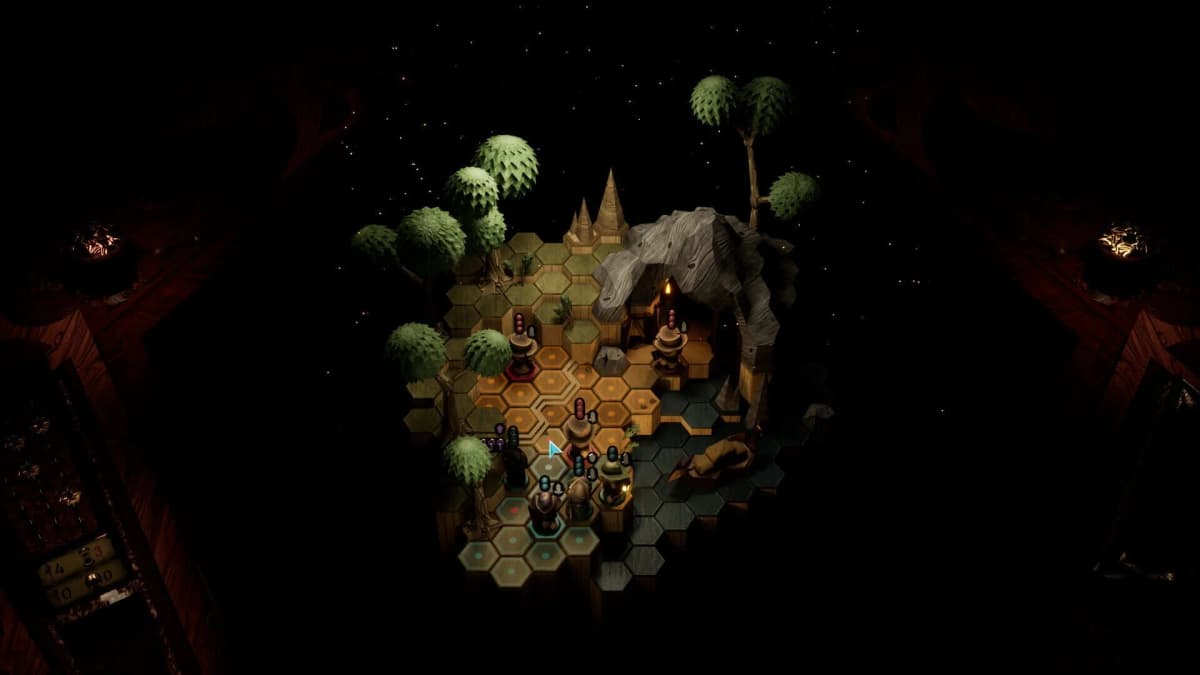
Inkshade takes a swing at a niche I love: tight, turn-based tactics dressed up like a haunted board game. You’re moving wooden miniatures across inky tiles while a shadowy game master watches (and judges) every move. That premise instantly pinged my Inscryption brain, and the tactile tabletop look is a nice break from the usual pixel or lo-fi 3D roguelites. It’s also a bold first commercial release from a one-person studio, Studio Vezelle, which usually means a strong, focused vision-or charming chaos.
The game launched on August 14, 2025 for Windows PC via Steam, single-player only. If you’ve been craving strategic runs with genuine atmosphere rather than another jokey meta-progression treadmill, this one’s worth a look-if it sticks the landing on balance and variety.
Key Takeaways
- It’s a tactics-first roguelite with a tabletop twist: wooden minis, inky boards, and a taunting game master.
- Procedural runs and roster upgrades promise replayability-but the real test is whether skill matters more than grind.
- UE5 lighting sells the mood; lower-end PCs should keep expectations in check.
- PC-only on Steam at launch, single-player focus, English support, controller optional but KB/M feels primary.
Breaking Down the Gameplay
Inkshade plays like a spooky chess dream. You assemble a squad of “pieces” with distinct classes and abilities, then take turns across tight, readable boards. Positioning, turn order, and resource management are the stars—think Into the Breach’s clarity more than sprawling CRPG chaos. The twist is thematic: everything looks like carved wood soaked in black ink, and the unseen host frames encounters as a sinister parlor game.
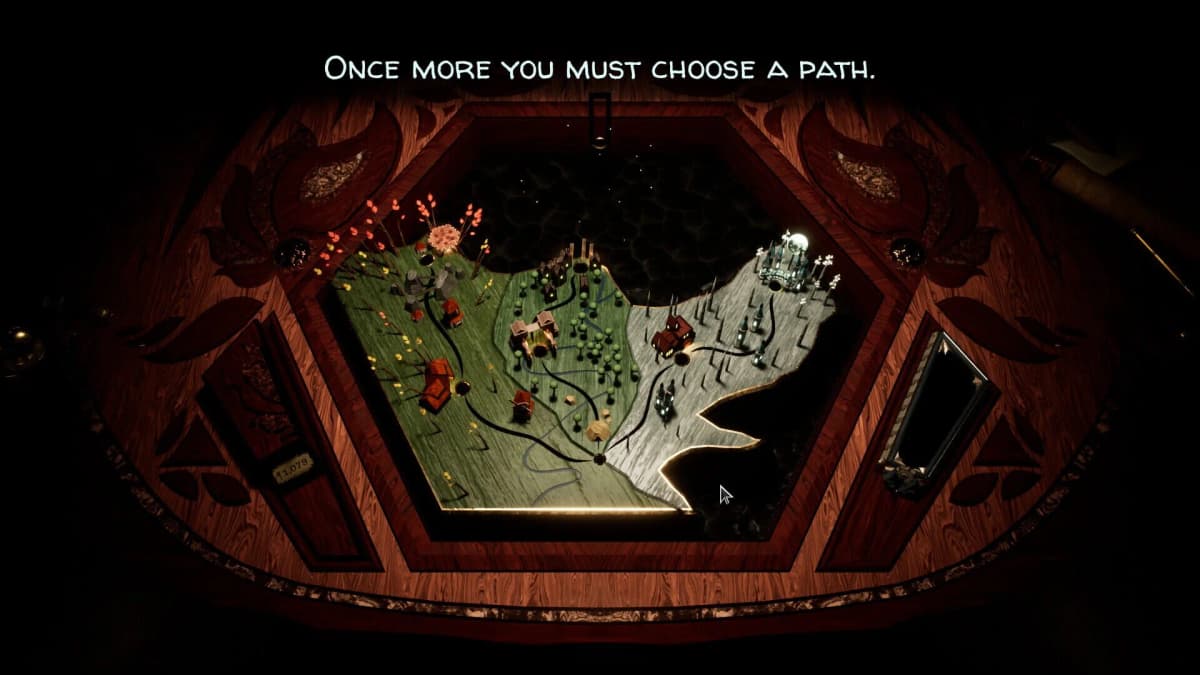
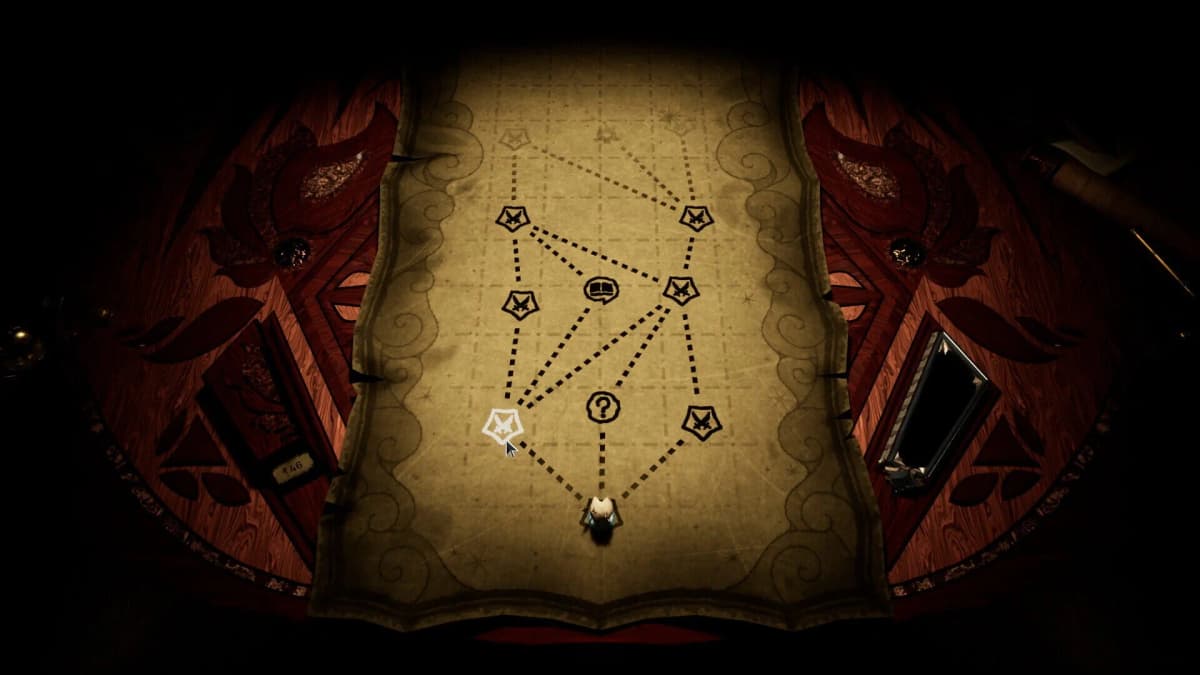
Runs are procedurally generated, with enemy placements and encounter layouts changing each time. As with any roguelite worth the name, the tension comes from risk versus reward: push deeper to unlock new classes and upgrades for your roster, or cash out before a bad roll wipes your best piece. If you enjoy the stress of Darkest Dungeon’s attrition—but want cleaner, puzzle-forward turns—this seems aimed right at you.
I appreciate the decision to keep it single-player. The “GM versus player” vibe wouldn’t hit as hard with co-op chatter, and one-creator projects generally thrive when the scope is controlled. The focus is on clarity of rules, smart enemies, and that creeping sense the board itself is conspiring against you.
The Roguelite Reality Check
Here’s where I get picky. Roguelites live or die on whether meta-progression empowers creativity or becomes a grindy tax. The pitch promises new classes of pieces and upgrades as you explore, which is fine—provided your first few runs don’t feel like underpowered chores. The best modern tactics roguelites put skill first: you should be able to win early if you play brilliantly, and upgrades should unlock new playstyles rather than raw stat walls.
Randomization is another tightrope. If enemies or objectives are too swingy, it won’t matter how clever your plan is—you’ll get blindsided by bad layouts. The tabletop framing helps, though: small, legible arenas and deterministic interactions can keep luck in check while still surprising you. If Inkshade leans into telegraphed enemy intent and clear tooltips, it could land in that sweet spot where you blame yourself, not the seed.
The other question: run length. Short, 20-40 minute dives encourage experimentation and “one more go” evenings; multi-hour marathons turn losses into homework. The aesthetic screams “tight bites of dread,” and I hope the structure follows suit.
Want to Level Up Your Gaming?
Get access to exclusive strategies, hidden tips, and pro-level insights that we don't share publicly.
Ultimate Gaming Strategy Guide + Weekly Pro Tips
Industry Context: Tabletop Horror Is Having a Moment
Inkshade sits comfortably alongside a recent wave of games borrowing tabletop theatrics—Inscryption’s menacing DM, Hand of Fate’s card-table storytelling, even Darkest Dungeon’s narrator-as-antagonist energy. What’s refreshing here is the pure tactics emphasis. Plenty of indies chase deckbuilders; fewer commit to small-board positional play with strong theme. If Studio Vezelle can keep encounter design tight and readable, Inkshade could become a go-to recommendation for strategy fans who want mood without sacrificing clarity.
The Unreal Engine 5 pick makes sense: lighting and shadow do most of the heavy lifting in a game about ink and void. Just be aware UE5 can be heavy on older rigs. There’s controller support, but based on genre norms, mouse-first players will likely have the precision edge.
What Gamers Need to Know Right Now
Practical stuff: Inkshade is out now on Steam (Windows PC), launched August 14, 2025. It’s single-player, English interface/audio/subtitles, with controller support. No console or Mac/Linux versions have been announced. There was no early access phase—this is a straight 1.0 launch from a one-person studio—which usually means post-launch patches will be guided heavily by community feedback. If you care about accessibility or remapping, check the in-game options first thing and weigh in; small teams often iterate fast when players are specific.
If you’re coming from tactics staples: expect something closer to Into the Breach’s bite-sized clarity than XCOM’s sprawling management layer. If you loved the oppressive mood and consequence of Darkest Dungeon but wanted cleaner turn information, this tries to split the difference. And if a taunting game master elevates your anxiety in a good way, well—pull up a chair.
Looking Ahead
My wishlist after a few hours with games like this: strong enemy telegraphs, meta upgrades that unlock new tactical verbs (not just bigger numbers), and boss fights that force you to rethink your default formation. If Inkshade builds on those pillars—and keeps runs snappy—it could carve out a loyal niche among strategy sickos. If it leans too hard on grind or RNG spikes, the gorgeous vibe may not be enough to keep people at the table.
TL;DR
Inkshade is a tactics-first roguelite with a killer tabletop horror aesthetic, out now on Steam for PC. If you value clean, positional play and a moody host whispering over your shoulder, it’s absolutely worth a shot—just watch for how the meta unlocks and difficulty scaling shake out post-launch.