
When Hideo Kojima speaks, the gaming world listens. Fresh from a 30-hour hands-on session with Death Stranding 2 at Kojima Productions in Tokyo, we sat down with the legendary creator to unpack his latest vision – and the long, strange trip it took to get here. From pandemic hurdles to philosophical twists, Kojima’s insights shed new light on one of 2024’s most anticipated releases.
Death Stranding 2: Kojima’s Pandemic-Born Vision and a Question of Connection
What does it mean to connect? For Kojima, this question isn’t just philosophical – it’s the soul of Death Stranding 2. But before the team could tackle such weighty themes, they had to battle a real-world disconnect: the global COVID-19 crisis. Here’s how Kojima and crew pushed through, with help from Sony and plenty of inventive thinking.
- Death Stranding 2 was developed almost entirely during the COVID-19 pandemic, forcing Kojima to direct remotely.
- Sony provided custom tech so Kojima could oversee motion capture sessions from afar.
- The sequel pivots the original’s “connect everyone” theme, now asking: “Should we have connected?”
- Kojima expresses deep concerns about online-only existence and the metaverse’s impact on humanity.
| Feature | Specification |
|---|---|
| Publisher | Sony Interactive Entertainment |
| Release Date | June 26, 2025 |
| Genres | Action, Adventure |
| Platforms | PlayStation 5 |
Death Stranding 2’s journey began in unprecedented times. As the pandemic shuttered studios and forced creators across the globe to adapt, Kojima found himself separated from his team and, crucially, from the Los Angeles performance capture studios where his cinematic experiences come to life. “I worked mainly with people I couldn’t even see… I thought we’d never finish,” he admitted. For a director known for micromanaging every creative detail, the physical distance was daunting.
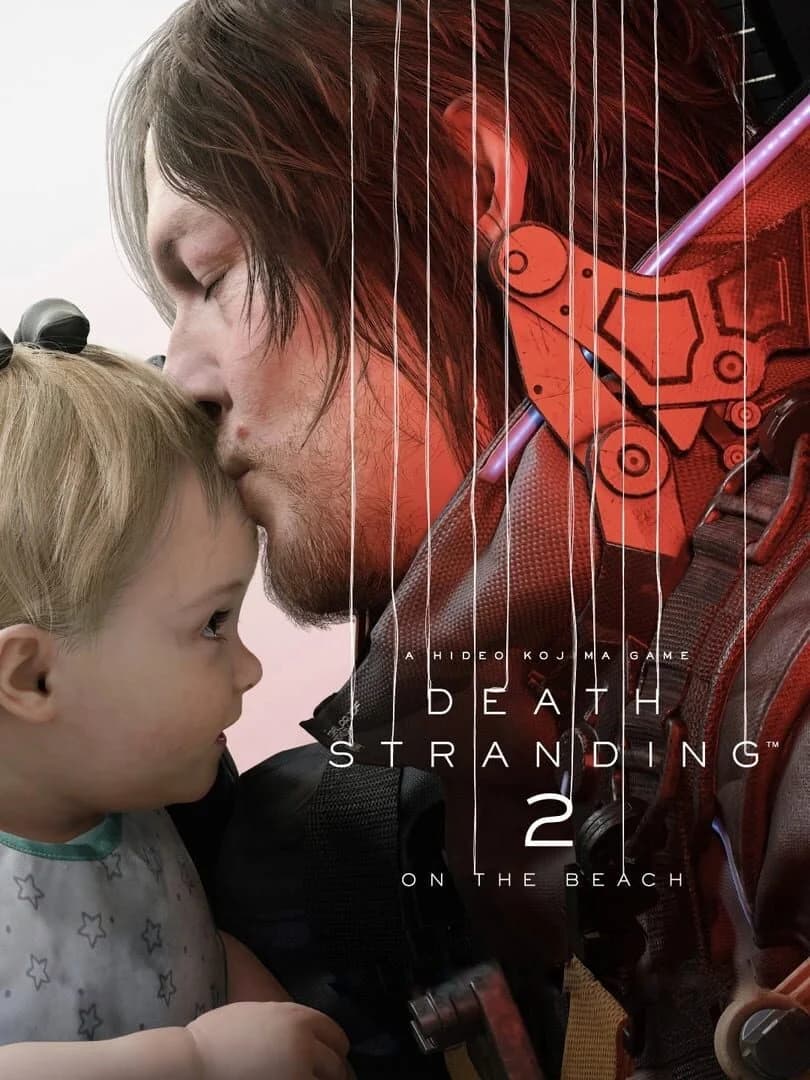
Sony stepped up with a tech-savvy workaround: a “giant screen” with a dual-input system, allowing Kojima to interact with casts and crews remotely, as if peering through a digital window. While not the same as being on set, this solution enabled the meticulous motion capture sessions Death Stranding is known for. It’s a striking example of how AAA development can adapt – but it also spotlights the strain such conditions place on auteur-driven projects.

Beneath the technical hurdles lies a thematic twist. Where the first Death Stranding championed the reconnection of a fractured America, the sequel flips the script. The new tagline — “Should we have connected?” — asks players to reconsider the cost of those bonds. Kojima attributes this shift partly to the pandemic’s lessons: “This time, people survived by connecting online… but is that really what it means to be human?” Kojima’s skepticism about a purely virtual existence, and the rise of the metaverse, infuses the project with timely relevance. Is more connection always better, or is something lost along the way?
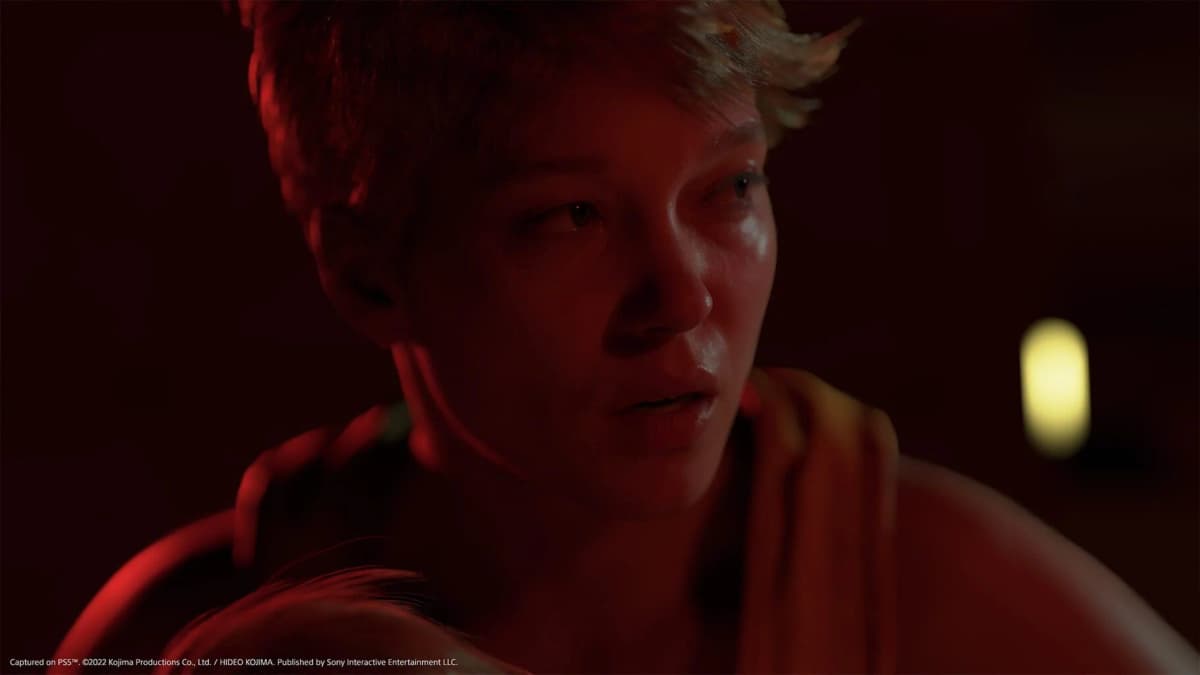
If our extensive play session is any indication, Death Stranding 2 is set to challenge players not only with its mechanics and storytelling, but with questions about the very fabric of digital society. Kojima continues to push boundaries — both technically and thematically — and with Sony’s backing, he seems determined to make us all rethink the lines between connection and isolation.

With less than a month until launch, the question now is: will players embrace Kojima’s new vision, or find themselves wary of its warnings? One thing’s certain — few developers dare to ask such big questions in blockbuster games.
TL;DR: Death Stranding 2 survived a uniquely challenging development cycle, thanks to Sony’s remote tech and Kojima’s persistence. The sequel questions the value of digital connection, drawing direct inspiration from the pandemic era. Expect a bold, thought-provoking adventure when it lands on PS5 this June.
Source: Sony Interactive Entertainment via GamesPress
FinalBoss // Gear
Level up your setup
01Top-rated gaming headsetson Amazon→02High-refresh gaming monitorson Amazon→03Gaming chairson Amazon→04Discounted game keyson Kinguin→Affiliate links · As an Amazon Associate, FinalBoss earns from qualifying purchases.