
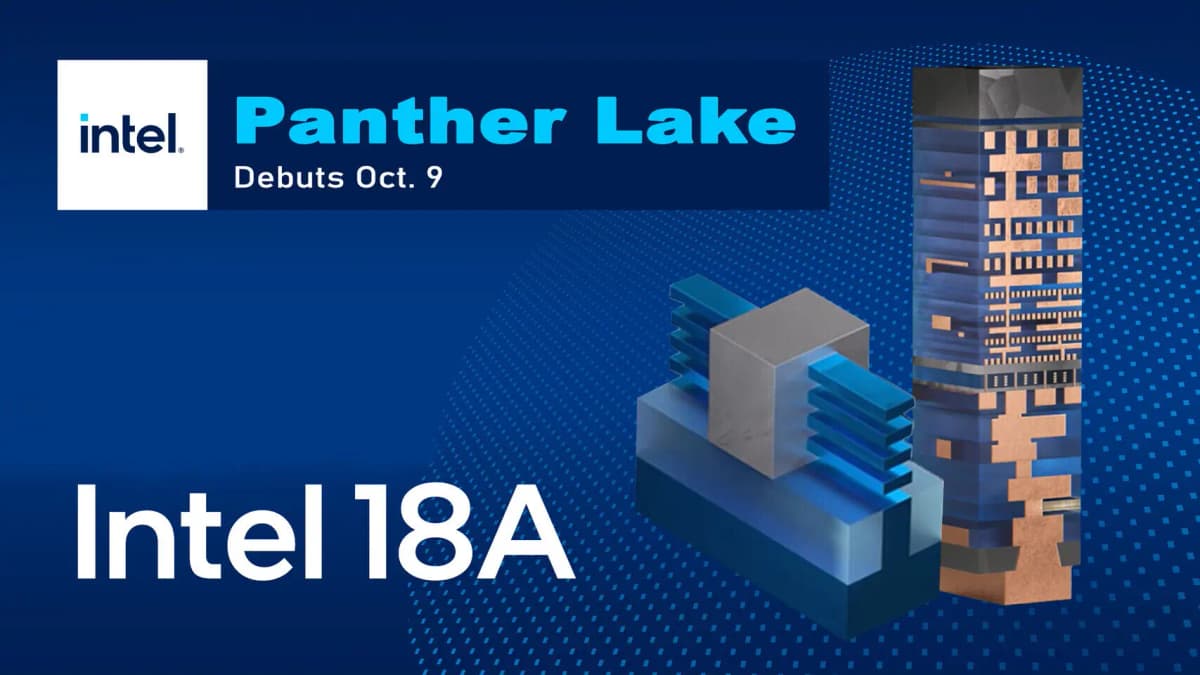
Another week, another Intel leak – but this one actually matters for gaming laptops. A Chiphell post (amplified by Videocardz) points to at least 12 Panther Lake mobile CPUs landing “imminently,” including four high-end chips under a fresh “Intel Core Ultra X” brand. I’m interested because Intel’s mobile story has been inconsistent lately: Meteor Lake brought smart power tricks, Lunar Lake targets thin-and-light machines, but true high-performance gaming laptops need sustained grunt and sane thermals. If Intel’s new H-class Panther Lake parts deliver, 2025’s gaming notebooks could finally feel like a generational step, not a sidegrade.
The headline is the new “Core Ultra X” tier: reportedly the Core Ultra 9 X338H, Core Ultra 7 X368H, Core Ultra 7 X358H, and Core Ultra 5 X338H. The first three allegedly carry four P-cores (your gaming-critical cores), eight E-cores for throughput, four low-power E-cores for background efficiency, and 12 Xe2 GPU cores. The Ultra 5 X338H dials that down to four P-cores, four E-cores, four LP E-cores, and 10 Xe2 cores. On paper, that’s a balanced hybrid setup we’ve seen evolve since Alder/Meteor Lake – with the LP E-cores taking over the “lite” tasks to save battery while the big cores wake up for games.
Below the X-tier, another four H-series parts reportedly drop the flashy label and trim the iGPU to just four Xe2 cores, still with 4P/8E/4LP E in the higher bins (and a lower E-core count for the Ultra 5 325H). Translation: those are clearly meant to be paired with a discrete GPU from NVIDIA or AMD, where the integrated graphics matter less. The final four CPUs supposedly target low-power laptops and lack E-cores altogether – not where you want to be for gaming, but fine for office ultrabooks.
The GPU angle is interesting. Xe2 is Intel’s Battlemage-era architecture, and if the leak’s core counts are accurate, the top iGPU configs could make for decent “no dGPU” gaming in slim laptops — think esports and indie titles, 1080p medium-ish, with a dose of XeSS. But for most gaming machines, expect a dGPU to carry the frame-rate load. Where Xe2 still matters is video encode/AI offload and battery-friendly casual gaming.
Four P-cores at the high end is the eyebrow-raiser. AMD’s top mobile chips typically pack more high-performance cores, and on desktops AMD’s 3D V-Cache has been a frame-time cheat code. Granted, 3D V-Cache hasn’t hit gaming laptops in any meaningful way yet, and Intel’s per-core performance plus scheduling improvements might offset the P-core count. But laptops live and die by sustained clocks and thermals, not just core math.
That’s where OEMs come in. Intel’s H-series chips can look wildly different depending on power limits (PL1/PL2), cooling design, and whether a laptop uses fast LPDDR5X or standard DDR5. A “Core Ultra X” badge won’t fix a weak heatsink or a fan curve that throttles under load. If you’re shopping later this year, look for real sustained performance numbers — a long-run Cinebench loop, a 30-minute CPU-bound game capture, or Blender renders — not just short turbo spikes.
Intel only just simplified its names with “Core” and “Core Ultra,” and now we might get “Core Ultra X.” I get the intent — signal the halo parts for premium gaming systems — but buyers already have to parse suffixes (H vs. U), power budgets, and GPU configs. If “X” ends up meaning “higher TDP with a beefier iGPU and bigger cooling,” fine. If it’s just a sticker tax, it’s more confusion we don’t need.
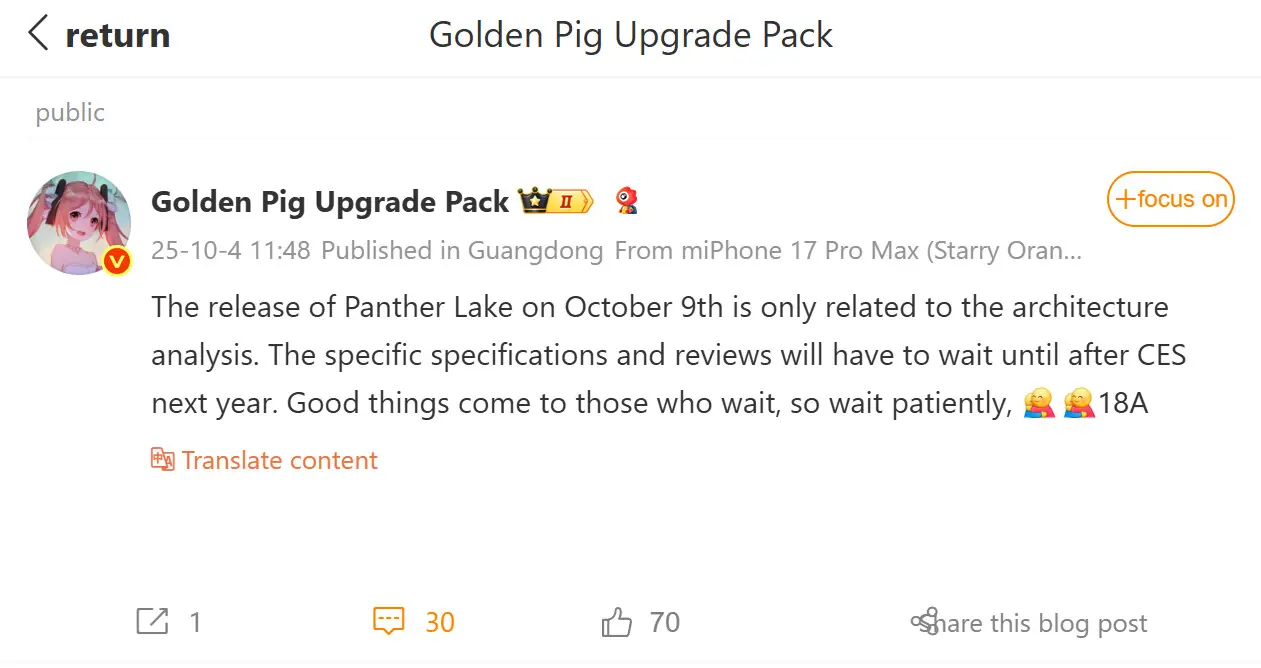
Panther Lake is tied to Intel’s 18A process, which has been the subject of plenty of rumor-mill drama. The leak suggests Intel will share more this week, but don’t expect airtight specs until early next year. Even if the announcement hits soon, the real test is shipping hardware: laptops on shelves with mature firmware, stable drivers, and consistent performance. Early silicon plus early BIOS equals headaches — we’ve seen that movie.
Intel’s rumored Panther Lake lineup brings a new “Core Ultra X” tier and up to 12 Xe2 GPU cores in high-end laptop chips. It sounds promising, but four P-cores at the top end means success will hinge on per-core gains, OEM power/cooling, and memory choices. Wait for real-world tests before crowning a new mobile gaming king — the sticker won’t tell the whole story.
Get access to exclusive strategies, hidden tips, and pro-level insights that we don't share publicly.
Ultimate Gaming Strategy Guide + Weekly Pro Tips