
IRON NEST: Heavy Turret Simulator gives every artillery shot two contradictory qualities: it can feel enormously satisfying, and it can feel like the reward for completing a demanding administrative procedure. The game asks me to read orders, draw lines, calculate angles, load ammunition, set machinery, and finally pull a lever. That ritual is exactly why Iron Nest stands apart. It is also why its appeal has a hard edge.
Released for PC through Steam and GOG.com on August 6, 2026, Iron Nest carries a USD $19.99 launch price and a far more specialized ambition than its title initially suggests. This is a first-person artillery simulation set in fictionalized 1920s Castile, where a lone operator directs a colossal mechanized turret from inside its steel confines. The game treats a firing solution as a small tactical victory, earned through deliberate work rather than reflexes.
I admire that commitment. I also think Iron Nest asks for a very particular temperament: one that finds tension in measurements, satisfaction in correct procedure, and meaning in a shell landing where the map said it should. Anyone arriving for constant firing and immediate spectacle will meet a game that wants their attention long before it wants their trigger finger.
Table of Contents (7)
The Essential Trade-Offs
- High Command sends mission instructions through teleprinter messages, making written information a central part of every operation.
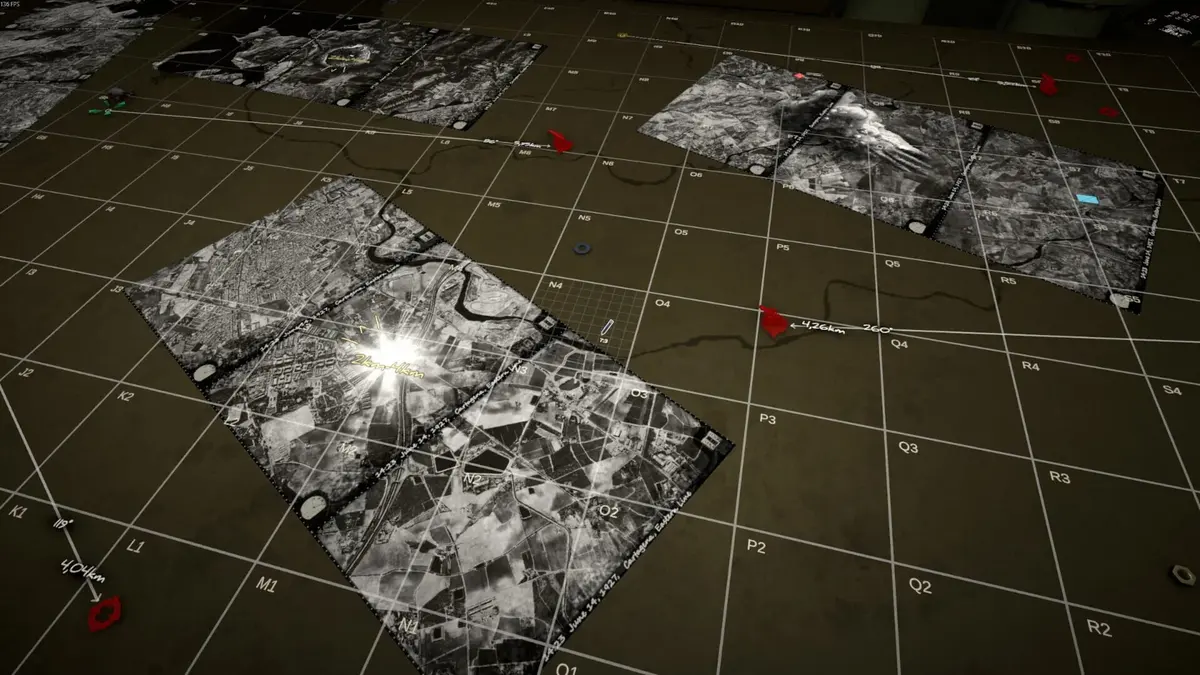
- The map table is the heart of the game: players plot coordinates, measure bearings and ranges, and triangulate targets before aiming the gun.
- A firing solution moves from calculations into a firing computer, then into manual hydraulic adjustments for bearing and elevation.
- Loading shells and propellant bags, arming the weapon, and operating the firing lever turn each shot into a complete mechanical sequence.
- HE, AP, smoke, and illumination ammunition give orders different tactical uses, while recon purchases add a cost-management layer to target hunting.
Every Shot Starts as Information Work
The most important thing about Iron Nest is that the cannon is the end of the process, not the beginning. Each mission begins with a teleprinter message from High Command. Those orders carry the coordinates, target information, and operational constraints that shape the rest of the job. There is no exterior view to casually scan for answers. The operator works from inside the machine, relying on messages, measurements, calculations, and the map table.
That limited viewpoint gives the game its strongest identity. The tactical map is not decorative mission dressing; it is the actual battlefield interface. Coordinates must be placed, reference points must be read, and lines must be drawn with care. Bearings and ranges become the language that turns a distant instruction into a targetable position. Iron Nest earns its one-person Battleship comparison because the work has the same grid-based hunt at its core, only filtered through artillery mathematics and heavy machinery.
The result is a game about confidence under incomplete information. A target is not simply highlighted for the player. It has to be derived. A careless map measurement can poison the next calculation, and a poor calculation can waste a shell or jeopardize an objective. That creates stakes without needing fast enemies or elaborate combat theatrics. The tension comes from knowing that the answer is somewhere in the information already on the table, provided the operator reads it correctly.
I find that structure far more compelling than a conventional artillery reticle. Iron Nest makes target acquisition feel earned because it turns reasoning into the primary skill. The game respects players who can slow down, parse an order, and turn a cluster of numbers into a workable plan. Its most satisfying moments come from recognizing that the map, the message, and the firing solution finally agree.
The Machinery Gives the Maths Weight
Map work alone would make Iron Nest a clever tactical puzzle. The physical operation of the turret is what gives that puzzle its muscle. Once the plotting is complete, distance and firing data go into the firing computer, which produces the information needed to set elevation. The player then works the turret through mechanical controls, adjusting bearing and elevation with hydraulics rather than simply pointing a cursor at the horizon.
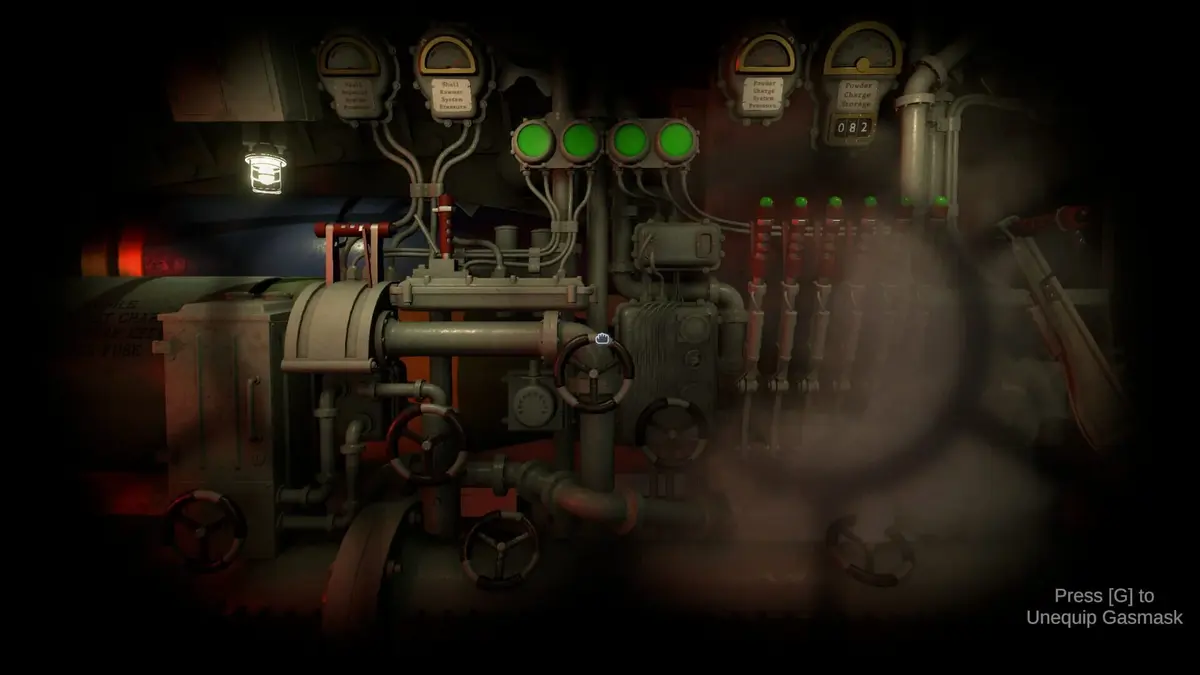
That handoff from calculation to machinery matters. A correct solution remains abstract until the gun is physically laid. Dials, levers, and control panels create a gap between knowing the answer and executing it, which is where Iron Nest finds much of its tactile appeal. The game wants the operator to understand the relationship between the map table and the turret itself. It makes the artillery piece feel like a machine that must be prepared, not a weapon that fires automatically because the right number was entered.
Loading reinforces the same philosophy. Shells and propellant bags need to be handled in the correct sequence before the weapon is ready. Arming switches and the firing lever then make the final moment feel procedural rather than instantaneous. The firing action has a satisfying sense of closure because so much work leads into it. Iron Nest understands that a big gun becomes more interesting when firing it carries the weight of preparation.
Ammunition also prevents every mission from collapsing into the same routine. HE shells, AP shells, smoke rounds, and illumination flares give the operator distinct tools to consider. Smoke can support a friendly retreat, for example, pushing the game beyond simple destruction orders. Recon flyovers further complicate the decision-making by improving the information available for targeting, while a card-based cost system ties supplies and intelligence to resource choices.
Those systems form a coherent tactical loop. The game does not treat artillery as a single act of firing; it treats artillery as a chain of information, preparation, expenditure, and execution. That is the calculation romance at the center of Iron Nest, and it is unusually well suited to the game’s dieselpunk heavy-turret premise.
Mastery Is Real, but So Is the Burden
Iron Nest avoids becoming meaningless busywork because its procedures have a clear order. The first mission teaches the workflow step by step: receive the brief, interpret the instructions, use the map, establish a solution, prepare the gun, and fire. That structure matters. It turns a potentially intimidating set of instruments into a repeatable process, and the game makes careful reading more important than memorizing a wall of obscure commands.
Still, clear instruction does not make the game light. The essential loop remains dense by design. Players must be comfortable handling textual orders, numeric information, map measurements, trajectory calculations, ammunition preparation, and mechanical controls. A single misplaced figure or inaccurate entry can cascade through the whole firing chain. The pressure is intellectual and procedural, with accuracy acting as the final judge.
That is where my feelings remain divided. The strictness creates genuine mastery because each stage has a purpose and a visible connection to the next. Repeating the same work can also make the game feel closer to an accuracy drill than a battlefield fantasy. Iron Nest is strongest when a new order asks the player to apply the established process to a more complicated tactical situation. It is weaker when the appeal depends solely on repeating the same calculations without a fresh decision attached.
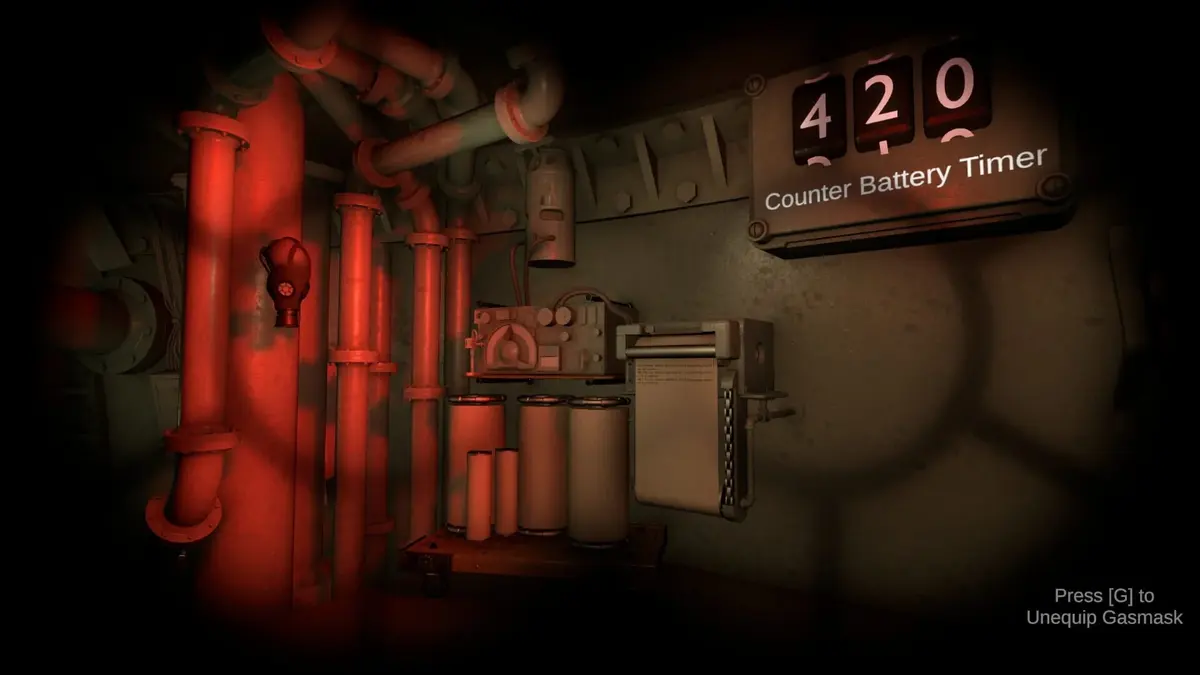
Objectives, medals, and upgrades give the mission structure additional shape, but they do not alter the game’s central demand. The player still needs to enjoy the act of doing things properly. Iron Nest has no interest in hiding its simulation instincts behind a frictionless interface. That honesty is refreshing, even when the routine becomes severe.
A One-Operator War Machine Has a Ceiling
Iron Nest is single-player only, and its entire structure is built around one person running every station. The operator reads High Command’s orders, handles the map table, enters firing data, manages the hydraulics, loads ammunition, and takes the shot. That concentration of responsibility gives success a satisfying personal ownership. When the solution works, there is no ambiguity about whose calculations and procedures made it happen.
The same design also makes the workload relentless. Every delay, every uncertainty, and every correction belongs to the player alone. There is no room for the rhythm changing through another role or another perspective; the experience remains tightly focused on the solitary act of making a firing solution function. For some players, that focus will feel immersive and disciplined. For others, it will make the turret feel less like a shared war machine and more like a demanding office built around a cannon.
I think Iron Nest is at its best when it embraces that loneliness. The sealed interior, the teleprinter messages, the paper-like map procedure, and the impersonal instructions from High Command form a convincing portrait of responsibility at a distance. The game makes the operator feel powerful, but never comfortable. Every successful bombardment comes from working through the system rather than overpowering it.
Who Should Operate the Iron Nest
Iron Nest is for players who enjoy military simulations, tactile machinery, map reading, and tactical systems that reward patience. It suits anyone who wants artillery to feel like an involved craft, where calculating a bearing can be as satisfying as taking the shot. The PC-only release on Steam and GOG.com gives that niche audience a focused, unusually hands-on simulation.
Players looking for rapid combat, constant visual feedback, or uncomplicated targeting should skip it. Iron Nest spends most of its energy making the firing process meaningful, and that means asking the player to accept its paperwork, precision, and repeated procedures as the point rather than the obstacle.
Bottom Line
Iron Nest: Heavy Turret Simulator earns an 8/10. Its map-based triangulation, teleprinter orders, firing computer, manual loading, and hydraulic gunlaying create one of the more distinctive artillery loops on PC. The solitary workload and relentless precision will narrow its audience, but for players who enjoy turning information into impact, Iron Nest makes every successful shot feel deserved.
FinalBoss // Gear
Level up your setup
01Top-rated gaming headsetson Amazon→02High-refresh gaming monitorson Amazon→03Gaming chairson Amazon→04Discounted game keyson Kinguin→
Affiliate links · As an Amazon Associate, FinalBoss earns from qualifying purchases.
Want to Level Up Your Gaming?
Get access to exclusive strategies, hidden tips, and pro-level insights that we don't share publicly.
Ultimate Reviews Strategy Guide + Weekly Pro Tips