
This is what actually blew up here: not a niche argument over whether one background looked a little too machine-made, but a credibility problem. Ironmouse says Neverness to Everness misrepresented its use of generative AI during sponsorship talks, and that is the kind of accusation that cuts deeper than the usual launch-week social media mess. If a creator asked a direct question, got a clean answer, and later found evidence that answer was slippery at best, the real story is no longer “did the game use AI?” It is “who exactly thought vague wording would hold up once players started zooming in?”
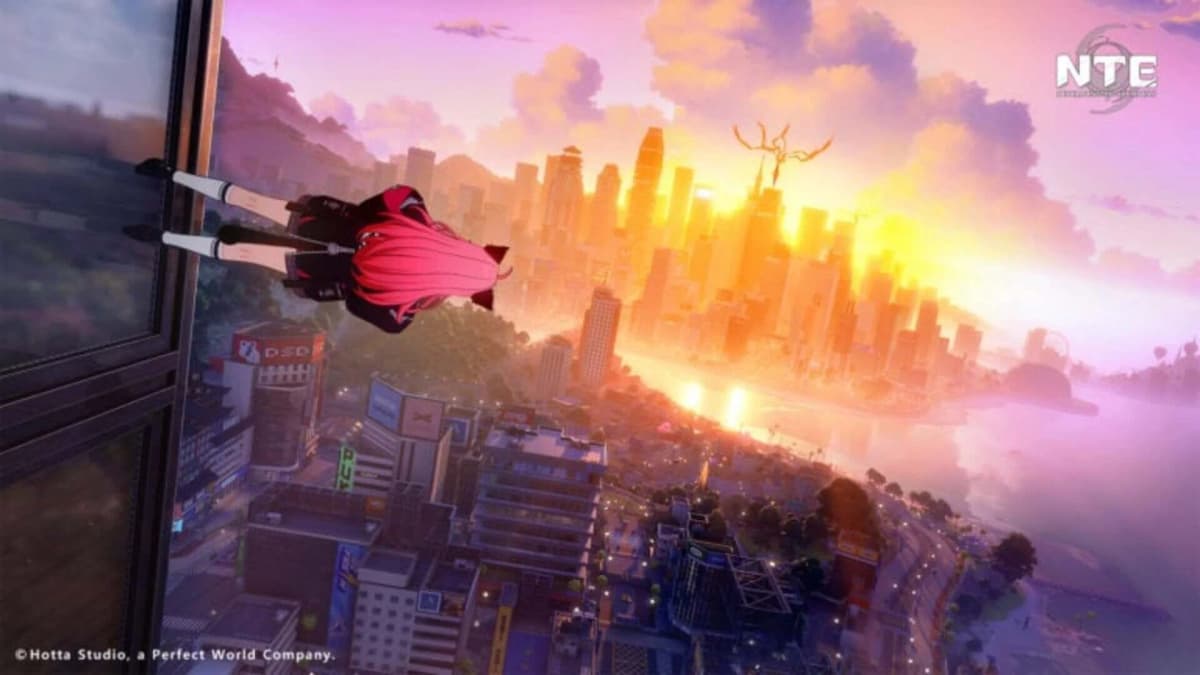
According to available reporting, Ironmouse publicly said she was told the game did not use generative AI in core assets, then reversed course, uninstalled the game, and canceled the sponsorship after community scrutiny surfaced imagery and design elements that players believed looked AI-generated. Some of that scrutiny focused on inconsistent visual details and promotional or in-game material that resembled imagery from Makoto Shinkai’s Weathering with You. Hotta Studio, as reported so far, has not issued the kind of full, clean statement that would settle the matter. The closest thing to a defense has been that AI may have been used for early atmospheric references or testing rather than final core assets.
Table of Contents (5)
This stopped being an art debate the second money got involved
That distinction matters. A lot. Players and creators can disagree about AI use on philosophical grounds forever; the industry has already made sure of that. But sponsorships are not philosophy seminars. They are business arrangements built on disclosure. If a studio tells a creator “we don’t do X,” and the creator takes that assurance into a paid partnership, any later walk-back to “well, only in some limited pre-production context” sounds less like clarification and more like lawyering the sentence after the invoice was already sent.
That is why Ironmouse pulling out lands harder than a standard influencer apology post. She is not just saying she dislikes AI art. She is alleging misrepresentation. That turns this from a culture-war argument into a trust-and-transparency problem, and publishers are much more vulnerable there. Gamers are used to PR spin. Sponsors are less tolerant when they think they were sold a cleaner story than reality.
The uncomfortable observation here is the obvious one: if Hotta’s position really was always “AI touched only early reference material, never core assets,” then that should have been stated clearly and publicly the moment the first accusations gained traction. Instead, the story has been shaped by clips, screenshots, creator reactions, and a growing sense that the studio is letting ambiguity do the heavy lifting. That is almost always a mistake.
The AI issue is real, but the bigger problem is the industry’s favorite loophole
Studios have started leaning on a very convenient distinction: “not in the final asset pipeline” versus “not used at all.” Technically, those are different claims. Practically, most players hear them as the same thing until someone gets caught splitting hairs. That gap is where these controversies keep happening.
And to be fair, there is still uncertainty here. Public reporting has not definitively established that Neverness to Everness shipped final core assets generated by AI. That point matters, and it should not be bulldozed just because the internet has already chosen sides. But uncertainty on the hard proof does not erase the communication failure. If the studio’s internal reality involved any AI-assisted ideation, referencing, mood boards, or visual prototyping, then the question becomes brutally simple: what exactly were sponsors told, word for word?
This is where experienced players can smell the pattern. We have already seen adjacent versions of this fight elsewhere: AI-driven image enhancement that alters art direction, AI-edited screenshots muddying what a game really looks like, and publishers learning the hard way that “technically true” is not the same as “honest enough.” The gaming audience is not confused about why this matters. Art pipeline decisions affect trust, and trust affects spend. Gacha games, in particular, live and die on whether players buy the fantasy being sold to them. If the aesthetic starts to feel synthetic in more ways than one, that fantasy cracks fast.
Neverness to Everness picked the worst possible genre to look slippery in
A premium single-player game can sometimes eat a controversy, issue a clarification, and move on. A live-service gacha does not get that luxury so easily. These games ask for recurring trust: trust in the roadmap, trust in the rates, trust in the cosmetics, trust in the “community-first” messaging, trust that what you are buying into is being made with some actual care rather than assembled by whatever cuts production time fastest.
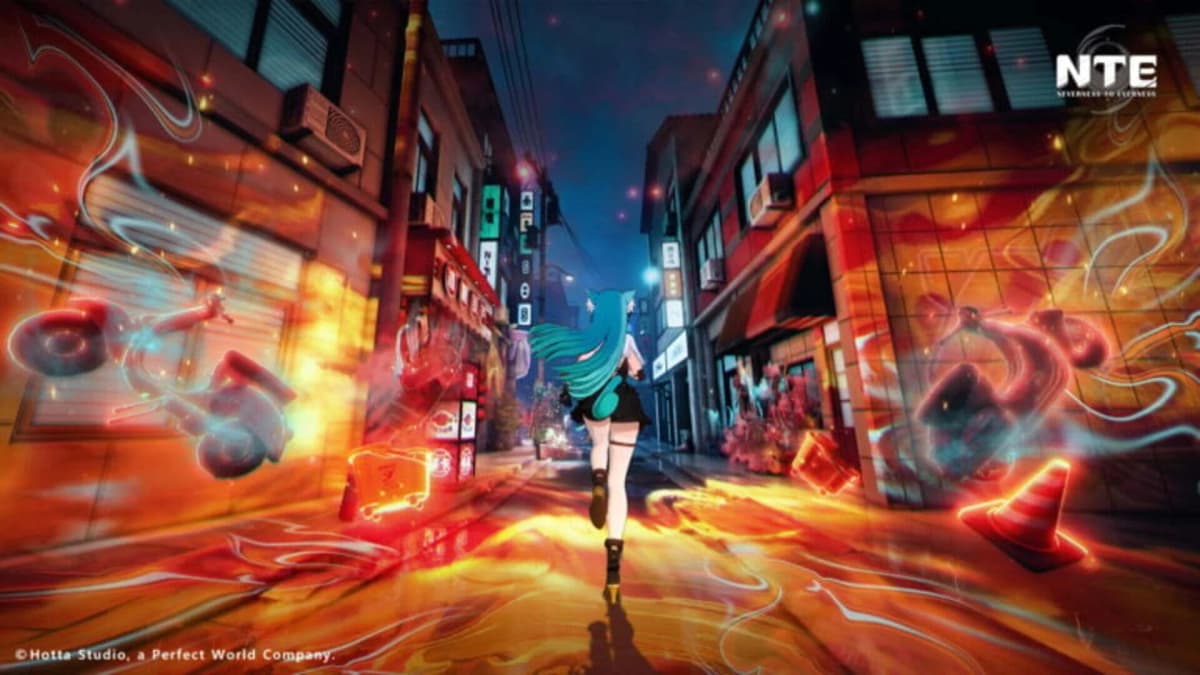
That is why this specific accusation is so toxic. Neverness to Everness is selling style as much as systems. Its anime-city identity is not garnish; it is the product. Once players start debating whether that identity was built with undisclosed generative shortcuts or imagery that comes uncomfortably close to recognizable inspirations, the game is no longer being judged on aspiration. It is being judged on authenticity. Those are very different scorecards.
There is also a reputational multiplier when a creator as visible as Ironmouse is involved. This is not just one sponsored segment disappearing from the schedule. It is a signal to other creators, agencies, and platform reps that this is now a “get it in writing” situation. The next publisher pitching a sponsorship around an AI-sensitive game just got a little more paperwork added to the process. Deservedly.
The question Hotta actually needs to answer
Not “do you support artists?” Not “was AI only used in a limited way?” The question is narrower and more dangerous: what representations were made to sponsors and press about generative AI usage, and were those representations complete? If the answer is yes, the studio should publish the policy and timeline. If the answer is no, then this becomes less a scandal about AI and more a self-inflicted PR wound caused by trying to outsmart basic disclosure.
That is the part PR teams always hope to dodge. They would rather argue definitions than produce a plain-English account of the pipeline. But without that, the vacuum gets filled by player forensics and creator blowback, which is exactly what happened here.
What to watch next
- A formal statement from Hotta Studio that goes beyond “early references” and spells out where generative AI was and was not used.
- Whether other creators quietly distance themselves or pause campaigns. That will tell you faster than any subreddit thread how serious the trust issue is.
- Any revision to sponsorship language, creator briefs, or FAQ material. If those documents suddenly get more specific, you have your answer about how exposed the studio feels.
- Whether the conversation shifts from AI usage to potential visual borrowing concerns. That second lane could become even messier if more side-by-side comparisons circulate.
My read is simple: this is bad for Neverness to Everness even if the most charitable version of Hotta’s defense turns out to be true. Because the damage here came from evasiveness, not just from the underlying tech. In 2026, players will forgive a lot faster than they will forgive feeling managed. Ironmouse did not make this story bigger than it was. She exposed how small and careful the studio’s wording may have been. That is usually the moment a controversy stops being online noise and starts becoming a genuine liability.
Verdict: until Hotta gives a detailed, unambiguous account of its AI pipeline and what sponsors were told, skepticism is the correct setting. Not outrage for sport. Skepticism with receipts.
FinalBoss // Gear
Level up your setup
01Top-rated gaming headsetson Amazon→02High-refresh gaming monitorson Amazon→03Gaming chairson Amazon→04Discounted game keyson Kinguin→Affiliate links · As an Amazon Associate, FinalBoss earns from qualifying purchases.
Want to Level Up Your Gaming?
Get access to exclusive strategies, hidden tips, and pro-level insights that we don't share publicly.
Ultimate Gaming Strategy Guide + Weekly Pro Tips