
Island Market Simulator just added 80+ items and near-finished co‑op — here’s what actually matters
Game intel
Island Market Simulator
Island Market Simulator is a relaxing shop management game where you run your own store on a beautiful island. Expand your business by buying making sure all y…
Why Devlog 2 Actually Matters
Island Market Simulator just took a big step from “chill shop tinkering” to a more reactive sandbox. The new devlog isn’t just more stuff; it targets the core feedback loop with a rebuilt reputation system, pushes co-op to 75% completion, and throws in weird, quest-driven flavor (witches, aliens, and a Pinocchio mechanic with a 20% backfire chance). If you bounced off the early build because it felt passive, this update is the studio saying: yes, your decisions should ripple across the island.
Key Takeaways
- Reputation is rebuilt to react faster and influence who shops with you (rich, middle, poor).
- 80+ new items (41 products, 40 crops, new shelves and registers) expand the economy-if the UI keeps up.
- Co-op is 75% done with synced farming, trading, quests, and decorations-the feature that could define this game.
- Cozy pacing stays intact via a Beer mini-game and “no bankruptcy,” while new NPC quests add personality and risk.
Reputation Finally Matters (And Could Reshape the Economy)
This caught my attention because shop sims live or die on feedback loops. In Recettear and Moonlighter, customer behavior is the puzzle; here, Zentium rebuilt reputation to respond faster, let decorations multiply influence, and dynamically shift your customer base. If your shop’s vibe is classy, expect more high-rollers; if you neglect the decor or service, you might pivot to staples for budget shoppers. That’s a meaningful lever, not just a passive “happiness” meter.
Questions I still have: how transparent is it? If players can’t see why reputation rises or falls, they’ll brute-force décor spam instead of playing the market. I want heatmaps, customer tooltips, and clear thresholds-think “this register style boosts premium buyers by 10%” rather than vague vibes. If Zentium nails clarity and pacing, reputation becomes strategy, not superstition.
80+ New Items Is Great—If the UI Can Handle the Sprawl
On paper, 41 new products and 40 crops are exactly the kind of content burst that keeps a cozy economy fresh. But more SKUs don’t automatically mean depth. The winners here will be systems that turn quantity into play: price elasticity between rich/middle/poor shoppers, crop seasons and inputs, and shelf/register specializations that create real trade-offs.
The five new shelf types and five registers hint at meta decisions—queue speed vs. upsell potential, footprint vs. capacity. But to avoid busywork, the game needs modern management tools: search/filter tags, batch pricing, demand graphs, and storage sorting. If you’ve played Shop Titans or even PlateUp, you know how much quality-of-life dictates whether “more items” feels like creativity or clutter. I’m optimistic, but this is the make-or-break detail.
Co‑Op at 75%: The Make‑or‑Break Feature
Co-op in shop sims is rarer than it should be. Stardew’s co-op works because it turns chores into collaboration; PlateUp makes chaos fun. Island Market Simulator promises synchronized progression across farming, animal husbandry, quest flags, trading, and decorations. That reads like true shared ownership, not the “guest gets nothing” model, and that’s huge.
But I want answers: Is progress tied to the host save? Are there anti-griefing tools so your buddy doesn’t tank your rep by redecorating with six toilet planters? How stable is netcode under heavy item throughput? Co-op shopkeeping gets spicy when two players split roles (front-of-house vs. supply chain). If Zentium leans into role specialization and frictionless syncing, this could be the feature that makes the game a streamer staple.

Want to Level Up Your Gaming?
Get access to exclusive strategies, hidden tips, and pro-level insights that we don't share publicly.
Ultimate Gaming Strategy Guide + Weekly Pro Tips
The Beer Mini‑Game and the Cozy “No Bankruptcy” Promise
The Beer mini-game is meant to smooth slow trading periods without breaking the cozy flow. There’s an amusing nod here to the real-world “Beer Game” supply chain exercise—fitting for an economy sim. More importantly, Zentium says you’ll never hit bankruptcy or hard downtime. That matches the Animal Crossing/Sun Haven side of cozy, not Recettear’s pressure cooker.
That design choice will divide players. If you want stakes and scarcity, “no bankruptcy” can read like a safety net that dulls tension. If you’re here to zone out and build a dream market with friends, it’s perfect. The rebuilt reputation might be the middle ground—less about losing the game, more about who you attract and what you can sell profitably.
Weird Quests Give the Island Personality
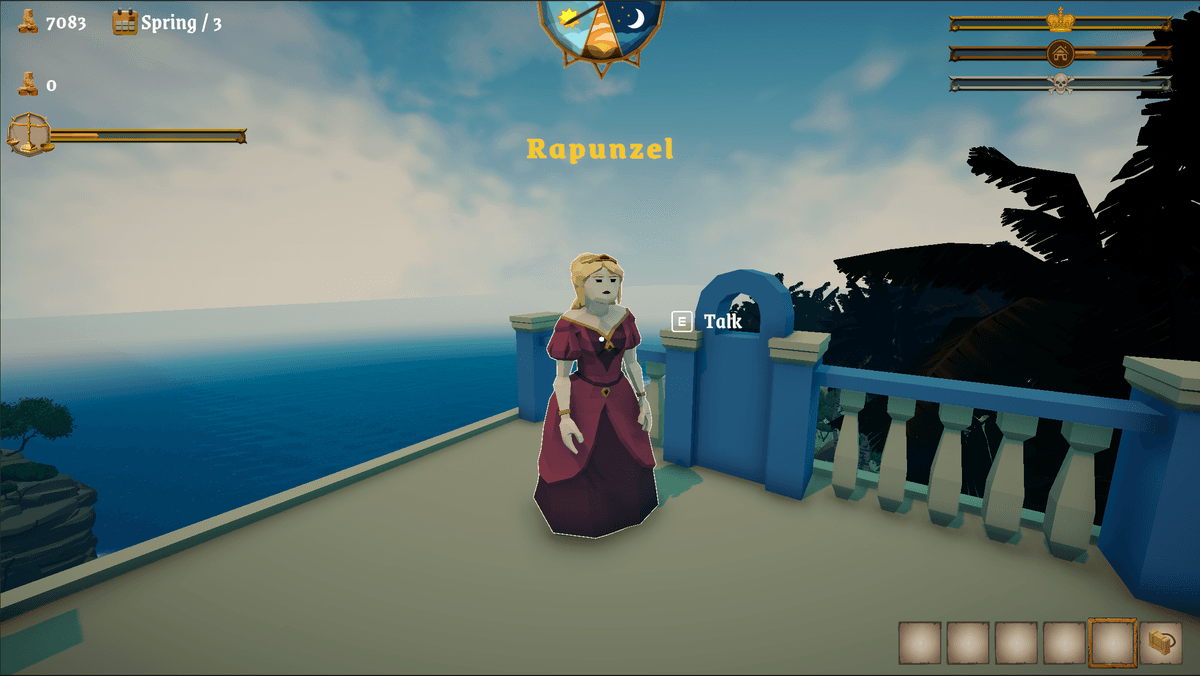
Aliens, a Witch, Rapunzel, and a Jack Parrow mini-quest—plus a Pinocchio mechanic that has a 20% reverse-effect chance—signal a shift from pure sim to whimsical RPG energy. It’s Graveyard Keeper-level oddball, which I’m here for. The question is whether these quests feed the economy (unique customer types, rare blueprints, temporary market buffs) or live off to the side as novelty. The best shop sims make story beats change how you trade; let the Witch scowl at exploitative pricing, or have the Alien demand offbeat crops that warp the market for a day.
What Gamers Should Watch Next
Co-op stability and save rules are the headline. Next comes economic readability: show us demand curves, make rep transparent, and keep inventory management painless as those 80+ items pile up. If Zentium hits those, the “Massive Interaction & Content Expansion” won’t just be a content dump—it’ll be the foundation for a genuinely reactive market playground.
There’s a free prologue if you want a low-stakes taste, and the team says co-op Early Access isn’t far off. I’ve seen plenty of cozy sims drown in their own bloat; this devlog reads like a plan to avoid that fate. Now it’s all about execution.
TL;DR
Devlog 2 rebuilds the economy’s heartbeat (reputation), floods the game with 80+ items, and gets co-op close to the finish line. If the UI, tuning, and netcode hold, Island Market Simulator could graduate from “cute shop toy” to a proper co-op market sandbox with personality. If not, it’s just more stuff.