
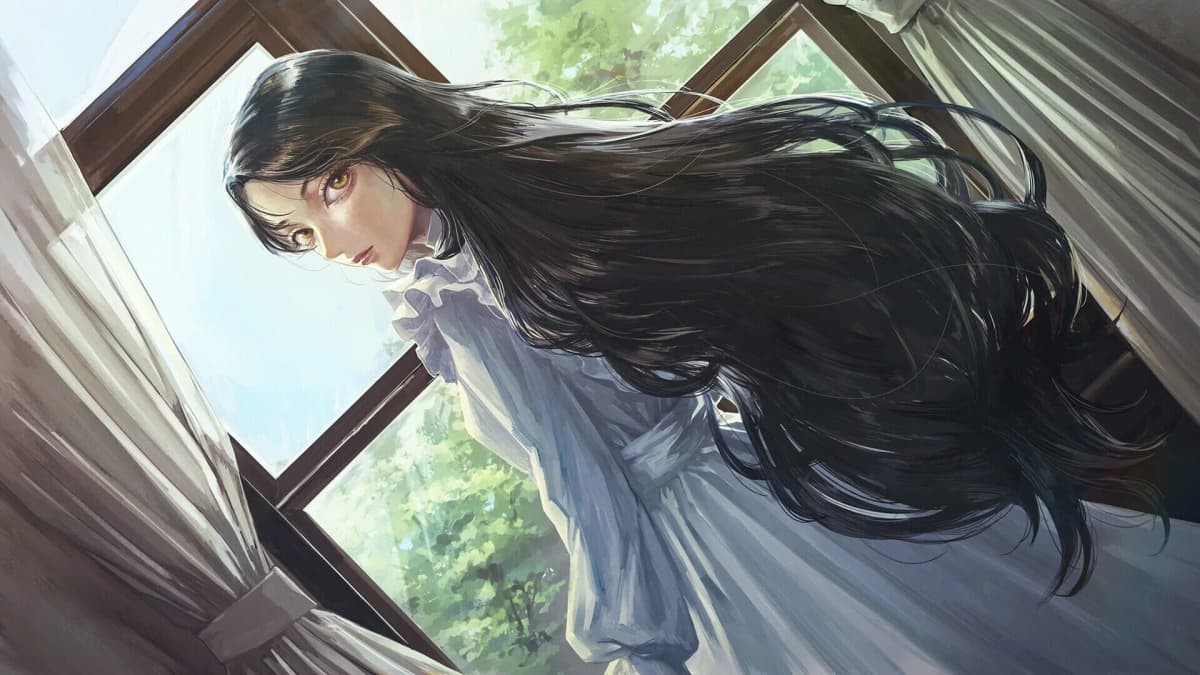
Iwakura Aria brings gothic secrets, nine endings, and yuri-tinged tension to Switch and PC
Game intel
Iwakura Aria
The Iwakura mansion holds a dark secret. Ichiko the new young maid joins looking for nothing but safety and security, but would soon find herself entangled wit…
Why Iwakura Aria Caught My Eye
I’m a sucker for a good mansion mystery, and when I saw “nine endings,” map-based sleuthing, and a painterly presentation, Iwakura Aria jumped onto my radar. PQube is bringing it West, and it’s developed by MAGES-the studio behind the Science Adventure series (Steins;Gate, Chaos;Head, Robotics;Notes). That pedigree matters. MAGES knows how to thread character drama with branching consequence, and the premise here-a 16-year-old maid navigating the secrets of an old-money household-sounds like a deliberate return to gothic VN roots.
Key Takeaways
- Nine endings with choices that ripple 33 years into the future—expect consequences, not just flavor text.
- Map exploration and a “Sketchbook” system promise more active sleuthing than the usual kinetic VN.
- Painterly, collage-style art direction aims to set a distinct mood—this isn’t boilerplate sprite-and-Textbox.
- Likely yuri-leaning relationships anchor the drama; keep in mind the protagonist’s age in how romance is handled.
Breaking Down the Announcement
Iwakura Aria is out now on Nintendo Switch and PC—£34.99/€39.99/$39.99 digitally, and a physical Switch edition at £44.99/€49.99/$49.99 for the collectors. You play as Ichiko Kitagawa, a 16-year-old orphan recruited to serve at the imposing Iwakura Mansion. On the surface: warm beds, warm smiles, and a porcelain-perfect heiress, Aria, to dote on. Underneath: the kind of generational rot that makes for great late-night reading.
The feature list hints at more interactivity than your average VN. A mansion map lets you poke around rooms to piece together information, which can be a game-changer if it’s more than just “click to advance.” Ichiko’s Sketchbook is a neat angle—her drawings don’t just express character; they reportedly hide clues, which could satisfy that itch for tangible discovery you get from detective VNs without bolting on awkward minigames.
The biggest swing is narrative structure. There are nine endings, and the copy explicitly calls out that your choices affect Ichiko’s life three decades after the core events. That kind of time-skip payoff is very MAGES: play a route, get burned, learn a truth, and carry it into a different path. Done well, it encourages replays because your knowledge has power—not just your save files. Done poorly, it’s bad-ending roulette. We’ll see where Iwakura Aria lands.
Visually, the “Renaissance Dream” direction is billed as painterly illustrations and cut-out frames that assemble multiple images into one scene. Think storybook collage rather than flat sprite staging. If the execution matches the promise, it could carve out a vibe closer to The House in Fata Morgana than a standard modern moe VN.
Industry Context: MAGES, PQube, and the Mansion Mystery Lineage
MAGES built its reputation on twisty, choice-heavy stories that reconfigure themselves when you revisit routes. Steins;Gate’s flowchart literacy set a standard VN fans now expect. So when I see “nine endings” and “33 years later,” my expectations shift from simple romance flags to structural reveals that only click once you’ve explored multiple paths.
On the publisher side, PQube has spent years localizing niche Japanese visual novels for Western audiences, especially on Switch where handheld reading thrives. That matters: physical VNs are still collector bait, and PQube tends to support that audience. Translation quality and UI polish are make-or-break for enjoyment; I’ll be watching for clean text flow, consistent terminology, and modern VN comforts like skip-seen-text, auto-advance granularity, and a robust backlog.
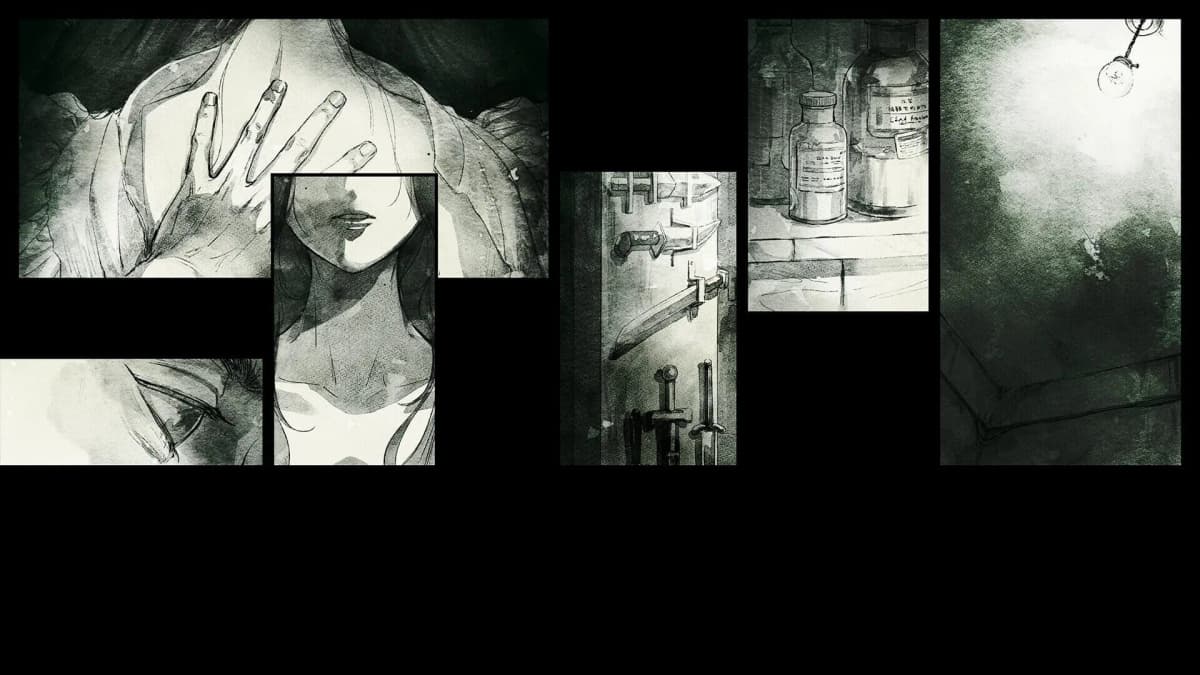
Genre-wise, Iwakura Aria slots into the classic “gothic mansion with secrets” lineage—think Umineko and Fata Morgana—while teasing bonds “from friendship to love” among the mansion’s women. If you’re craving yuri-tinged suspense over harem antics, this seems aimed squarely at you. One caveat: Ichiko is 16. The pitch frames her maturity as shaped by hardship, but I’ll be paying attention to how the romance beats are handled and what the content rating flags. If that’s a sensitive line for you, check the regional rating details before diving in.
Want to Level Up Your Gaming?
Get access to exclusive strategies, hidden tips, and pro-level insights that we don't share publicly.
Ultimate Gaming Strategy Guide + Weekly Pro Tips
What This Means for VN Fans on Switch and PC
The pricing sits in that mid-to-premium VN bracket. Without a stated hour count, value will come down to how substantial each route feels and whether the replays reward you with new perspectives rather than recycled scenes. The mansion map and Sketchbook are encouraging signs that the team wants discovery to feel active, not just passively read.
My wish list is straightforward: a route map or flowchart to manage multi-ending progress; clear indicators for locked content; and smart use of the 33-year epilogue mechanic so it’s more than a final text blur. If MAGES brings its A-game, Iwakura Aria could be one of those VNs you recommend with, “Trust me—see it through past the first ending.” If it fumbles, expect complaints about bad-ending traps and shallow exploration dressing.
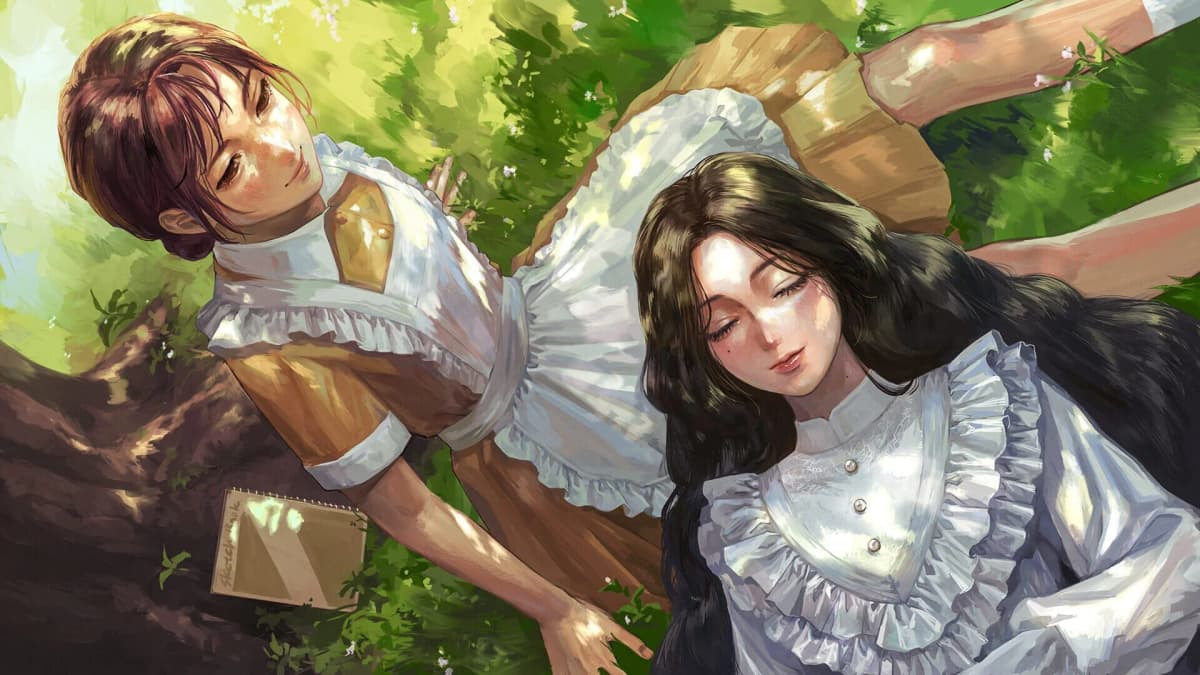
Bottom line: if you live for moody, character-driven mysteries with a romantic undercurrent and appreciate art direction that actually tries something, Iwakura Aria earns a spot on your backlog. If you need heavy gameplay systems or puzzles, temper expectations—this is still a visual novel first, sleuth sim second.
TL;DR
Iwakura Aria pairs a gothic mansion mystery with yuri-leaning relationships, painterly collage art, and nine endings that echo decades later. If MAGES sticks the landing, expect a replay-friendly VN that rewards curiosity; if not, it risks being another pretty house with shallow rooms.