
Joni Evers Returns: Rights Reclaimed, New Leadership, and a Shared-Universe Play From Causeway
Game intel
The Haunting of Joni Evers
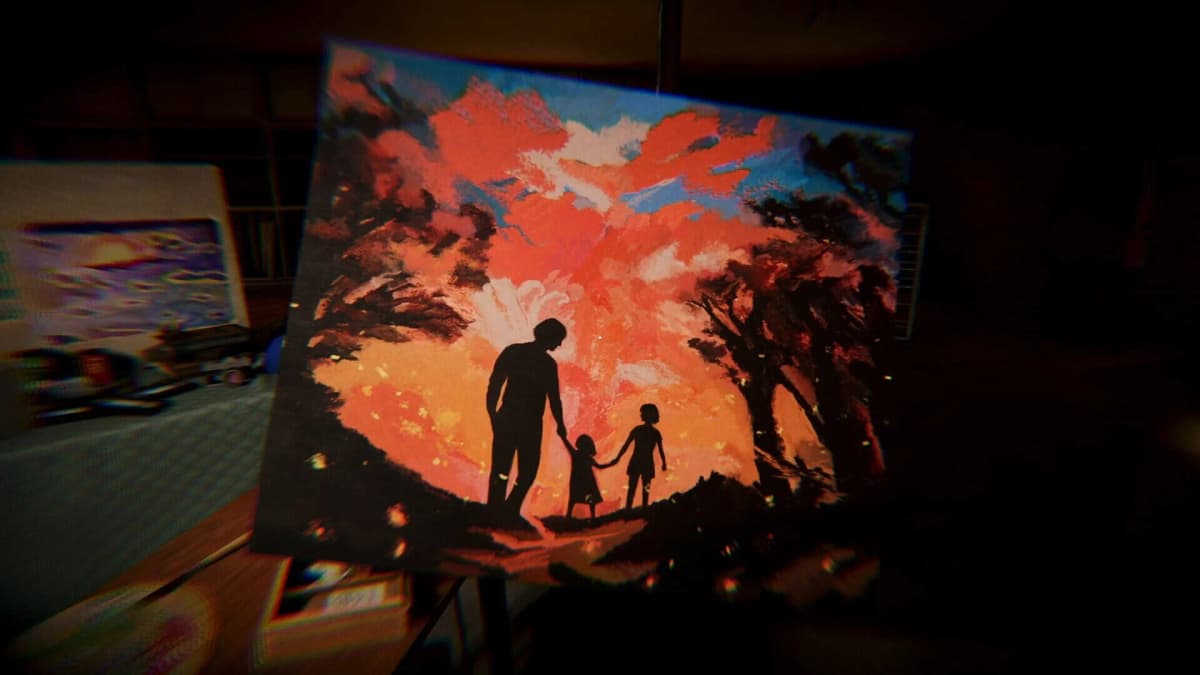
The Haunting of Joni Evers is a psychologically thrilling first-person strollplayer set in the small town of Harvest, Oklahoma. Confront, examine, and reexamin…
Why This Relaunch Caught My Eye
Indie studios don’t often get a second swing at their debut, but Causeway Studios just grabbed the bat. The team has relaunched its award-winning first-person narrative horror, The Haunting of Joni Evers, during Steam’s Scream Fest with a 30% discount, reclaimed publishing rights, and revealed industry veterans Amanda Farough and Mike Futter are joining leadership. Oh, and they quietly confirmed a follow-up set in a shared universe they’re calling The Worlds Across the Causeway. That’s a lot of signal in one announcement-and it says more about where the studio’s headed than a simple sale ever could.
Key Takeaways
- Causeway now fully controls Joni Evers-good for long-term updates, pricing, and platform strategy.
- 30% off during Steam Scream Fest is a smart discovery play if you missed the January launch.
- Leadership hires (Farough and Futter) suggest a more deliberate comms and business strategy.
- A follow-up in a shared universe hints at an anthology-style approach rather than a one-off.
Breaking Down the Announcement
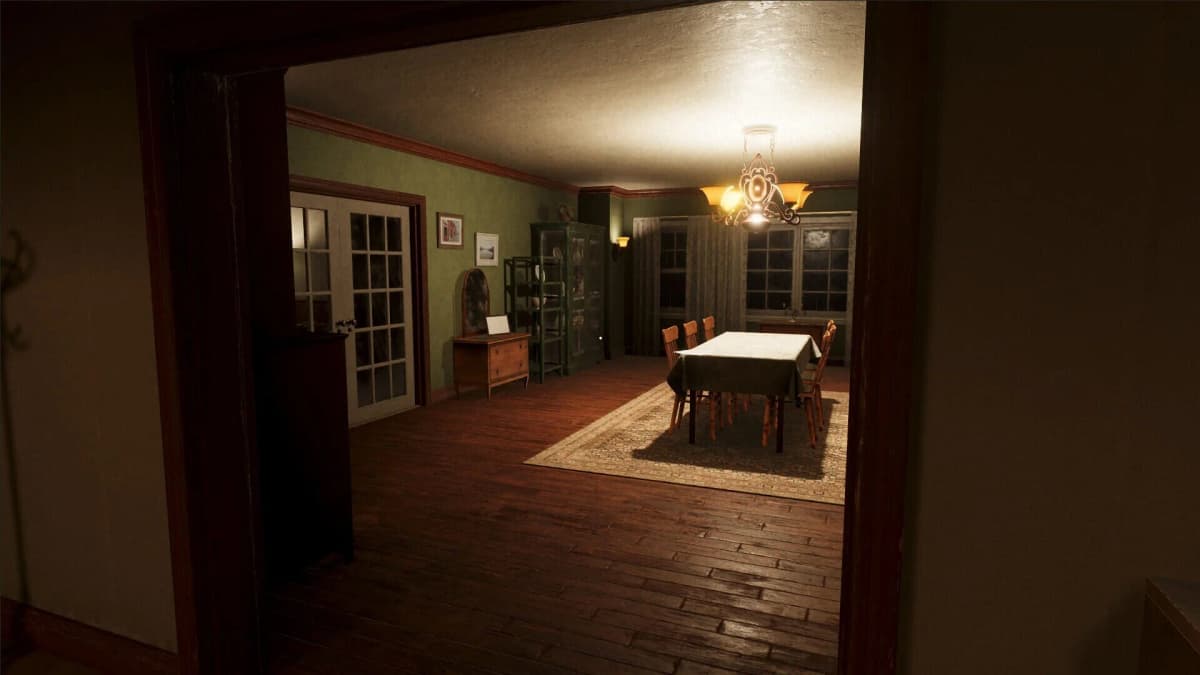
First, the relaunch. Reclaiming publishing rights isn’t just a legal footnote; it materially changes how an indie can support a game. With Joni Evers back under Causeway’s roof, the studio can tweak pricing, experiment with discounts beyond event cycles, and, crucially, plan updates or ports on their own schedule. If you already associate Joni Evers with tense, slow-burn exploration inside the sprawling Cunningham House-hotspot-driven interactions, one-item-at-a-time inventory, and a heavy emphasis on environmental storytelling—that core identity isn’t changing here. Causeway didn’t promise new content with the relaunch, which keeps expectations grounded: this is about autonomy and visibility, not a surprise Director’s Cut.
As for the sale, dropping 30% during Scream Fest is just smart timing. Joni Evers lives in that lane between “walking sim” and narrative adventure—think What Remains of Edith Finch’s introspection but wrapped in a haunted-house dread—and Halloween discovery traffic is precisely where games like this can find new fans. If the early domestic tasks (cleaning up after a party, moving through routine chores) initially turned you off, know that they’re table-setting for the psychological turn. The one-slot inventory and clear hotspot icons keep friction low; the tension is in the story, not “use tape on screwdriver” puzzles.
Why This Move Makes Sense Now
We’ve seen a wave of indies re-acquire rights a few months to a year after launch. The reason is rarely dramatic: once the heaviest lift of shipping is done, some teams want control over the long tail—discounts, bundles, localization opportunities, and console talks without splitting every decision. Doing this during Scream Fest maximizes eyeballs and, frankly, resets the conversation around the game. A rights handoff at 2 a.m. on a random Tuesday gets missed; a horror showcase relaunch doesn’t.
New Leadership, Real Signals
The hires matter more than the sale. Amanda Farough’s background in games media and community strategy typically translates to clearer messaging and player-first communication—useful for a studio building continuity across multiple narrative releases. Mike Futter (author of The GameDev Business Handbook and a longtime indie biz-dev consultant) is the kind of operator who helps small teams avoid nasty surprises around contracts, funding, and partnerships. If you’re teasing a shared universe, you need the infrastructure to ship consistently and keep expectations aligned. These are the kinds of hires you make when you’re planning the next two games, not just the next patch.
The Worlds Across the Causeway: Buzzword or Blueprint?
“Shared universe” can be hollow marketing—or it can pay off. Remedy’s connected universe (Control, Alan Wake) set a high bar; The Dark Pictures Anthology shows the appeal of standalone stories bound by tone and lore. Joni Evers already has the narrative bones for this approach: a small-town setting, generational trauma, and hauntings that feel personal rather than cosmic. If Causeway keeps the focus on character-driven horror and lets each entry stand alone with subtle connective tissue—recurring locations, cross-referenced newspaper clippings, familiar side characters—that’s a win. What I don’t want is wiki-bait lore dumps or cliffhangers that turn a self-contained story into homework.
What Gamers Should Watch For
- Quality-of-life updates: The one-item inventory works for simplicity, but optional multi-slot or “context stash” could reduce backtracking without breaking the vibe.
- Accessibility: Subtitles and color contrast options are table stakes; consider text scaling, audio cue visualization, and customizable interaction prompts.
- Localization: Self-publishing control could unlock more languages and reach beyond the English-speaking horror crowd.
- Platform plans: No new platforms were announced. If the follow-up lands, I’d expect Causeway to explore consoles once the pipeline is steady.
The Gamer’s Perspective
This caught my attention because it’s an indie doing the grown-up thing: take control, hire leadership with actual craft, and set the table for a consistent release cadence. If you bounced off Joni Evers at launch, the discount makes a revisit low-risk. If you love narrative-forward horror—Oxenfree, Finch, Layers of Fear’s quieter moments—this sits comfortably in that space. I’m hopeful the shared-universe pitch means Causeway doubles down on human-scale horror rather than chasing trendier PT-like jump-scare loops. Keep the pressure internal, keep the hauntings personal, and give us payoffs that respect our time.
TL;DR
Causeway Studios relaunched The Haunting of Joni Evers with a 30% Scream Fest discount, took back publishing control, hired seasoned leadership, and teased a shared universe. No new content was promised today, but the moves set the stage for smarter updates and a follow-up that could turn Joni’s world into a compelling anthology—if they keep the focus on character-driven dread over lore bloat.