
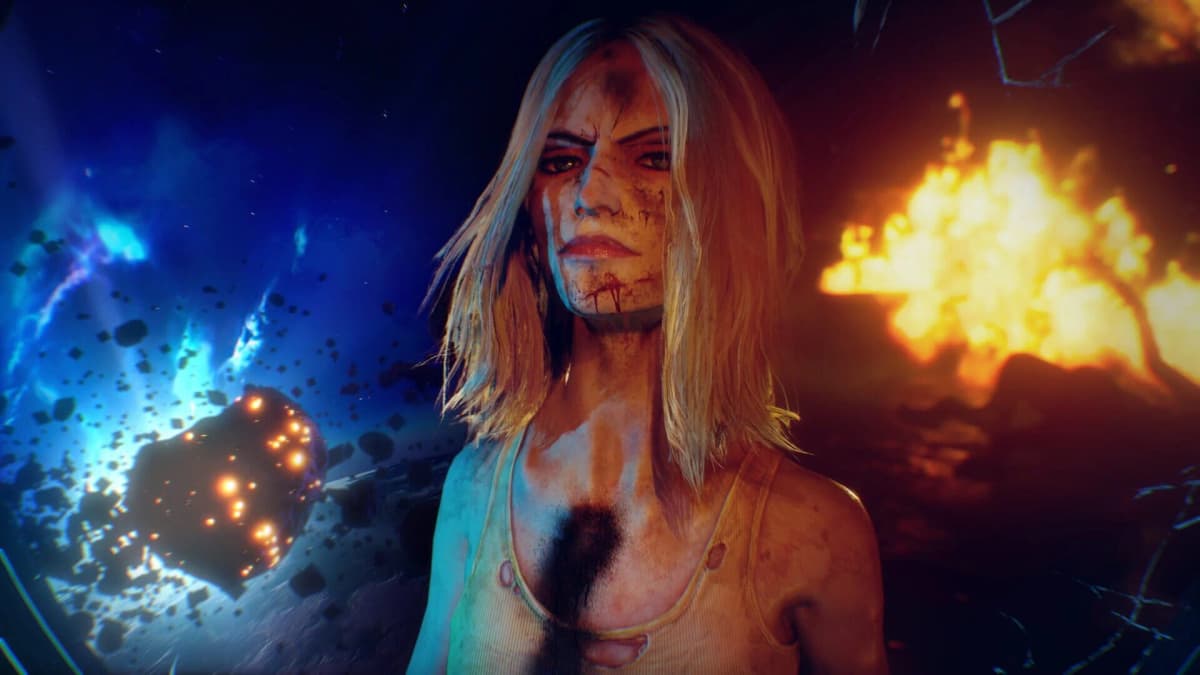
Judas: Release Window, Trailers, and the Real Story Behind Ken Levine’s Return
Judas: What Ken Levine’s Sci‑Fi FPS Actually Looks Like-and When We’ll Really Play It
This caught my attention because Ken Levine rarely ships a game that doesn’t set the tone for the next decade of immersive sims. But Judas has slipped from a targeted March 2025 window to the infinitely vague “coming soon,” and that changes how we should read every new trailer and preview. It’s a single-player sci-fi FPS from Ghost Story Games-Levine’s post-Irrational studio-bound for PC (Steam and Epic), PS5, and Xbox Series X|S. The BioShock DNA is obvious, but the real story is whether its big swing at modular narrative can land without taking another year (or two) to bake.
Key Takeaways
- The release window is now “coming soon.” 2025 is off the table; late 2026 feels optimistic, and 2027 isn’t crazy.
- Trailers show classic BioShock-style hand powers plus a biotech “green dot” tool, steampunk firearms, and mechs.
- “Narrative Lego” promises modular story choices where factions sabotage or support you—ambitious and risky.
- No live service, no online—buy it once, get the whole game. Expect a strong single-player focus.
Release Date: Reading Between the Silences
Judas is listed as “coming soon” everywhere. The previously floated March 2025 window came and went without an update from Ghost Story Games or publisher Take-Two. It skipped Summer Game Fest and there’s no solid sign of a Gamescom push. For a project of this budget and pedigree, a shadow-drop is fantasy—Take-Two will want months of controlled previews, creator segments, and a date-marketing blitz. If we follow standard AAA marketing cadence, a realistic scenario is a re-reveal with a firm date, then a 4-6 month runway. That lines up more with 2026; the fact that Take-Two now buckets Judas into “TBA” makes 2027 a distinct possibility if polish or scope is still moving.
I’m not mad about the delay—Levine’s teams traditionally deliver when given time—but “coming soon” after nearly a decade of incubation sets off every scope-creep alarm. If Ghost Story nails it, great. If not, we’ll be asking whether the systems were chasing a white whale.
Trailers and Gameplay: BioShock Bones, New Toys
The reveal at The Game Awards 2022 and the 2024 State of Play story trailer paint a sharp picture: the Mayflower space city has collapsed into ideological rot; Judas (our “mysterious and troubled” protagonist) needs out; and that means partnering with people she’d rather torch. You can’t miss the BioShock lineage—hand-based abilities that arc lightning to disable bots, a whip-like green energy that stuns, and a visible biotech “dot” interface on Judas’s palm that plugs into enemies and pops them like overripe fruit. Guns lean steampunk: a stout pistol, a crossbow, and possibly a melee hammer nodding at BioShock’s wrench.
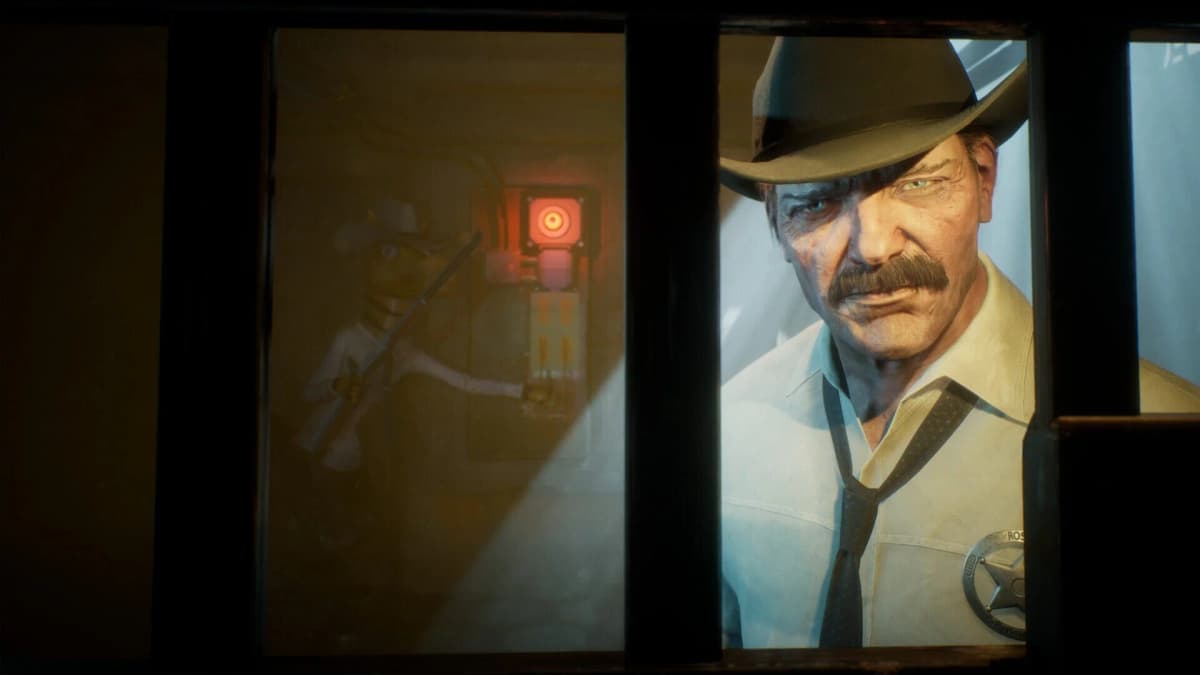
Enemies look more mechanical than spliced—equine robots patrol hallways, there’s a skittering laser-turret bot for early tutorials, and a canine mech appears to double as traversal. Don’t expect an open world; these sequences read like hub-and-spoke or chained linear zones, more “bathysphere to district” than “go anywhere.” That’s fine by me—tight level design is where Irrational shined.
“Narrative Lego”: The Promise and the Pitfalls
Here’s the big swing. Instead of a binary morality slider, Judas uses modular narrative blocks that shuffle based on your choices, with key NPCs—Nefertiti, Hope, and Tom—acting as factions that trail you, react to mission outcomes, and even sabotage you. Help one, and another might lock doors or kill your health stations mid-mission. Geoff Keighley’s hands-on made it clear this isn’t a simple “choose A or B” flow; it’s hand-authored content stitched in different arrangements.
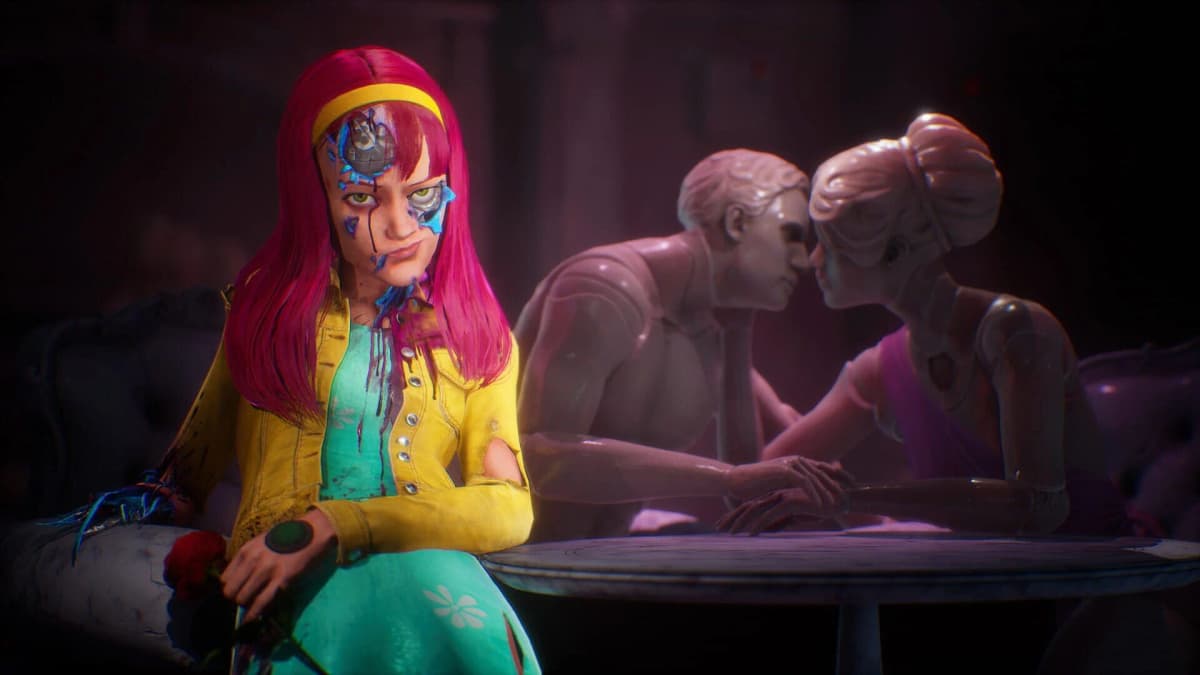
I love the ambition, but “infinitely replayable” claims trigger my skepticism. We’ve seen systemic storytelling flirt with greatness—Shadow of Mordor’s Nemesis system, Arkane’s reactive level loops—yet most games eventually show seams. The good news: Ghost Story says no generative AI, which signals a curated approach. The challenge is variety. If the same three characters gate the same four mission types, veteran players will pattern-break it fast. The magic trick will be making those permutations feel like authored surprises on run three.
Development Reality Check
Levine says Judas has been in the works for almost a decade, with a long pre-production and multiple iterations—a familiar tale for teams chasing new design territory. The studio has hired talent affected by the Arkane layoffs (reportedly 10-11 folks), which is a smart cultural match for an immersive sim. Importantly, Judas is “very old-school”: no live service, no always-online hooks. You buy it, you get the whole thing. That doesn’t rule out story DLC—BioShock’s Minerva’s Den and Infinite’s Burial at Sea were standouts—but it sets expectations for a complete day-one package.
What Gamers Need to Watch For
- Release momentum: a proper re-reveal with UI-on gameplay and media hands-on is your sign the date is real.
- System depth: do faction reactions meaningfully change mission routes, loot, and boss behaviors—or just flip switches?
- Performance and settings: PC specs, FOV sliders, input latency, and solid console performance modes matter for an FPS like this.
- Encounter variety: robots are cool; they also risk feeling samey. Mix in human AI, elite variants, and environmental hazards.
Looking Ahead
Judas looks like the true heir to BioShock’s blend of sharp worldbuilding and power-fantasy tinkering. But the longer it sits in “coming soon,” the more it needs to prove that its modular narrative isn’t just marketing poetry. Give me a 15-minute vertical slice with a faction betrayal mid-mission, a reroute through a different level wing, and a new boss outcome, and I’ll happily clear my 2026 backlog. Until then, file this under “cautiously hyped.”
TL;DR
Judas won’t hit in 2025. Expect a re-reveal and a long runway, likely pointing to 2026 or later. What’s shown—BioShock-style powers, faction-driven sabotage, and no live-service fluff—looks great. Now Ghost Story has to prove the “Narrative Lego” vision holds up past the first playthrough.