

Could Judas’ Villainy System Be a Game-Changer?
Judas finally speaks—and the Villainy pitch actually sounds ambitious
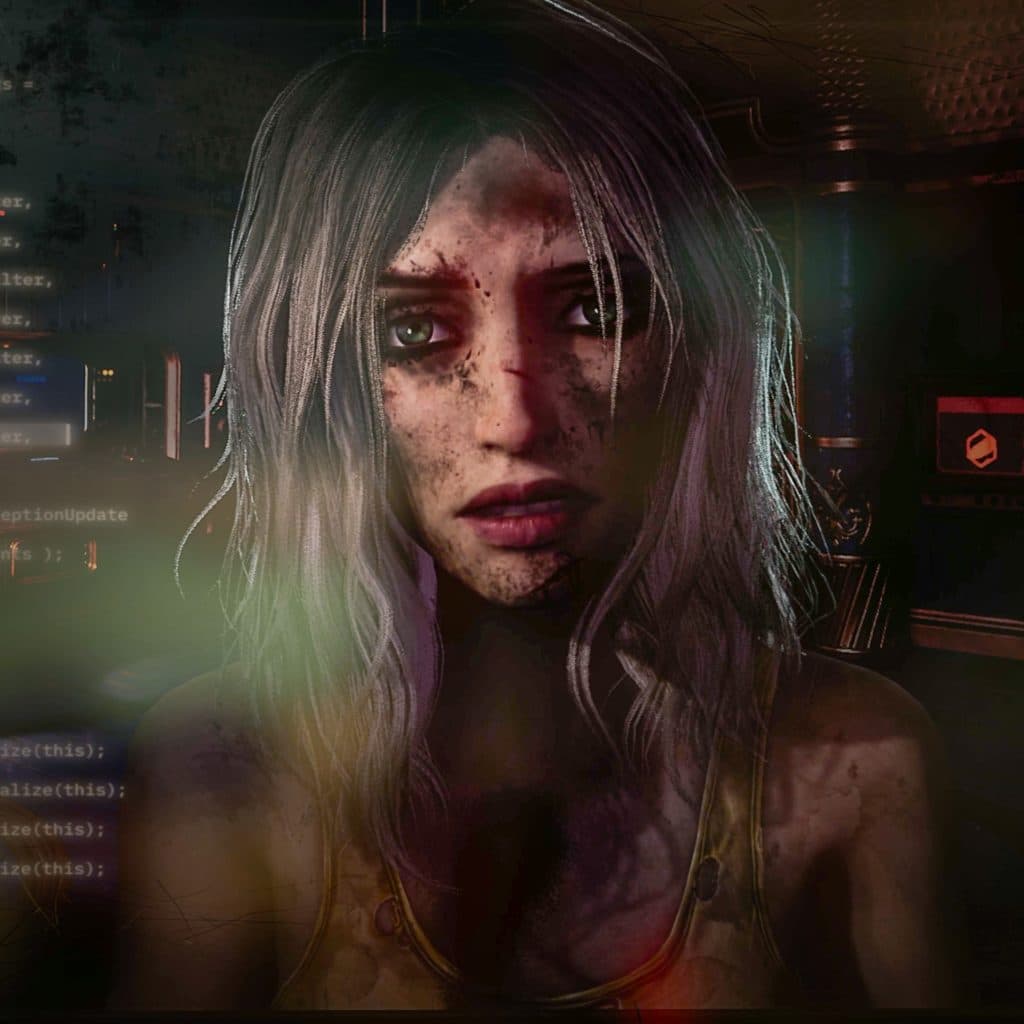
After nearly a decade in the shadows since BioShock Infinite’s Burial at Sea, Ken Levine’s Ghost Story Games finally broke its silence with a dev diary and striking new key art for Judas. For a series that pioneered immersive narrative in first-person shooters, this radio silence had veteran fans whispering “development hell.” Instead of a flashy trailer, the studio dropped a deeper look at a system called “Villainy,” a dynamic, Nemesis-inspired engine where three allies—dubbed the “Big 3”—can sour into outright foes based on how you play. As someone who still revisits System Shock 2 and BioShock Infinite to marvel at twisted narratives, this bold gamble caught my attention. Villainy promises the very systemic storytelling Levine has teased for years—and that’s exactly the kind of innovation that’s hellishly hard to pull off.
Key takeaways
- Ghost Story is shifting to frequent dev diaries, trading overproduced trailers for raw, progress-focused updates.
- “Villainy” places three major figures (Tom, Nefertiti, and Hope) in a shifting alliance with the player; neglect them and they become dangerous adversaries.
- It borrows from Shadow of Mordor’s Nemesis, but with deeper scripting and fewer characters meant to feel like real “friends.”
- No release date yet—expect Judas on PC, PS5, and Xbox Series X/S when it’s truly ready.
Unpacking the announcement
Ghost Story Games starts with a wry nod to its silence: “We know, we know… we’ve been quiet for a while. Making marketing things like trailers takes a lot of time and energy, and we’re trying to focus all our efforts on finishing Judas.” That transparency is refreshing. Rather than an overhyped event drop, the studio is setting expectations low on spectacle and high on substance. The core reveal is Villainy: a narrative system where three central characters court your favor, share intel, and help in combat—until you cross them. As Ghost Story puts it, “We want losing one of them to feel like losing a friend… The members of the Big 3 will all compete for your favor and attention… In Judas, the Big 3 watch you play and form impressions not only about your approach to combat, hacking, and crafting, but especially about your interactions with the other two characters.”
The Big 3 in detail
Drawing on new research and the studio’s dev diary, we know the Big 3 each have distinct worldviews aboard the generational ship Mayflower:
- Tom: A humanist intent on preserving mankind’s organic legacy.
- Nefertiti: A Nobel-winning engineer determined to shepherd humanity into a mechanical perfection.
- Hope: Their adopted daughter, longing to be erased to protect those she loves.
As Judas—a revolutionary who breaks free of the ship’s oppressive AI—your choices ripple through their philosophies. Craft a prototype weapon that wows Tom, and he’ll call in favors; unlock a cyber-upgrade for Nefertiti’s research, and she might bypass security protocols for you. But ignore Hope’s covert data-gathering quest, and she warily logs your actions—potentially selling you out when you least expect it.
Why systemic narrative is so brutal to engineer
Levine has long spoken of “narrative systems” that remix authored story beats into something interactive. On paper, Villainy is exactly that: a procedural engine marrying written drama with emergent consequences. But most attempts collapse into shallow loyalty meters or binary “good/evil” splits. Shadow of Mordor succeeded because its orc Nemesis felt unpredictable, but it leaned on abstract orc hierarchies and randomized scars. Judas aims for far tighter stakes: fully voiced, deeply written avatars at the heart of its plot. Missed dialogue prompts could turn Hope hostile hours later. Craft the wrong bio-upgrade and Nefertiti might lock you out of key research doors.
Hypothetical playtest anecdote
(Hypothetical playtest scenario): In one internal test, a player bypassed Hope’s side quest to rescue stranded colonists, focusing instead on Tom’s combat training. Hours later, during a critical hacking sequence, Hope intercepted their decryption key, citing “mistakes you made earlier.” The result: a tense firefight where Nefertiti, sidelined by low rapport, refused to send her engineering drones for support. The team calls this scenario “the betrayal dance.” Though unpolished footage, this messy clip hints at Villainy’s stakes—your casual cold shoulder can erupt into a life-or-death twist long after you think you’re safe.
Evidence and developer perspective
Ghost Story’s dev diary doesn’t shy from ambition. According to lead systems designer Maria Flores, “We’re not just tracking whether you say ‘yes’ or ‘no’ in a dialogue wheel. We watch your playstyle across combat, hacking, and crafting loops. We track whose trust you lean into, and build that into each Big 3’s attitude.” In a recent studio Q&A, creative director Jon Green also emphasized that Villainy’s complexity “is our biggest technical hurdle—getting performance, memory, and narrative coherence to align.” No wonder there’s no firm 2025 launch window yet.
Why this matters for the immersive sim
The immersive sim genre has been craving a headline system to match Arkane’s level-design wizardry and Larian’s branching megastories. Baldur’s Gate 3 proved reactive writing can scale, but it relies on dialogue trees and status effects. Judas is aiming for a living web of cause and effect, where your favored ally today could ambush you tomorrow. If Ghost Story nails this with just three characters, it could spark a wave of mainstream FPS titles making your playstyle carry real emotional weight—beyond the usual cutscene choice.

Transparency and expectations
Frequent dev diaries help demystify development, but they’re not proof of polish. Ghost Story admits that even acknowledging Villainy’s scope “was like opening a pressure valve.” The lack of a release date suggests the team is still wrestling with complexity—and that’s a good sign. We’d rather see the studio delay a trailer than ship a system that collapses under scripting shortcuts and crunch.
What gamers should watch for next
Three benchmarks will show whether Villainy is more than a buzzword:
- Unscripted moments: Public demos where a minor behavioral choice triggers a significant relationship shift hours later.
- Long-term consequences: Branches that don’t funnel back into a single “good vs. evil” endpoint but persist through mid- and late-game.
- UI transparency: Clear feedback on alliances and tensions—enough to role-play without min-maxing a hidden spreadsheet.
Conclusion: an editorial verdict
Villainy sits at the razor’s edge of narrative ambition and technical risk. On one hand, fewer, better-written characters could deliver gut-punch moments that replayable FPS stories have lacked since BioShock Infinite. On the other, the system could slip into the familiar trap of binary “trust/traitor” meters. My verdict: Judas looks promising, but it’s a watch-and-wait proposition. Until we see real unscripted demos and hard metrics—like how many players experience unexpected ally flips or how relationship states persist across sessions—I’m tempering excitement with caution. If Ghost Story can prove that Villainy delivers dynamic, dramatic twists without resorting to token gestures, Judas could be the genre’s next giant leap. If not, it risks becoming another ambitious system that evaporates under scripted spectacle.