

Judas’ Villainy system turns companions into nemeses
The hook: friends today, nemesis tomorrow
This announcement caught my attention because Ken Levine has been teasing “narrative Legos” for a decade – modular storytelling that reacts to your choices in ways that feel personal, not just checkboxy. With Judas, Ghost Story Games says that vision finally has teeth: the studio finished its Villainy system, where any of the game’s “Big 3” companions can slide from ally to arch-nemesis based on how you treat them, then gain bespoke powers to actively sabotage your run. Think Middle-earth: Shadow of Mordor’s Nemesis system, but aimed at characters you actually spend time with rather than an orc org chart.
- Villainy is done: a milestone, not a release date.
- Any of the Big 3 can become your personal big bad.
- Nemesis-like reactivity, but focused on relationships and story beats.
- Replayability lives or dies on how deep those systems really run.
Breaking down the announcement
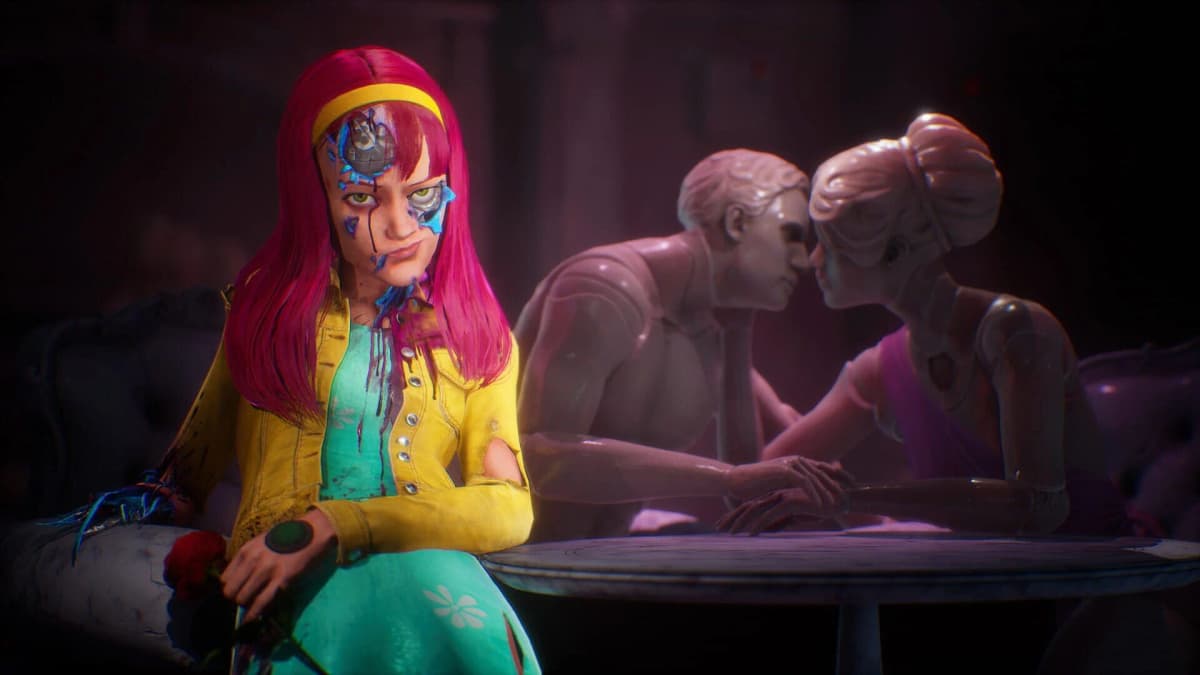
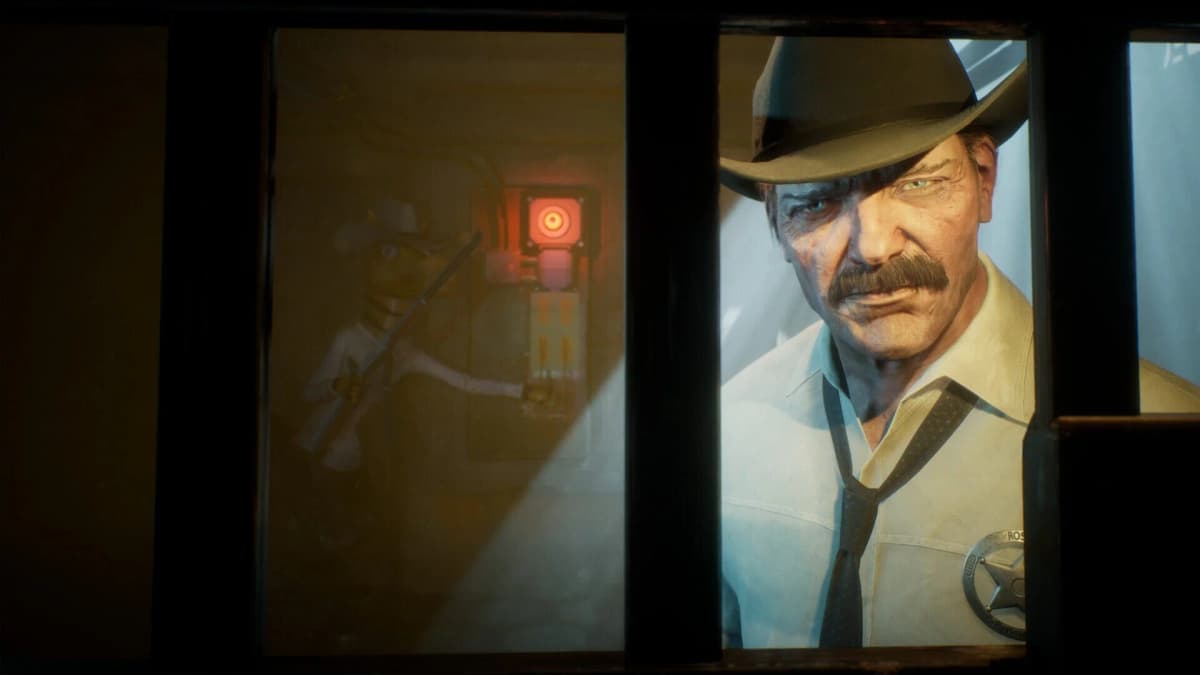
Here’s the pitch: your choices attract members of the Big 3 to your side. Ignore one long enough and they flip into the VILLAIN, unlocking a suite of powers that directly undercut your progress. The one example Ghost Story shared features Tom – the moustachioed sheriff archetype – sabotaging a Rent-A-Deputy machine. With Tom as a friend, those kiosks spit out AI deputies that back you up. With Tom as your nemesis, he rigs the system so the bots spawn hostile and hunt you instead. It’s not just flavor text; it alters combat dynamics and resource access.
Levine compares Villainy to the Nemesis system, but pushes character intimacy: bribes, rescues in combat, trash talk, dark secrets. The goal is emotional risk. Losing a companion shouldn’t be a meter moving from green to red; it should feel like a betrayal you helped author. That’s a spicy promise in a genre where “immersion” often stops at audio logs and color-coded keycards.
Why this matters now
Immersive sims thrive when systems collide: powers, level design, AI routines, narrative context. The genre’s high points — System Shock 2, Deus Ex, Prey, Levine’s own BioShock — are remembered because player intent and world logic spark unexpected outcomes. For years, though, relationships in these games have been mostly scripted. Even excellent reputation systems in Bethesda and Obsidian RPGs tend to be spread across factions, not concentrated on a handful of named, reactive characters who can upend moment-to-moment gameplay.
Layering Nemesis-like reactivity onto companions is clever for two reasons. First, it dodges the “patented orc ladder” problem by focusing on authored characters rather than procedural warlords. Second, it centers the drama where players invest most: the people you quest with, bargain with, and probably disappoint. If Villainy is doing real work under the hood — changing spawn tables, combat support, level affordances, and even mission logic — Judas could push immersive sim reactivity beyond “multiple endings” into runs that actually feel different minute by minute.
This also slots neatly into Levine’s long-stated “narrative Legos” ambition: modular, recombining story blocks that reflect who you’ve angered, who you’ve ignored, and who you’ve charmed. If Ghost Story pulls it off, you won’t just see different cutscenes; you’ll feel it when a friendly voice on comms goes silent — and a hacked turret now recognizes you as target number one.
Hype vs. headaches: the gamer’s perspective
I love the promise here, but there are obvious pitfalls. Companion systems can devolve into meter babysitting if not designed carefully. If Villainy is triggered by “you didn’t talk to Tom for two missions,” that’s not emotional risk; that’s chores. The design win is when neglect is a consequence of your playstyle and priorities, not a checklist you forgot to tick.
There’s also a balance question. If a flipped companion can meaningfully cripple your build — turning a core ally-spawning machine into a death trap, for example — does Judas offer counterplay? Can you re-earn trust? Recruit a different support system? Or are you locked into a spiteful spiral that punishes experimentation? The best immersive sims let you improvise your way out of bad decisions without save-scumming. I want to see Judas embrace that philosophy, not weaponize it against the player.
Replayability is the other big claim. It only sticks if content breadth matches systemic ambition. One villain-specific power per character won’t cut it; we’ll need multiple sabotage vectors, unique encounter types, and narrative branches that collide in surprising ways. Give me a run where Tom’s vendetta changes patrol routes and vendor stock, and another where a different Big 3 member poisons a questline so a boss shows up early with new mechanics. That’s how you earn the “every playthrough is different” tagline without the smoke-and-mirrors.
Want to Level Up Your Gaming?
Get access to exclusive strategies, hidden tips, and pro-level insights that we don't share publicly.
Ultimate Gaming Strategy Guide + Weekly Pro Tips
The context Ghost Story can’t ignore
Ghost Story has been quiet for a long time, and there’s still no release date — Levine says he’s not ready to “finalize that.” Finishing Villainy sounds like a core pillar clicking into place, which is encouraging. But the longer Judas stays in the oven, the higher expectations climb, especially with BioShock’s future in flux and industry eyes watching how Levine’s post-Irrational studio pays off its pitch.
Meanwhile, the wider field has moved. Arkane’s immersive sim chops have been questioned after Redfall, but Prey and Dishonored still set a high bar for systemic coherence. If Judas wants to be the next landmark, it needs crisp gunfeel, inventive powers, and levels that invite mischief. Villainy can’t be the only headline; it has to be the connective tissue that makes every encounter unpredictable.
What I’ll be looking for next
- How many unique villain abilities per Big 3 member — and do they stack over time?
- Can relationships be repaired, or do nemeses lock permanently?
- Do Villainy shifts alter mission structure, not just combat tuning?
- Is there readable UI/feedback so flips feel earned, not arbitrary?
TL;DR
Judas’ Villainy system sounds like the most exciting stab at relationship-driven reactivity we’ve seen since Nemesis — and it’s finally feature-complete. If Ghost Story marries that system to great level design and meaningful counterplay, we might get the first immersive sim in years where losing a friend changes everything. If not, it risks being another flashy meter with good PR.