
This caught my attention because Ken Levine is trying something familiar yet risky: turning the enemy into a consequence of how you live inside a story, not a predetermined beat. Villainy promises emotional betrayals that emerge from everyday choices – and that could rewire how narrative shooters handle player agency.
Judas’ Villainy: When Friends Become Your Biggest Threat
- Emergent antagonists: One of three central characters becomes a tailored villain based on micro-actions, not a scripted switch.
- Integrated systems: Villain powers affect gameplay (ship systems, enemy spawns, mission outcomes) rather than only story beats.
- Deep R&D: Ghost Story spent roughly five years building responsiveness to small player behaviors – a technical and design challenge.
- Replay value & risk: High replayability if balanced; danger of players gaming affection systems or producing narratively incoherent outcomes.
{{INFO_TABLE_START}}
Publisher|Ghost Story Games (developer)
Release Date|TBA – polish phase; mid‑to‑late 2026 window hinted
Category|Narrative first‑person shooter / Roguelike hybrid
Platform|Confirmed PS5; PC likely (Steam/Epic) — other platforms unconfirmed
{{INFO_TABLE_END}}
Ken Levine’s one‑line pitch — a “Judas simulator” — is purposely provocative. Rather than handing players a fixed villain like Fontaine or Comstock, Judas reportedly calculates who among the “Big 3” (Tom, Nefertiti, Hope) will snap and become your antagonist, driven by sequences of small choices: favored quests, saved lives, conversational slights. That design goal alone deserves attention: it’s an attempt to make betrayal feel earned and personally painful instead of theatrical.
What makes Villainy interesting on paper is its scale. Ghost Story claims the system watches micro‑actions across playthroughs and then grants the chosen antagonist a bespoke suite of sabotage tools — from disrupting ship systems to spawning tailored encounters. That moves agency into the mechanical layer: your social choices have gameplay consequences, not just different dialogue lines.
As someone who’s followed Levine since BioShock, I appreciate the ambition. BioShock traded player freedom for a tightly composed moral puzzle; Villainy tries the opposite: a living moral problem where the stakes shift based on how you behaved in mundane moments. The emotional payoff — “I lost a friend” — is more likely to land when it grows from intimacy, and that’s the hook here.

That said, the risks are real. Systems that aggregate “favor” from micro-actions can be opaque; players will want clear feedback so they don’t feel blindsided by a villain turn. Balancing is another headache: a poorly tuned villain could trivialize runs or create impossible dead ends, especially in a roguelike loop where punishment compounds across attempts. The five years of R&D cited by the team suggests they know those headaches exist and tried to mitigate them, but until we play a full build, skepticism is warranted.
Technically, tracking and responding to nuanced behavior at scale — with believable dialogue, branched scenes, and mechanical alterations to the Mayflower — is expensive. Voice acting for 100+ roles and branching content is a strong production signal, but it also raises questions about narrative cohesion: will every villain arc feel distinct, or will the system default to a small set of reusable beats dressed up by variables?
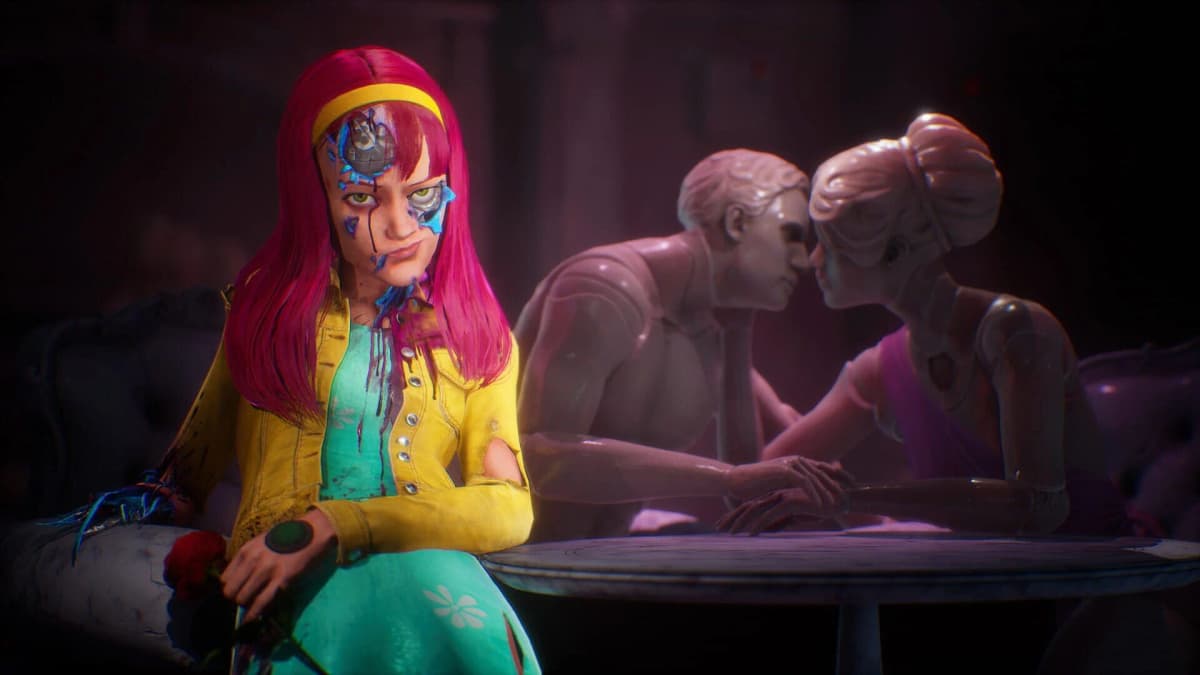
For players, the practical takeaway: be deliberate. Villainy rewards patterns more than single big choices; the same routine of favoring one character over another will likely lock you into emotional consequences. For enthusiasts, Judas promises a testing ground for how much authorship a player can have before the story fractures.
What this means for you
If Ghost Story nails Villainy, Judas will be a must‑play for fans who want narratives that bite back. Expect high replayability driven by social calculus instead of purely combat or loot loops. If the system is unclear or unbalanced, the headline mechanic could feel like a gimmick — dramatic in trailers, frustrating in practice. Keep an eye on upcoming dev diaries and public builds; they’ll show whether Villainy is tuned to be emotional and fair.
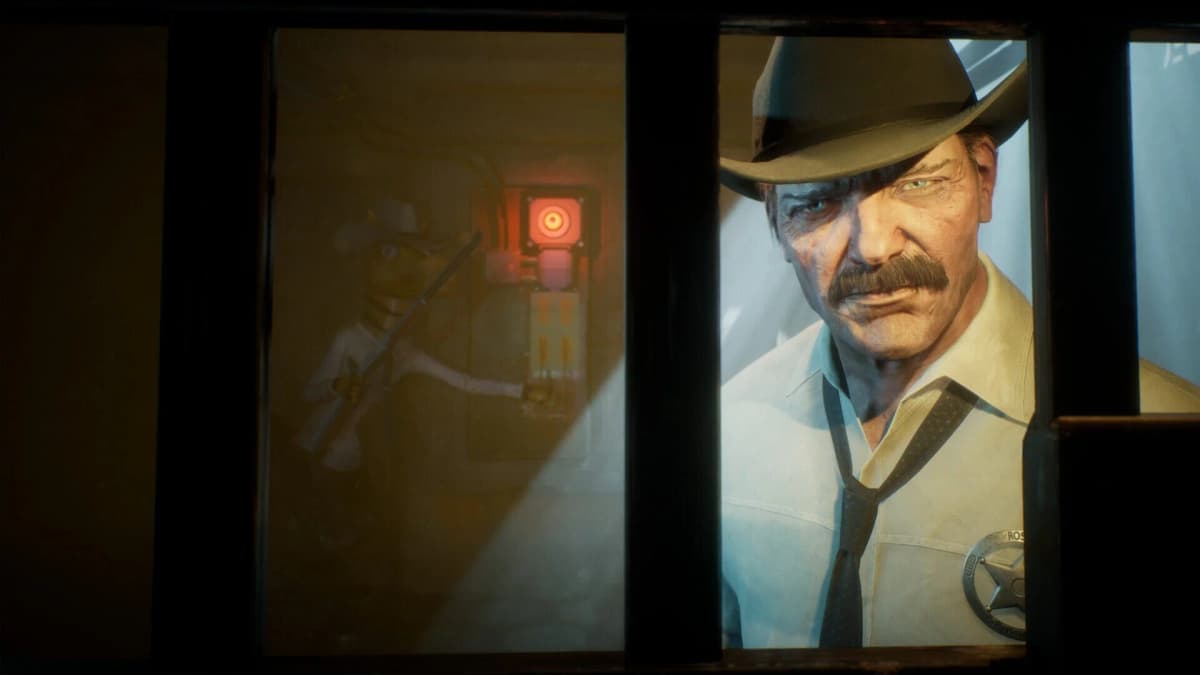
Platform note: PS5 is confirmed in dev updates; PC release remains the most likely companion given Levine’s history and the studio’s audience. No firm date yet, but the team has moved into polish and community previews — a mid‑to‑late 2026 release window is plausible.
TL;DR
Villainy is an ambitious attempt to make your social choices create a living antagonist. It could redefine agency in narrative shooters if Ghost Story balances transparency, mechanical impact, and emotional payoff. I’m excited but cautious — this is the kind of experimental design that either becomes a new storytelling template or a cautionary tale about systems over story.
FinalBoss // Gear
Level up your setup
01Top-rated gaming headsetson Amazon→02High-refresh gaming monitorson Amazon→03Gaming chairson Amazon→04Discounted game keyson Kinguin→Affiliate links · As an Amazon Associate, FinalBoss earns from qualifying purchases.