
Junji Ito Maniac: An Infinite Gaol turns Ito’s nightmares into first-person horror
Game intel
Junji Ito Maniac: An Infinite Gaol
Junji Ito Maniac: An Infinite Gaol is a first-person survival horror game inspired by Junji Ito's psychological horror and eerie aesthetics. This work centers…
This announcement grabbed me for one reason: it’s an official Junji Ito game
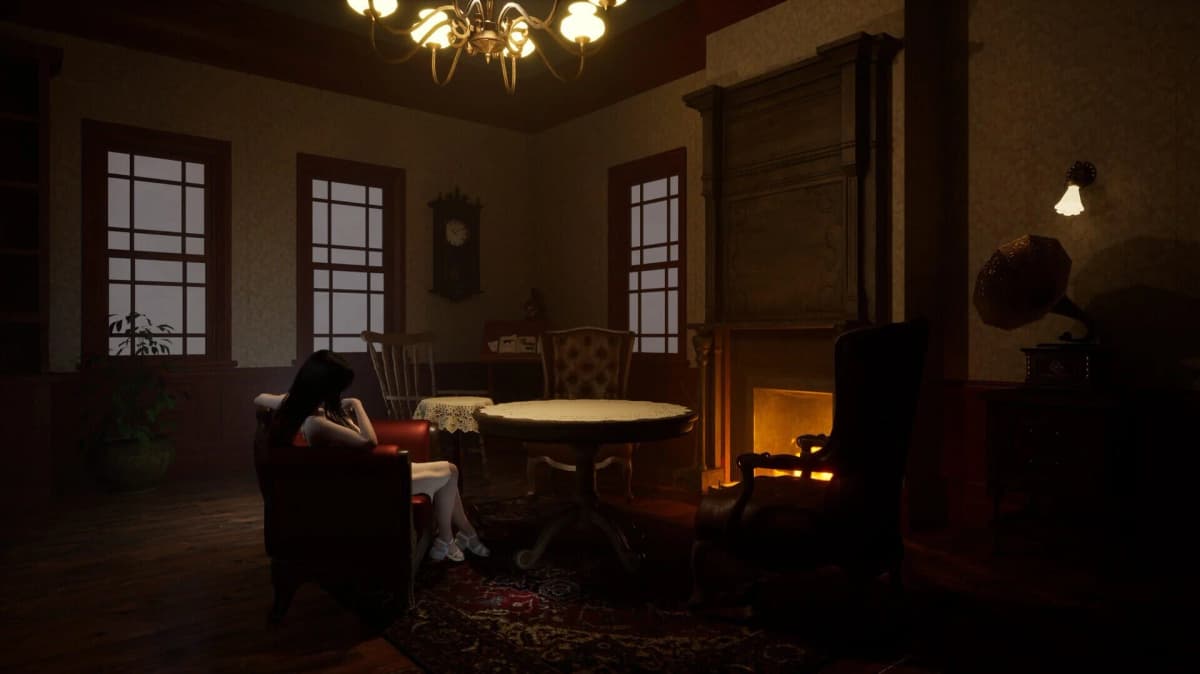
We’ve had plenty of games inspired by Junji Ito’s brand of skin-crawling weirdness, but official adaptations are rare. Taiwanese studio Softstar just revealed Junji Ito Maniac: An Infinite Gaol, a first-person horror game adapted from the anime Junji Ito Maniac: Japanese Tales of the Macabre. The 15-second teaser doesn’t say much, but it does plant the game in a Western-style mansion with puzzle-driven progression, companions you may or may not trust, and the kind of reality-warping phenomena Ito fans will clock instantly: balloon heads drifting like executioners and hair that won’t stop creeping. Wishlist is live on Steam.
Key takeaways
- First-person horror with a puzzle-forward mansion setup and a memory-wiped student protagonist.
- Softstar promises “faithfully recreated” scenes from the anime alongside new material.
- Full-body motion capture and voice work aim to amp immersion – potentially a big deal if NPC-driven.
- Steam page is up now; no release window yet, so expect a slow-drip reveal cadence.
Breaking down the announcement: puzzles, paranoia, and a looping nightmare
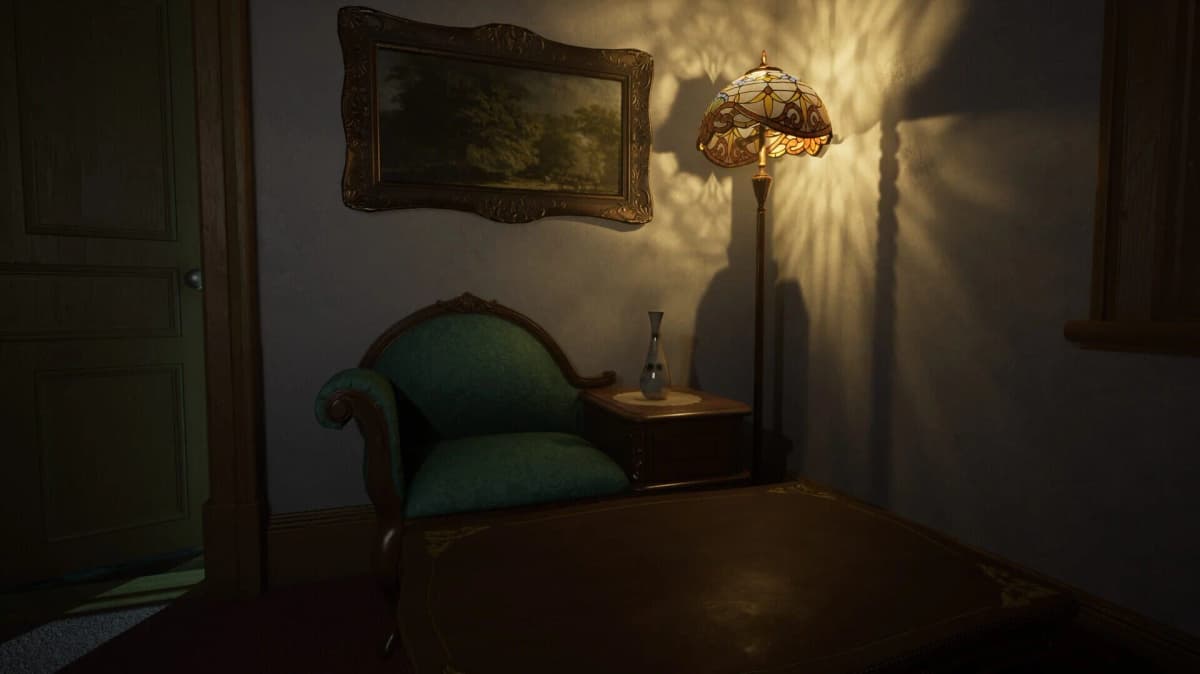
The setup is classic: you wake up in a sinister mansion with a busted phone and scattered memories. You’re not alone – two companions weave in and out of the story, and the press blurb leans into “trust and suspicion,” which screams branching encounters or at least variable reactions based on your choices. The house itself sounds like a trap-laden labyrinth: strange statues, hidden mechanisms, environmental clues. The hook is the “infinite gaol” concept – a suffocating cycle that keeps you circling back to the same dread, closer each time to the truth you don’t actually want to know.
The name-dropping of specific Ito iconography matters. The floating balloon heads (from Lovesickness/Hanging Blimp) and invasive black hair confirm this isn’t just Ito-flavored horror — it’s pulling directly from recognized shorts. The big question is whether those moments are passive cutscenes or interactive setpieces. Ito’s horror isn’t just about the image; it’s about the horrible inevitability behind it. If the gameplay lets you push against that tide — solve a puzzle, make a choice, and still feel doomed — that’s the sweet spot.
Why Softstar might actually pull this off
Softstar isn’t new to horror. The Bridge Curse: Road to Salvation and its sequel nailed the campus-legend vibe with decent stealth and an eye for tension, and the studio’s broader portfolio (Xuan-Yuan Sword VII under DOMO Studio) shows a team comfortable with motion capture and performance-driven scenes. Full-body mocap in a first-person game sounds like marketing fluff, but it can matter: it makes companion behavior, creature movement, and those “don’t breathe, don’t blink” hallway encounters land harder when the animation sells the weight and timing.
More importantly, Softstar tends to get atmosphere. Their horror projects rarely rely on gore alone. If An Infinite Gaol leans into sound design — that sticky, close-to-your-ear kind of foley — and slow-burn staging, it could sidestep the common pitfall of “walk, read a note, get chased by a loud mannequin.” That said, The Bridge Curse also had bloaty chase bits. If the mansion devolves into trial-and-error stealth around insta-kill patrols, the Ito vibe will evaporate fast.
The adaptation tightrope: anime fidelity vs. interactive dread
Adapting Ito is notoriously tricky. The Netflix anime this game draws from split fans — faithful frames, but pacing that sometimes flattened the dread. Games have an out: interactivity can create the sickening inevitability Ito thrives on by making you complicit. The press line about “faithfully recreated scenes” is promising for fans, but it also worries me. If the most iconic moments are just reenacted shots, they’ll look cool and feel empty. The mansion and its puzzles need to carry the weight between those scenes — environmental storytelling, misdirection, and logic that feels cruel but fair.
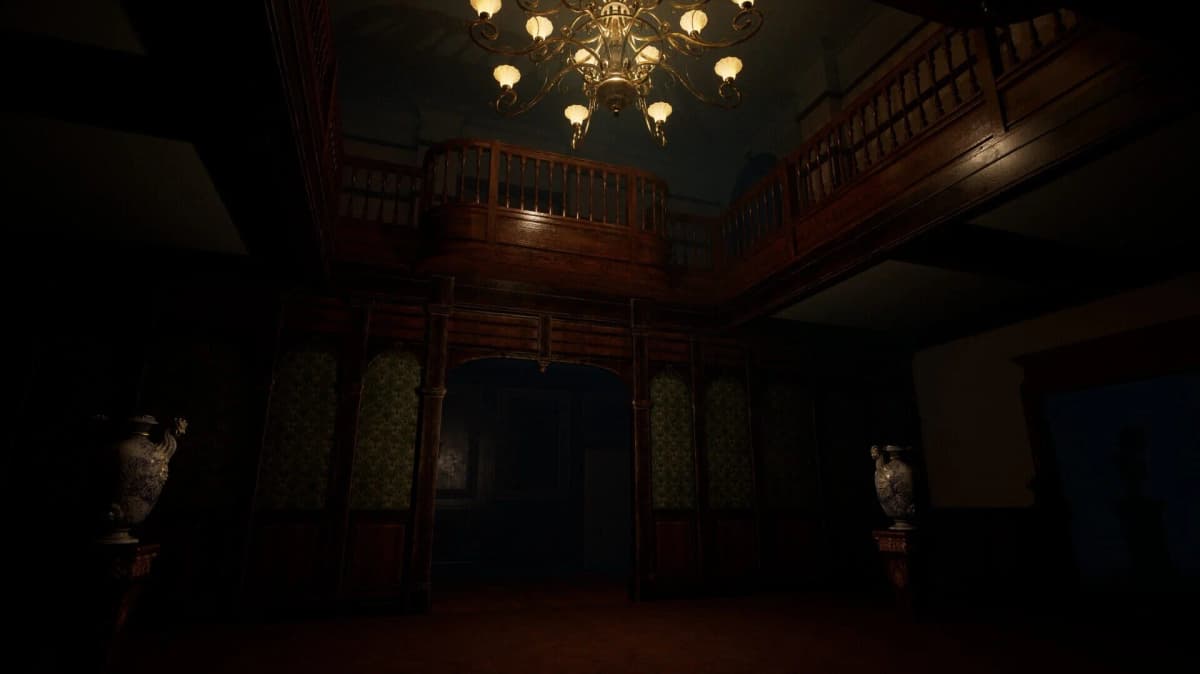
I’m cautiously into the idea of a trust mechanic with two companions. Done right, that introduces psychological tension: do you share a clue, or keep it and risk someone… changing? Done wrong, it’s flavor text over linear beats. The “endless cycles” pitch hints at loops, and I hope they mean more than respawning scares — think altered layouts, contradictory memories, and puzzle solutions that mutate after each failure. If you’re invoking “gaol,” embrace the trap by design.
What players should watch for next
We only have a teaser, so the next drop needs to answer some basics that will make or break interest:
- Gameplay balance: is this a pure puzzle-box, a stealth-chase gauntlet, or a mix? How often do you fail, and how are loops handled?
- Interactivity of iconic scenes: do you play through them or just watch them?
- Sound and localization: Ito’s horror is about cadence — sloppy subs or out-of-place VO will kill the mood fast.
- Tech options on PC: field of view, motion blur toggles, performance ceilings, and accessibility (subtitle sizing, audio cues).
- Save system: manual saves in a puzzle-heavy horror game are a sanity saver; forced checkpoints can sour the loop concept.
For now, consider me intrigued but not sold. The mansion setting and puzzle focus are a smart fit for Ito’s methodical dread, and Softstar’s experience suggests they can set the table. Whether they serve a real meal or just plate up anime recreations is the question I want answered before hype trains leave the station.
TL;DR
Junji Ito Maniac: An Infinite Gaol is an official first-person horror adaptation from Softstar with a puzzle-box mansion, companion paranoia, and iconic Ito setpieces. The concept fits the source, but the execution hinges on interactive pacing and whether those “faithful” scenes are playable, not just watchable. Wishlist if you’re an Ito fan — wait for a proper gameplay slice if you’re on the fence.