

Karasu wa Aruji wo Erabanai: Pierrot’s Underappreciated Court Fantasy
Game intel
Karasu wa Aruji wo Erabanai
Introduction
Studio Pierrot, known for Naruto and Bleach, ventured into new territory with Karasu wa Aruji wo Erabanai, adapted from Chisato Abe’s Yatagarasu novels. Despite an international release on Crunchyroll, it remains under the radar. This series invites viewers into a courtly realm where power, loyalty and identity intertwine.
Narrative and Worldbuilding
Rather than following the typical isekai formula—where characters are transported to another world—Karasu builds the kingdom of Yamauchi from scratch. Courtiers here are yatagarasu, mythical three-legged crows from Japanese folklore. When their masks fall away, they assume these supernatural forms, literalizing hidden motives and shifting alliances in a tightly woven political drama.
- Yatagarasu
- A three-legged raven in Shinto mythology, often seen as a guide or messenger of the gods.
- Isekai
- A genre in which protagonists find themselves in an alternate world, often with RPG-style rules.
- Shounen
- Aimed at younger male audiences, typically featuring action and adventure themes.
Main Characters and Court Dynamics
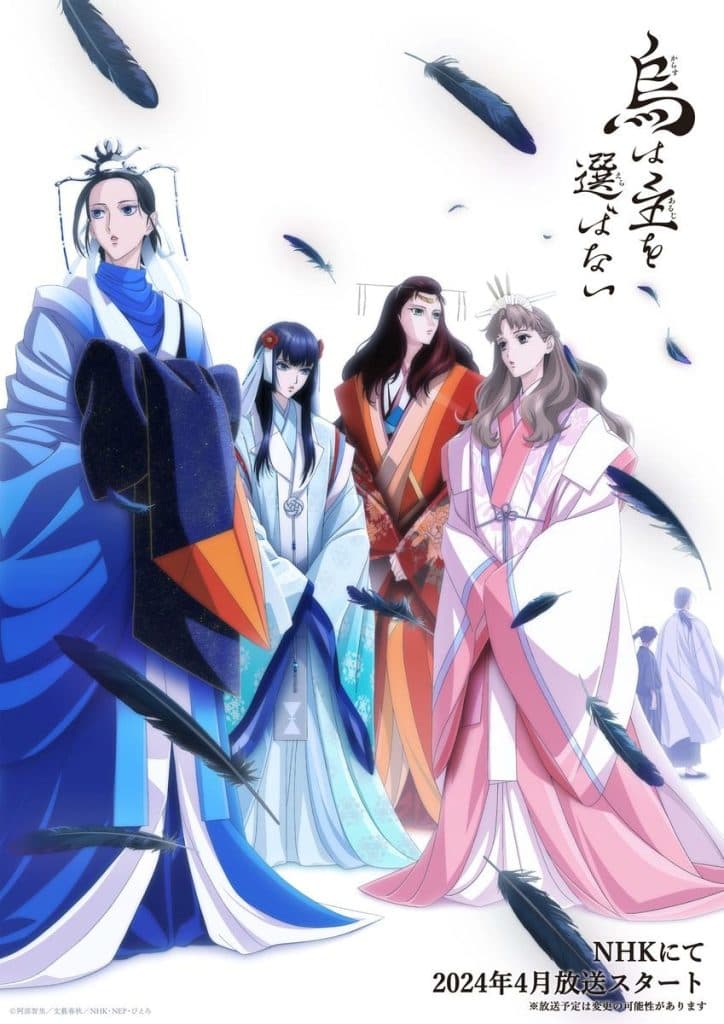
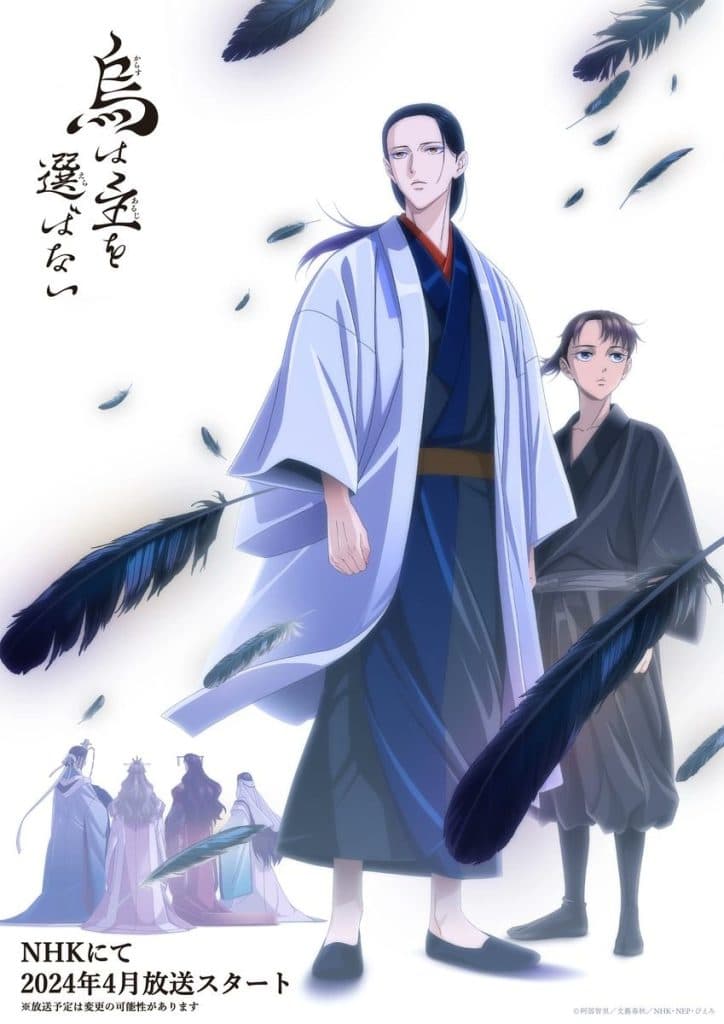
Prince Wakamiya anchors an imperial succession struggle, but the story unfolds through Yukiya, a new servant from a modest background. This outsider’s perspective highlights subtle betrayals, unspoken pacts and strategic maneuvering. As confidant and observer, Yukiya’s choices illuminate how personal bonds and court protocol collide.
Rather than sword clashes or spectacle, conflicts here play out in whispered conversations and small gestures. Each exchange can mask a threat or shift the balance of power, rewarding viewers who tune into nuances of expression and tone.
Visuals and Production
Pierrot’s team opts for muted color schemes and intricate character art. The opulence of palace halls contrasts with the stark, almost gothic imagery of three-legged crows. While large battle scenes are rare, fluid motion and detailed facial animation amplify tense encounters in council rooms and private chambers.
Want to Level Up Your Gaming?
Get access to exclusive strategies, hidden tips, and pro-level insights that we don't share publicly.
Ultimate Gaming Strategy Guide + Weekly Pro Tips
Context and Reception
Premiering in Spring 2024 amid a slate of high-profile sequels and licensed titles, Karasu wa Aruji wo Erabanai struggled for attention. In a season dominated by marketing campaigns, a subtly paced political fantasy can be overlooked. Future research into viewership figures and audience response could shed light on its true reach compared to peers like The Apothecary Diaries.
Conclusion
Karasu wa Aruji wo Erabanai stands out by prioritizing deliberate pacing, layered characters and myth-rooted worldbuilding over flashy action. For viewers intrigued by court intrigue, personal loyalties and folklore-inspired metaphors, it offers a thoughtful alternative to more conventional fantasy series. Though it remains underappreciated, its narrative depth makes it worth a closer look.