
Table of Contents (14)
Why This Kingshot v1.9.5 Tier List Actually Matters
After spending well over 150 hours on Kingshot across two accounts (one low-spend, one fully free-to-play), I hit a wall around mid-late game because I’d invested in the wrong heroes. I stubbornly poured resources into favorites like Quinn and Howard, then watched them fall off a cliff once I hit tougher Arena brackets and Expedition stages.
The breakthrough came when I rebuilt my roster around the current v1.9.5 meta – especially the new heroes Sophia, Triton, and Yang – and focused on synergy instead of just raw power ratings. This guide is that process distilled: a practical tier list + how to actually use it so you don’t repeat my mistakes.
This is written for patch v1.9.5 (March 18, 2026), so everything here assumes the balance state after Sophia, Triton, and Yang entered the game.
How Generations and Rarity Shape the Tier List
Before diving into tiers, it helps to understand how Kingshot’s power curve works. I learned this the hard way by over-investing in older-generation SSRs that simply couldn’t keep up later.
- Rarity: SSR > SR > R in terms of raw stats and skills. A well-built SR can carry you early, but most Rs and many SRs fall off in late game.
- Generations: Newer generations (Gen 5 like Vivian, Thrud, and the new trio) tend to have better base stats and more overloaded kits than Gen 1–3 heroes.
- Roles:
- DPS (burst or sustained)
- Support (buffs/debuffs, healing)
- Tank/Frontline (damage soak, control)
- Specialists (rally joiners, niche PvP tools)
My rule of thumb now: if you’re unsure where to put resources, start with newer-generation SSRs in S+ or S tier and only deviate if you have a specific team concept in mind.
S+ Tier – Heroes You Should Build First
These are the heroes that consistently carry fights for me in both PvE and competitive modes. If you own any of them, they should be at the front of your upgrade queue.
Vivian & Thrud – Gen 5 Powerhouses
Once I pulled Vivian on my F2P account, my entire PvE experience changed. Her damage scales absurdly well with investment, and her kit feels designed for v1.9.5 content.
- Vivian: High burst AoE with strong scaling. She excels in Expedition waves and late campaign stages. I use her as my primary nuke in almost every comp.
- Thrud: Slightly more single-target focused but with reliable cleave. Thrud shines in boss-style content where sustained pressure matters.
Why they’re S+: Their numbers just outclass most earlier-generation DPS, and they synergize extremely well with supports that boost attack or crit. I typically pair Vivian with Petra and one of the new supports for brutal burst turns.
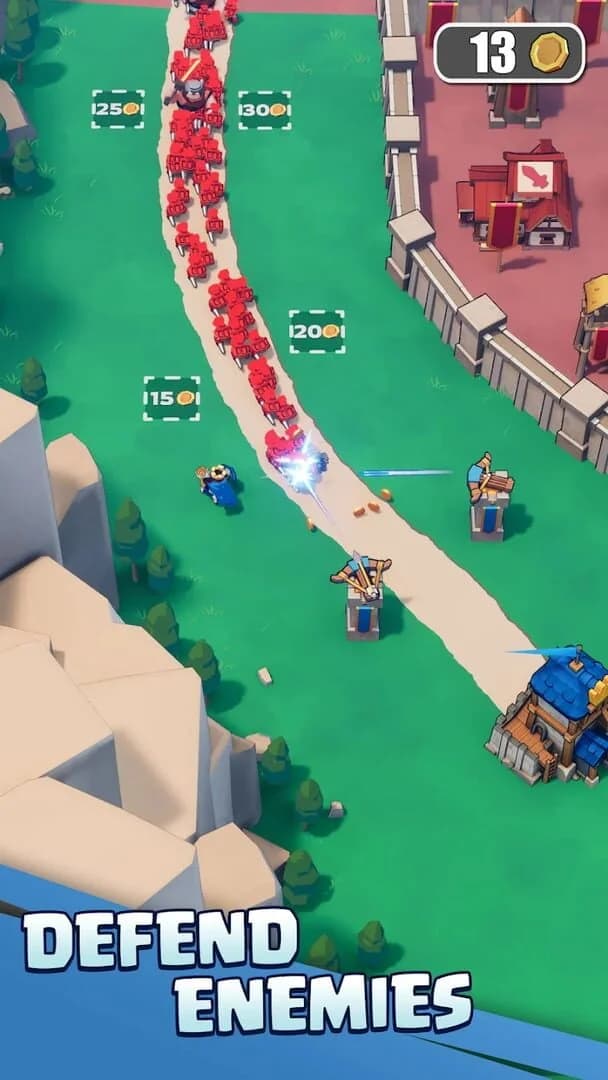
Sophia, Triton, and Yang – The New v1.9.5 Meta Shapers
When these three dropped, I spent a few evenings just testing them in mock formations. Each one immediately felt “overtuned” compared to many older SSRs.
- Sophia: Think of Sophia as a hybrid support/DPS. Her buffs are what make her busted – she can spike your main carry’s damage while contributing solid numbers herself. In my Arena team, rotating her buff window with Vivian’s ult often deletes enemy backlines in a single volley.
- Triton: Excellent in longer fights. His sustain and defensive utility drastically increase team survivability. I noticed my Expedition clear rate jump once I replaced a generic tank with Triton; the extra stability means fewer random wipes.
- Yang: A tempo monster. Yang excels at turning early pressure into a snowball. In my tests, lineups with Yang either win fast or lose fast – but when you’re climbing Arena, that explosiveness is exactly what you want.
Why they’re S+: All three bring “extra” value on top of their primary role – damage plus buffs, tanking plus team sustain, aggression plus control. They don’t feel like you’re giving up anything to field them, which is why they’re at the top of the current tier list.
Jabel, Jaeger, Amadeus, Marlin – Backbone Carries and Supports
These are the strong “spine” heroes I lean on constantly, especially on my free-to-play account.
- Jabel: One of the best free (or easily obtainable) picks in the game. His AoE plus ally buffs make Expedition and Conquest so much smoother. I regretted ignoring him early because “free heroes must be bad” – that assumption was completely wrong.
- Jaeger: Reliable physical damage dealer with decent survivability. When I’m short on newest-gen DPS, Jaeger slots in without ruining my comp.
- Amadeus: Strong support with great utility. He’s one of those heroes where you don’t notice how good he is until you try to run the same team without him. Suddenly everything feels more fragile.
- Marlin: Versatile damage dealer who scales well into late game. On my spender-lite account, he stayed in my core lineup for far longer than I expected.
Why they’re S+: They combine strong, consistent output with good synergy options. None of them are just stat sticks; they actively enable your other carries.
Petra – The Long-Term Cavalry Investment
Petra is the hero I wish I had prioritized from day one. Her kit scales with cavalry-based bonuses, and that scaling keeps her relevant even as new generations arrive.
- Excellent sustained DPS that doesn’t feel outdated over time.
- Pairs well with most of the S+ supports and buffers.
- Performs in both PvE and PvP, so no investment is wasted.
Why she’s S+: She’s not the flashiest hero, but she’s ridiculously safe as a long-term project. On my F2P account, Petra is the backbone that bridges gaps when I don’t have every new hero unlocked.
- Excellent sustained DPS that doesn’t feel outdated over time.
- Pairs well with most of the S+ supports and buffers.
- Performs in both PvE and PvP, so no investment is wasted.
Why she’s S+: She’s not the flashiest hero, but she’s ridiculously safe as a long-term project. On my F2P account, Petra is the backbone that bridges gaps when I don’t have every new hero unlocked.
🎮 Get This Game at the Best Price
Compare prices instantly and save up to 80% on Steam keys with Kinguin — trusted by 15+ million gamers worldwide.
*Affiliate link — supports our independent coverage at no extra cost to you
S Tier – Strong Picks That Still Need the Right Comp
S-tier heroes can absolutely carry, but they’re more sensitive to matchup, formation, or investment than the S+ group. I use them heavily, but I’m more willing to swap them around as patches hit.
- Alcar (Gen 4): Great damage and utility, just a step behind the disgusting numbers of newer heroes. He feels amazing on servers where Gen 5 isn’t widespread yet.
- Margot (Gen 4): My go-to for Arena on my earlier server. Her dodge mechanics and AoE pressure let her dominate mirror matches… until people started fielding stacked Gen 5 cores.
- Zoe and other Gen 2/3 veterans: Still very playable with the right buffers and gear, especially if you have them advanced compared to your newer pulls.
- Role specialists like Chenko and Diana: As raw units they might look A-tier or worse, but if your alliance leans on rally joiners or certain Conquest strategies, their value can spike into S-tier for that specific niche.
How I use S-tier heroes: On my accounts, S-tier heroes rotate in when I’m missing the S+ of that role or need a specific tool (more control, anti-burst, extra sustain). I don’t regret investing in them, but I’m careful not to spread my resources across too many at once.
A/B/C Tier – When Weaker Heroes Are Still Worth It
This is where most players (me included) wasted the most time early on. Not every low-tier hero is trash; many are just time-limited solutions.
- A Tier: Solid but outclassed. Use these when you’re missing the S/S+ equivalent. I tend to stop investing once I get a clear upgrade.
- B Tier: Early–mid game fillers. They can carry you through the first few Expedition chapters and lower Arena ranks. I still use a couple of B-tier SRs on my F2P alt where my SSR pool is shallow.
- C Tier: Mostly R-rarity heroes like Quinn, Howard, Fahd, Diana (outside her rally niche), Olive, Edwin, Seth, Forrest. I used Quinn a lot in my first week because I simply had nothing better – and that was fine. The mistake was continuing to pour resources into him long after I should have pivoted.
My rule now: It’s okay to heavily invest in S+/S heroes. For A/B/C, push them only as far as you need to clear current content, then park them. Don’t chase perfect gear or max stars on someone you know will be benched later.
Team Synergy in v1.9.5 – How to Actually Build a Lineup
Once I stopped thinking in terms of “best single hero” and started thinking “best five working together,” my win rate skyrocketed. In v1.9.5, synergy often beats raw power.
- Core carry: Usually Vivian, Thrud, Petra, Marlin, or Jabel. This is who your gear and buffs revolve around.
- Support engine: Sophia, Amadeus, Yang (for aggressive comps), or another strong buffer that amplifies your main carry.
- Frontline/tank: Triton if you have him; otherwise your best durable hero with control tools.
- Flex slot(s):
- Extra DPS (Jaeger, Alcar, Margot)
- Utility (disruptive specialists, anti-heal, etc.)
- Defensive support in tough PvE fights
Example F2P-ish core for v1.9.5 (based on my own second account):
- Carry: Jabel (until you pull Vivian/Thrud/Petra)
- Support: Amadeus
- Frontline: Your best SR/SSR tank, later replaced by Triton if you get him
- Flex DPS: Petra (if owned) or Jaeger
- Utility/Flex: A debuffer or crowd-control pick
On my light-spend account, swapping in Sophia and Yang for generic supports turned a lot of “barely survive with 1 hero left” wins into clean sweeps. Their buffs and tempo control just make your whole lineup smoother.
F2P vs Spender Priorities – Where to Put Your Resources
Playing both F2P and spender-lite taught me that the “best” tier list shifts a little depending on how deep your roster is.
- Free-to-play priorities:
- Maximize any S+ you own: Petra, Jabel, Vivian, Thrud, Marlin, etc.
- Don’t chase every banner – focus on meta-defining units like Sophia, Triton, Yang only if you’re close to pity or already heavily invested in that generation.
- Use strong S-tier older heroes (Zoe, Alcar, Margot) as your backbone until your SSR pool grows.
- Spender / light-spender priorities:
- Build a complete S+/S core across roles (at least 2 premium DPS, 2 premium supports, 1–2 premium tanks/frontliners).
- Invest in niche S-tier specialists (like rally joiners) for alliance content – your depth gives you an edge here.
- Expect to rotate out some S-tier heroes as newer generations arrive; avoid over-capping them beyond what your core comps need.
In both cases, the biggest mistake is spreading resources across too many mid-tier heroes. Once I focused on a handful of top-tier units rather than trying to level “one of everything,” my account power jumped significantly.
Using Redeem Codes to Boost Your Top-Tier Heroes
I almost ignored redeem codes for my first month, which was a huge mistake. Those extra pulls and materials drastically accelerate your progress on key S+/S heroes.
- Where to redeem: On my client, it’s under
Profile → Settings → Redeem Code. Paste the code, confirm, then check your in-game mailbox. - What to prioritize:
- Use premium currency for banners featuring S+ heroes you don’t have yet (especially Sophia, Triton, Yang, Vivian, Thrud).
- Use generic upgrade materials on your already built S+/S heroes – don’t start side projects unless they fill a clear hole in your team.
- Timing: I like to stack codes and daily income until I can do a full multi-pull on a strong banner; this gives you the best chance to hit a meaningful upgrade rather than random filler.
If you play regularly, keeping up with active codes is effectively “free progress” toward the top of this tier list.
What to Expect Next (and How to Future-Proof Your Account)
With Gen 5 heroes already warping the meta and more generations on the horizon, v1.9.5 won’t be the final word on Kingshot’s balance. But the patterns I’ve seen across patches are consistent:
- New generations push power higher, especially for DPS and supports.
- A few older heroes with good scaling (like Petra) remain relevant across multiple generations.
- Synergy-focused lineups age better than single-hero-centric ones.
If you focus your resources on the S+ tier heroes listed here, keep a flexible pool of S-tier backups, and avoid over-investing in lower tiers, you’ll be in a strong position no matter what v1.9.6 and beyond bring.
I’ve rebuilt one account from a messy, unfocused roster into a tight S+/S core using exactly these priorities. If that account could recover, yours can absolutely thrive by following the same approach.
FinalBoss // Gear
Level up your setup
01Mobile gaming controllerson Amazon→02Top-rated gaming headsetson Amazon→038BitDo controllerson Amazon→Affiliate links · As an Amazon Associate, FinalBoss earns from qualifying purchases.
Want to Level Up Your Gaming?
Get access to exclusive strategies, hidden tips, and pro-level insights that we don't share publicly.
Ultimate Guide Strategy Guide + Weekly Pro Tips