
Kojima Admits His New Horror OD Might Not “Work Out” — Should Gamers Worry?
Game intel
OD
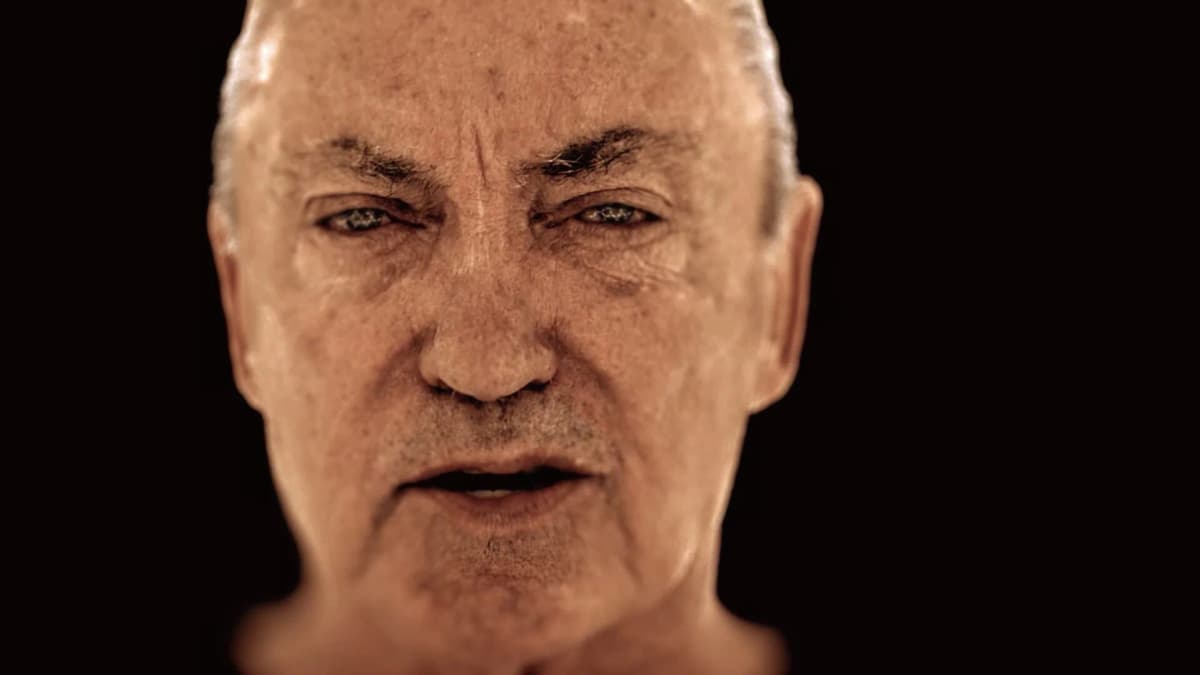
OD explores the concept of testing your fear threshold, and what it means to OD on fear – while blurring the boundaries of gaming and film.
Why Kojima Saying OD “May Not Work Out” Actually Matters
This caught my attention because Hideo Kojima almost never admits creative doubt in public. For a director known for confident, sometimes grandiose pronouncements-think Metal Gear and Death Stranding-saying his new horror anthology OD “may not work out” is unusual and telling. It signals this isn’t a safe, rehashed idea: it’s explicitly experimental, and that comes with real risks for players.
- Key takeaway: OD is intentionally avant‑garde and could be polarizing or niche.
- Production is tangled with real-world issues: the SAG‑AFTRA strike and the late Udo Kier’s involvement create logistical and narrative questions.
- Kojima promises a new service model and anthology format – exciting on paper, unclear in practice.
- Xbox is publishing, but Kojima’s work on PlayStation projects suggests his creative plate is crowded.
Breaking Down the Announcement: What We Actually Know
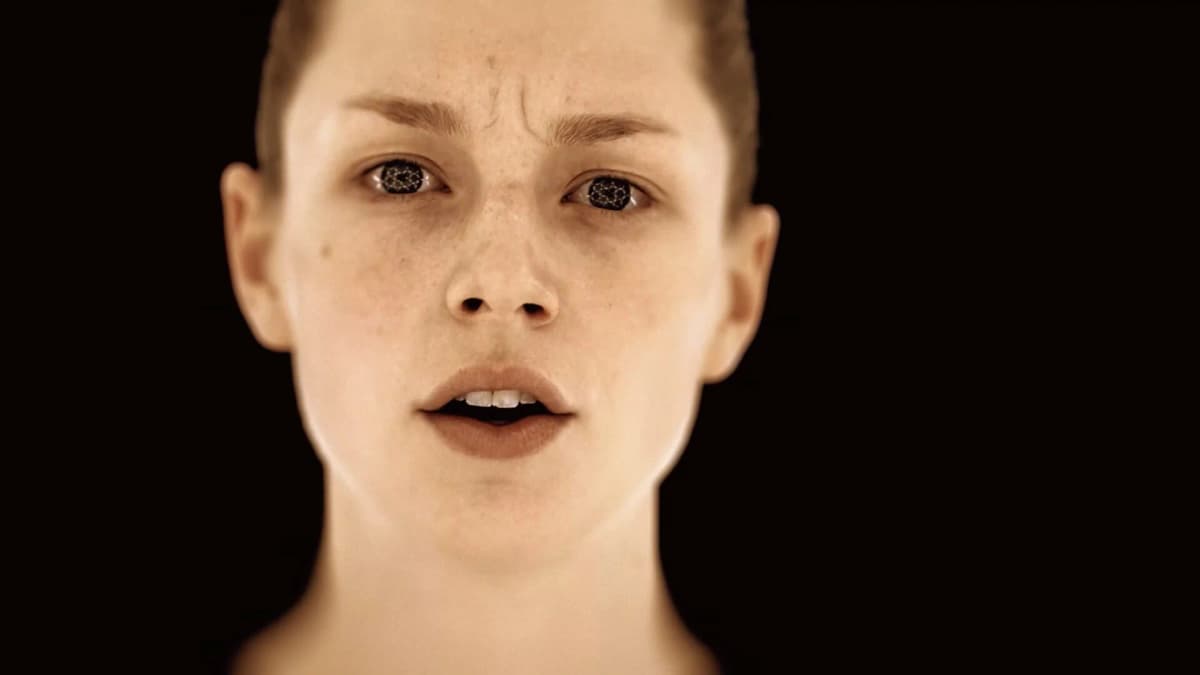
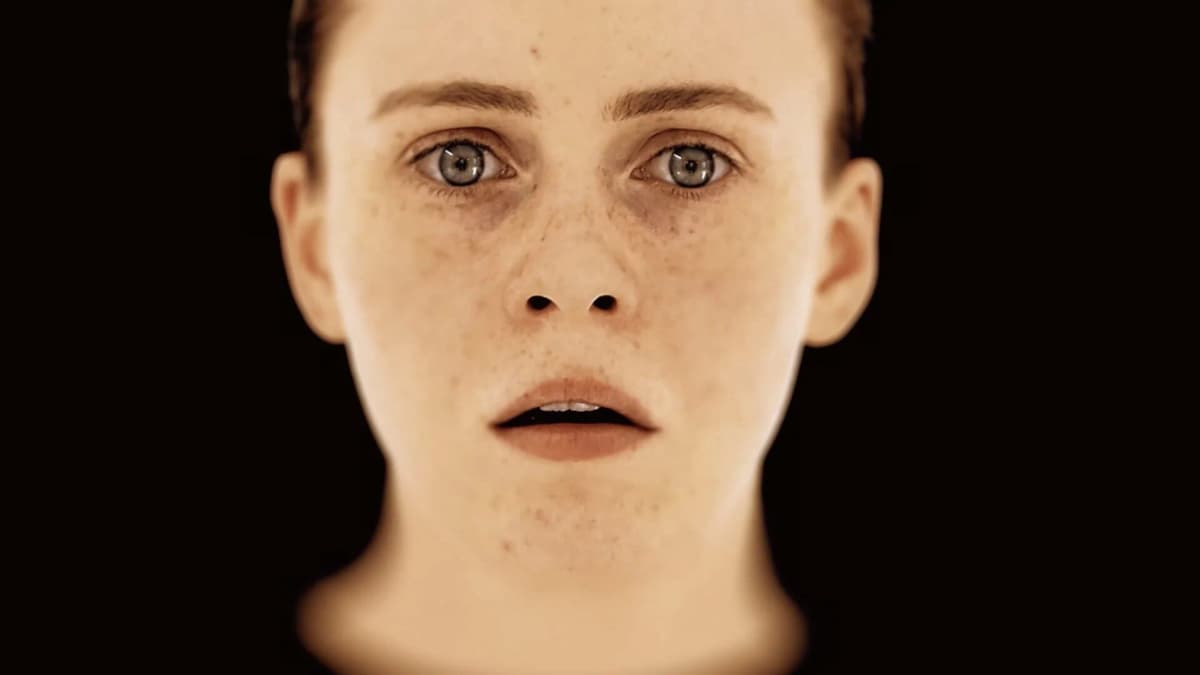
OD was teased with the “Knock” trailer and billed as a psychological horror anthology developed in Unreal Engine 5 by Kojima Productions and published by Xbox Game Studios. The project name, the cast (Sophia Lillis, Hunter Schafer, and posthumous footage of Udo Kier), and Jordan Peele’s involvement as a co‑writer immediately set expectations high: cinematic talent, a focus on atmosphere, and a willingness to play with genre conventions.
But Kojima has repeatedly described OD as “avant‑garde” and admitted he doesn’t even know if the idea will work. That distinction matters: Kojima isn’t promising “better scares” or bigger set pieces. He’s promising something unfamiliar—potentially uncomfortable—and he’s tempering hype by admitting it could fail.
Why Now? Production Realities and Creative Ambition
Timing amplifies the uncertainty. Filming and face scanning were paused by the SAG‑AFTRA strike, and then Udo Kier—whose footage appears in the teaser—passed away. That raises practical questions: How much usable performance exists? Will the team have to rework narrative threads around missing scenes? Kojima said filming was planned to resume, but delays push any release well into 2026 or later and increase the chance the final product looks different from the pitch.
At the same time, Kojima is juggling other projects: a PlayStation espionage title codenamed Physint and Death Stranding adaptations. That split focus doesn’t doom OD, but it makes the “may not work out” line feel less theatrical and more pragmatic—he’s testing something radical while balancing competing commitments.
What “Avant‑Garde Horror” and a New Service Model Might Mean
Kojima hints OD will “test your fear threshold” and change the service model “from the ground up.” For gamers that shorthand could mean several things: an episodic rollout with creative director swaps (Kojima called collaborators “The Avengers”), dynamic content tied to player behavior, or a live service skeleton around what is ultimately an anthology. Any of those paths risks alienating players used to single‑purchase narrative games.
If OD leans into an anthology with distinct segments from different filmmakers, that could be its saving grace: variety reduces the chance the whole package collapses under one failed mechanic. But if the service model imposes season passes, microtransactions, or intrusive live elements on a horror anthology, expect the fanbase to push back hard.
Want to Level Up Your Gaming?
Get access to exclusive strategies, hidden tips, and pro-level insights that we don't share publicly.
Ultimate Gaming Strategy Guide + Weekly Pro Tips
What Gamers Should Expect—and Worry About
- Expect atmosphere and psychology over traditional combat. This isn’t a jump‑scare shooter.
- Release timing is vague; don’t bank on a 2025 launch—2026 or later is more realistic.
- Look for how Xbox positions the title: is it a prestige experiment or a live revenue vehicle?
- Keep an eye on how the team handles Kier’s death for storytelling continuity.
Game journalism and fandom love certainty. Kojima’s uncertainty is useful because it recalibrates expectations: OD might become a cult classic lauded in 10-20 years, or it might be an interesting detour that never coalesces. Both outcomes are valuable in their own way, but they aren’t the same thing.
TL;DR — Should You Care?
If you’re into auteur‑driven experiments and anthology horror, OD is essential to watch. If you prefer polished, familiar gameplay loops, wait for hands‑on impressions. Kojima’s honesty is refreshing: he’s making something risky and asking players to be patient. That’s promising — but it also means OD could disappoint as easily as it could redefine the genre.