
Kojima’s Anniversary Note Exposes MGSV’s Missing Finale
Game intel
Metal Gear Solid V: The Phantom Pain
Metal Gear Solid V: The Phantom Pain is the sequel to Metal Gear Solid V: Ground Zeroes and a prequel to the original Metal Gear. The game has a complex story…
Why Kojima’s Anniversary Note Hit Hard
On September 1, Metal Gear Solid V: The Phantom Pain marked its tenth anniversary, and Hideo Kojima commemorated the occasion with a quietly revealing reflection. In a post on his personal blog, he spoke of “boundless ambitions,” “creative constraints,” and an ending that “remains undefined.” For veteran operatives who’ve spent hundreds of hours infiltrating outposts, building Mother Base, and swapping between Quiet and D-Dog like loadout preferences, it was an admission we’ve spent a decade piecing together: MGSV never quite reached its final destination.
As someone who logged over 120 hours deploying Fultons across Afghanistan and relishing emergent stealth moments, Kojima’s words resonated. The missing act wasn’t a footnote—it was the elephant in the FOB. More than just fan theory, it was Kojima himself, hinting that the narrative we played was one part of a larger, unfinished vision.
Key Takeaways
- Kojima’s anniversary reflection confirms MGSV shipped without its intended finale.
- Cut content shows up in reused Chapter 2 missions, the absent Eli arc, and “Mission 51” footage on the Collector’s Edition disc.
- The public Konami–Kojima split derailed the planned third act.
- While MGSV’s sandbox gameplay remains groundbreaking, the narrative gap is a decade-long “what if.”
- Some fans argue the ambiguous ending is a deliberate artistic choice, not a casualty of development.
Breaking Down the Anniversary Nod
Kojima didn’t stage a dramatic unveiling. Instead, he wrote: “This project tested our limits—yet some chapters were never told.” That phrasing echoes words from an internal interview nearly ten years ago, where he described “creative clashes” and “production hurdles.” By referencing constraints without naming names, Kojima tacitly acknowledged what dataminers and speedrunners have long suspected: that a major narrative pillar was stripped before launch.
Playing MGSV’s final mission, you sense the exhaustion. After the credits roll, you’re offered Extreme, Subsistence, and Total Stealth remixes—recycled content meant to fill the void. Then, abruptly, it ends. No climactic showdown on Outer Heaven, no full resolution of the child-soldier rebellion centered around Eli. Kojima’s anniversary language—“I wish we could have brought all themes to their conclusion”—reads like a subtle apology for the abrupt fade-out fans first experienced in 2015.
The Real Story Behind MGSV’s Missing Third Act
Long before the Collector’s Edition bonus disc leaked “Mission 51: Kingdom of the Flies” storyboards and rough footage, breadcrumbs hinted at a third chapter codenamed “Peace.” In late 2015, dataminers unearthed texture files labeled “CH3_LOGO_PEACE,” and assets referencing a location called “Revolver Island.” While fan communities cautioned against treating logos as gospel, the pattern was clear: Chapter 2’s mission variants—the Sahelanthropus retrievals, Code Talker rescues—felt like setup more than payoff.
“Mission 51” footage sketched out a dramatic sequence: Eli commandeering Sahelanthropus and escaping to an island stronghold, Snake mounting a rescue operation, and a final confrontation testing the bonds between Big Boss and his surrogate son. That narrative thread would have tied together themes of revenge, loyalty, and the irony of warfare—which, intriguingly, mirror the game’s subtitle: The Phantom Pain. Without it, fans wrestle with an ending that leans heavily on meta-commentary—truth tapes exposing identity swaps—but skirts a true emotional crescendo.
Technical documents from the Collector’s disc show cutscene placeholders and voice-over scripts for characters who never spoke in the retail release. Though we can’t confirm every line, the outline suggests Kojima intended a third act roughly as long as Chapter 1. Its absence leaves Quiet’s farewell and the “truth” epilogue feeling like epilogues to something missing: the core chapter that reframed every revelation.
Context Matters: The Konami–Kojima Meltdown
To understand why that third act vanished, we need a timeline of the Konami–Kojima relationship unraveling in public view:
- October 28, 2015: Ground Zeroes and The Phantom Pain launch within a two-week span. Early sales are strong, but whispers emerge of a rushed schedule.
- Late 2015: Marketing materials remove “A Hideo Kojima Game” from Metal Gear branding, fueling rumors of creative rifts.
- December 2015: Kojima skips The Game Awards amid reported legal struggles with Konami over budget approvals and creative control—an unusual absence for the series’ mastermind.
- January 2016: Internal memos leak, hinting at severe budget cuts for post-launch support and narrative completion.
- March 2016: Konami officially announces Kojima won’t return for future Metal Gear projects, and Kojima Productions transitions to an independent studio.
Under those conditions—budget austerity, fractured leadership, pressure to ship—polishing a complex third act on a newly built FOX Engine became all but impossible. Even minor updates like the online Forward Operating Base (FOB) mode and microtransaction tweaks ate into the remaining time and resources. When Kojima writes of “constraints too tight to overcome,” this is what he meant: a perfect storm of corporate and technical hurdles that barricaded the game’s final chapter.
Want to Level Up Your Gaming?
Get access to exclusive strategies, hidden tips, and pro-level insights that we don't share publicly.
Ultimate Gaming Strategy Guide + Weekly Pro Tips
What This Means for Players Now
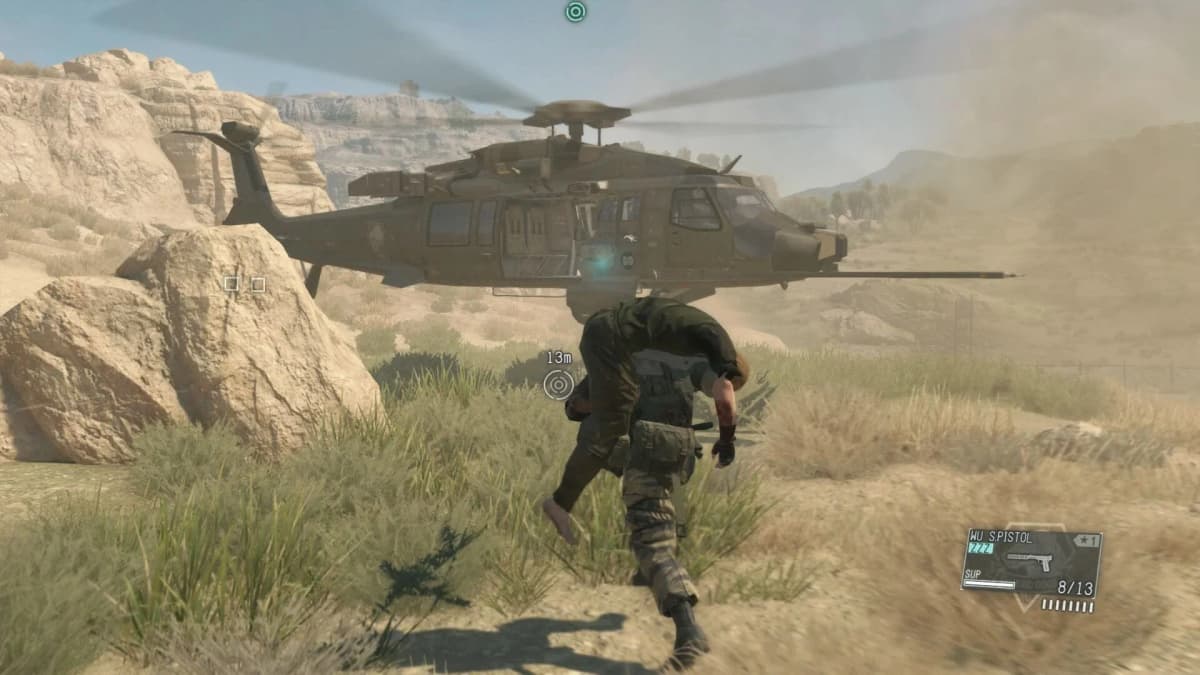
Returning to MGSV for its anniversary is a bittersweet exercise. On the one hand, you’re diving back into one of the most fluid, emergent stealth experiences ever made. The dynamic weather, adaptive enemy AI, and base-building mechanics still serve as benchmarks in game design. As you rappel from helicopters and plot silent infiltrations, the systems-driven sandbox feels inexhaustible.
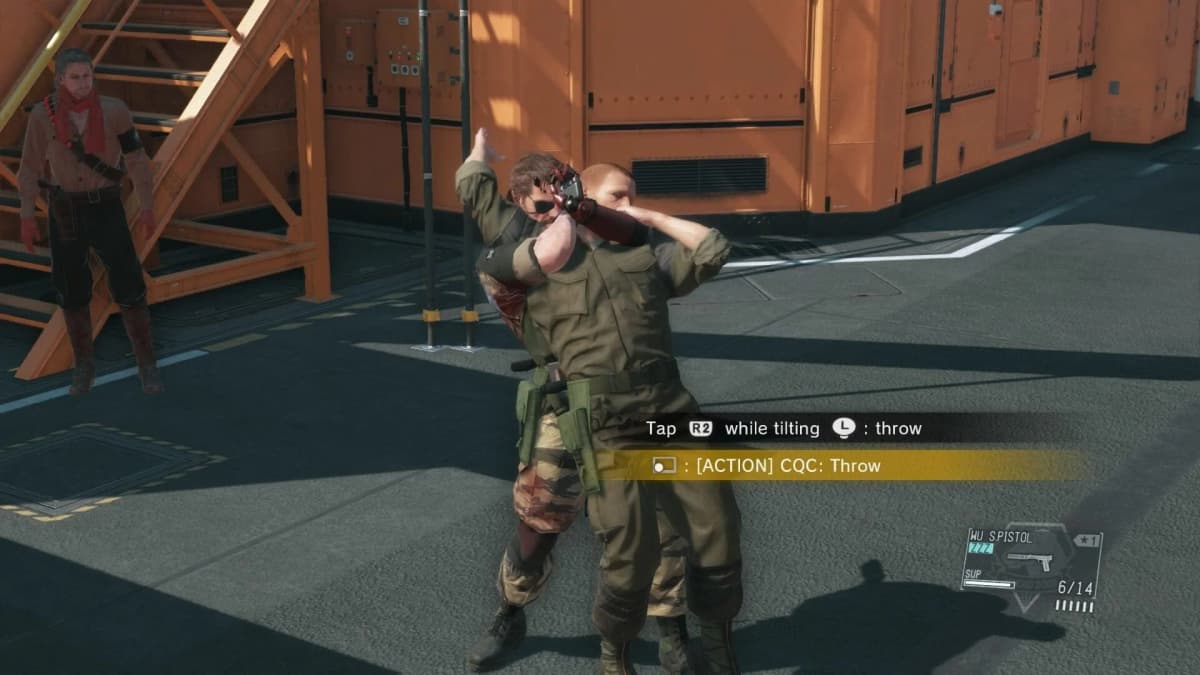
On the other hand, knowing now that a full narrative arc was planned—and that Kojima effectively confirmed its removal—changes the mood. That empty space at the end isn’t just a design choice; it’s a missing piece of creative ambition. Some modders have attempted to stitch cutscene assets and fan-made scripts into custom “Chapter 3” projects, but these remain unofficial fan fiction more than restoration.
Will Konami ever greenlight a formal “Director’s Cut” with Mission 51? Realistically, the odds are slim. The original FOX Engine code is largely obsolete, key voice actors have moved on, and Kojima’s creative vision has marched forward into Death Stranding and beyond. Reassembling the fragmented assets, renewing contracts, and reconciling corporate agendas would be a Herculean task for any publisher.
The Gamer’s Perspective
Here’s my honest take: MGSV endures as an essential title. Few games capture the tension of planning a night raid, the joy of riding D-Horse into an enemy convoy, or the chaos of two armed forces clashing in a desert storm. But the story feels like a half-remembered dream—vivid in parts, hazy in its finale.
Some fans defend the disjointed ending as a thematic choice: the phantom pain of unfinished business reflecting the game’s message about trauma and identity. They argue that by leaving the story open, Kojima invited us into his own creative void, making the absence part of the experience. That’s a compelling interpretation, and an artistic statement I respect.
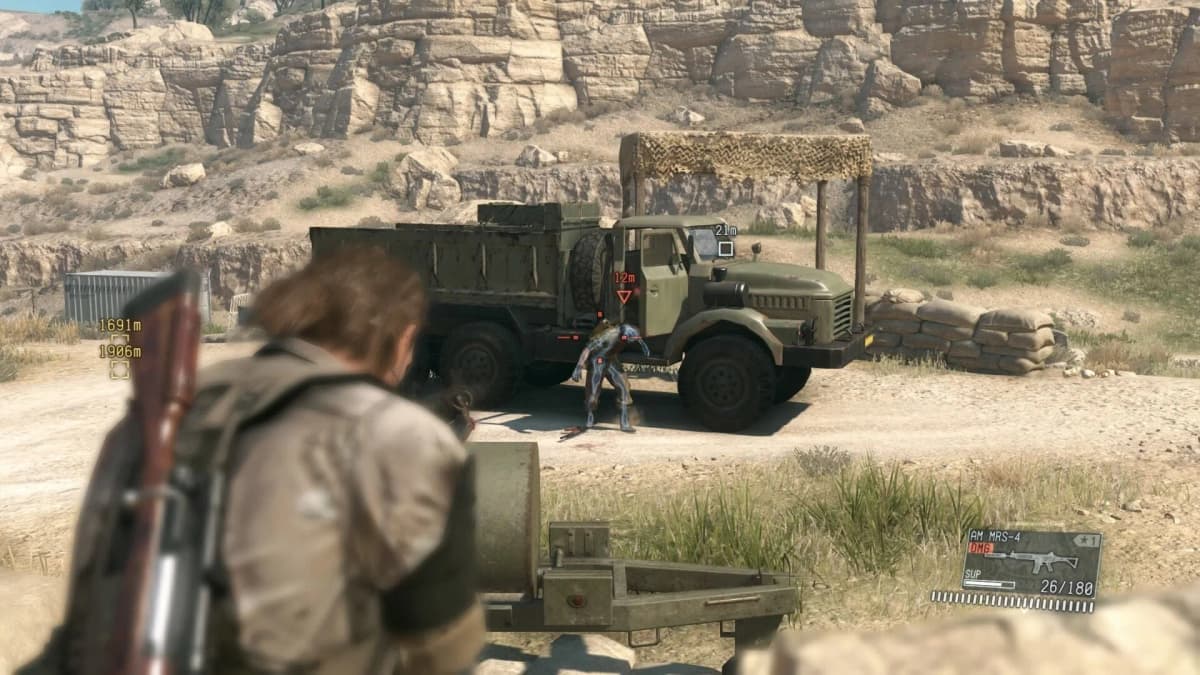
Yet, given Kojima’s own words about chapters “never told,” it’s hard to sustain the idea that this was purely intentional. Instead, we have a game defined by two forces: revolutionary stealth mechanics and a narrative scaffolded but never topped off. That tension—between what we played and what we could have played—is the Phantom Pain I’m still feeling a decade later.
Conclusion & TL;DR
Metal Gear Solid V remains a triumph of emergent gameplay and one of the most influential stealth games ever created. However, its narrative feels incomplete, a casualty of the public fallout between Konami and Kojima Productions. On the 10th anniversary, Kojima’s subtle acknowledgment confirms what fans have long theorized: MGSV launched without its intended third act.
Implication for the franchise: This fractured release reshaped how Kojima approaches future projects—opt for independence, safeguard creative control, and build stories that reach their intended end. For players, MGSV is still worth revisiting, but it’s best seen as a brilliant, unfinished chapter in a storied franchise.
TL;DR: On its 10th anniversary, Kojima quietly admits MGSV’s intended finale never shipped. The game’s sandbox remains stellar, but the missing third act is the Phantom Pain fans still feel today.