
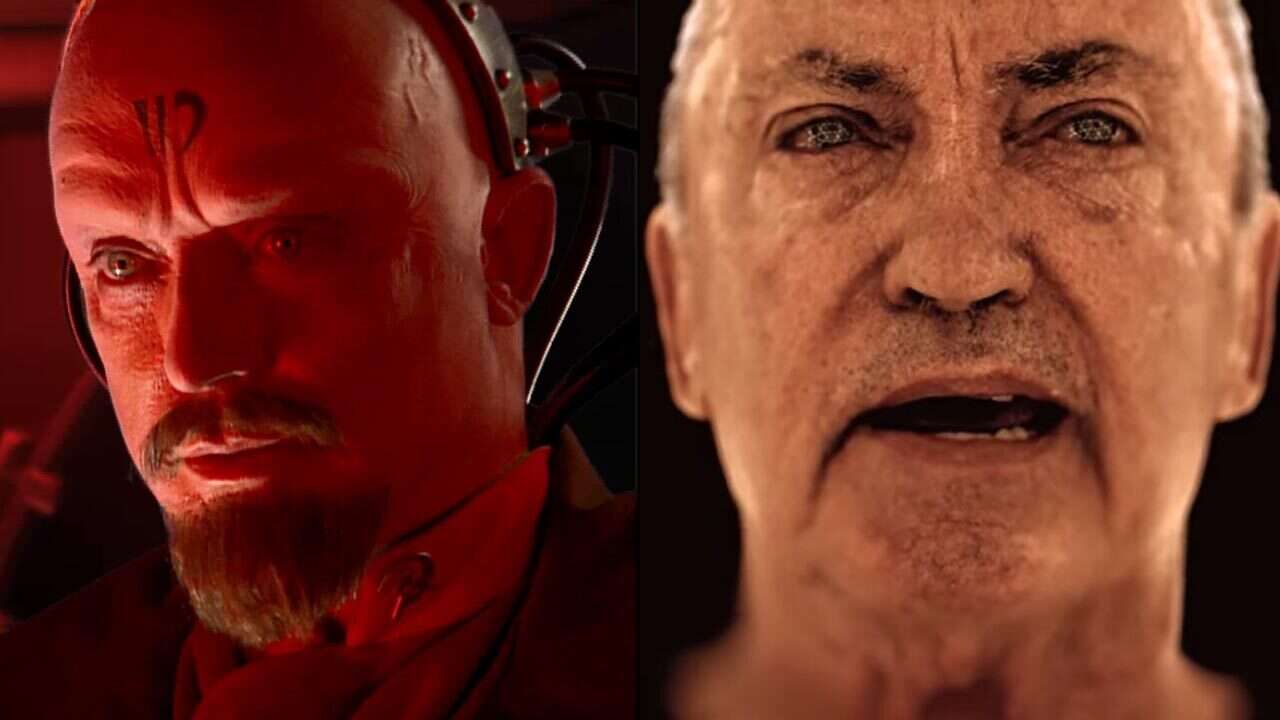
Kojima lost a lead for OD — Udo Kier’s death just changed the game
Game intel
OD
OD explores the concept of testing your fear threshold, and what it means to OD on fear – while blurring the boundaries of gaming and film.
Why this matters to gamers
Hideo Kojima can make a cast announcement feel like a design decision, not just marketing. So when the director revealed he’d been working with veteran actor Udo Kier on a major role in his mysterious horror project OD – and then announced Kier’s sudden death – it matters for more than sentiment. Kier’s particular screen presence would have shaped OD’s tone, performance capture, and even how Kojima frames horror as an interplay between cinema and gameplay. This caught my attention because Kojima has a habit of building entire experiences around a single performer’s aura (see: Norman Reedus and Mads Mikkelsen), and losing Kier mid-process forces practical and creative choices that gamers will feel in the final product.
- Kojima confirmed he was in close contact with Kier while OD’s shoot was delayed by industry strikes.
- Kier’s unique voice and face would have contributed a specific kind of eerie gravitas; recasting isn’t trivial here.
- This is a reminder that Kojima’s projects are fragile art objects – casting changes can reshape narrative and release plans.
Breaking down the announcement
The basic facts are simple and stark: Udo Kier died on Sunday, November 23. Kojima publicly mourned him, saying on social platforms that they had been exchanging emails and refining Kier’s character for OD while production was delayed. In an English tweet Kojima wrote, “I’m at a loss for words. It all happened far too suddenly,” adding that the shoot had been postponed because of a strike and that he and Kier had kept in regular contact. In a French-language message Kojima said, translated: “I still can’t believe it. Udo wasn’t just an actor. He was a true icon of his era. We lost a great icon. There will never be another like him. Udo, rest in peace. I will never forget you.”
Why Udo Kier mattered to OD — and to games
Kier wasn’t just another name to slap on a poster. Across decades of European and arthouse cinema — from blood-soaked horror to collaborations with directors like Werner Herzog and Lars von Trier — Kier developed a kind of brittle charisma: vulnerable yet unnerving, both intimate and theatrical. That’s the exact texture Kojima often hunts for when he casts actors to embody an entire game’s emotional core.
The announcement also points out Kier’s prior game work: lending his voice to characters in titles like Call of Duty: World War II’s Zombies mode and older strategy games. Whether you played those or not, Kier’s gravelly, eccentric delivery would have translated directly into motion capture and voice direction — things that drive not just performance, but how a game is written and paced.
Want to Level Up Your Gaming?
Get access to exclusive strategies, hidden tips, and pro-level insights that we don't share publicly.
Ultimate Gaming Strategy Guide + Weekly Pro Tips
What this could mean for OD’s development
There are a few realistic paths forward, and all of them matter to players. Kojima can recast and rework the performance; he can use existing recordings or footage (if any exist) and redesign the character around them; or the team may rethink narrative beats that relied on Kier’s particular presence. Each option changes the product: recasting may feel off in cinematic scenes, editing around existing material can strain continuity, and rewriting could dilute a storyline Kojima had envisioned.
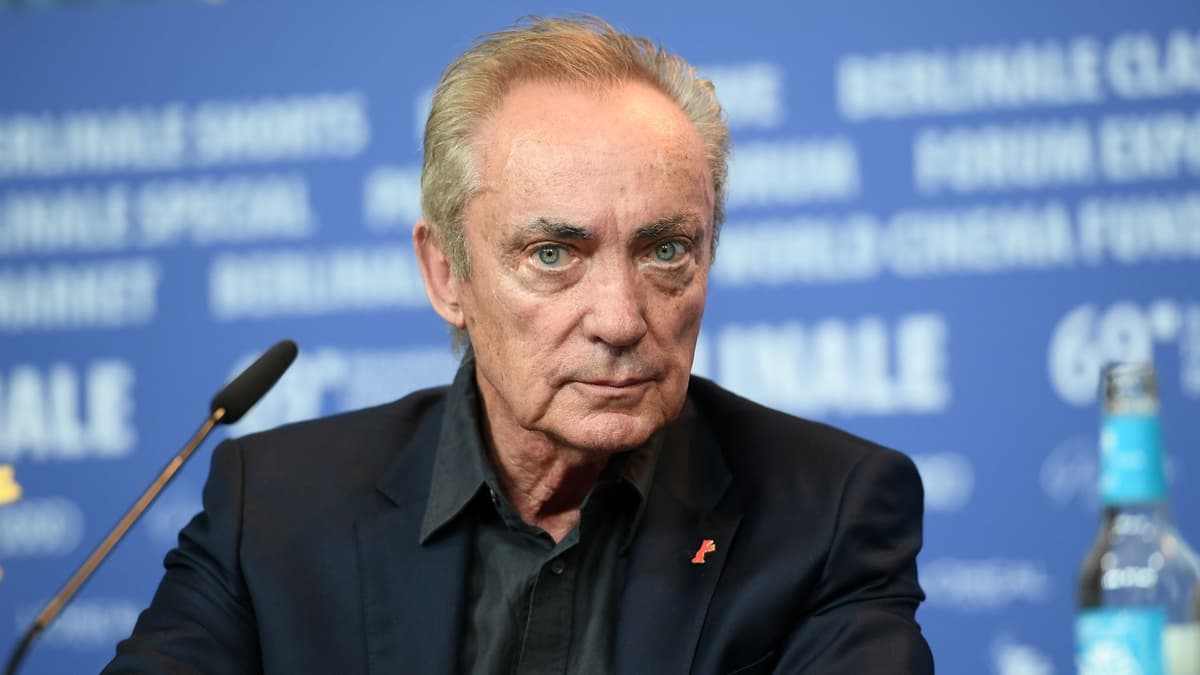
We should also be skeptical about how studios handle this publicly. Emotional tributes are real, but they also become part of a project’s promotional arc. Kojima isn’t immune to that — he’s used high-profile collaborations to blur the lines of auteur and game marketing. Still, beyond the PR, there’s a human loss here, and that will shape OD in ways a marketing statement can’t fully convey.
Udo Kier’s legacy, briefly
Kier’s career resists tidy summaries: a breakout as a chilling vampire in 1974’s “Blood for Dracula,” decades of genre and auteur work, and a willingness to turn up in unexpected places — including video games — because he was curious about different storytelling forms. For Kojima and many creators, Kier represented a link between art-house risk and popular-format intensity. Gamers who care about performance-driven narratives should note this: OD just lost a performer whose presence would have been a design choice as much as a casting one.
TL;DR
Udo Kier’s death is both a personal tragedy and a creative complication for Hideo Kojima’s OD. Kier’s singular aura would have shaped the game’s tone; now Kojima faces hard decisions that could alter OD’s performances, structure, or schedule. For fans, this is a reminder that the people behind the pixels matter — and their loss changes the final work in ways trailers won’t show.