
Kojima’s OD: Knock Promises Photoreal Fear with Jordan Peele—But Can It Out-P.T. P.T.?
Game intel
OD: Knock
OD explores the concept of testing your fear threshold, and what it means to OD on fear – while blurring the boundaries of gaming and film.
Why OD: Knock Actually Caught My Attention
Kojima stepping back into horror isn’t just another reveal; it’s a loaded promise. The Beyond the Strand stream finally put a name-OD: Knock-on the Xbox Game Studios partnership and showed a trailer that screams P.T. energy: first-person, oppressive, and built around a single nerve-shredding idea. This time, that idea is “the knock.” Kojima literally said, “This game will be really scary. You might crap your pants.” That’s not subtle-and that’s exactly why I’m paying attention.
- OD: Knock is a photoreal, first-person horror project co-created with Jordan Peele.
- The trailer leans hard into a single fear engine: an ominous, closing-in knock.
- Unreal Engine and Xbox support suggest top-tier tech and performance capture.
- Big question marks: what’s the actual gameplay loop and how “interactive” is the fear?
Breaking Down the Announcement
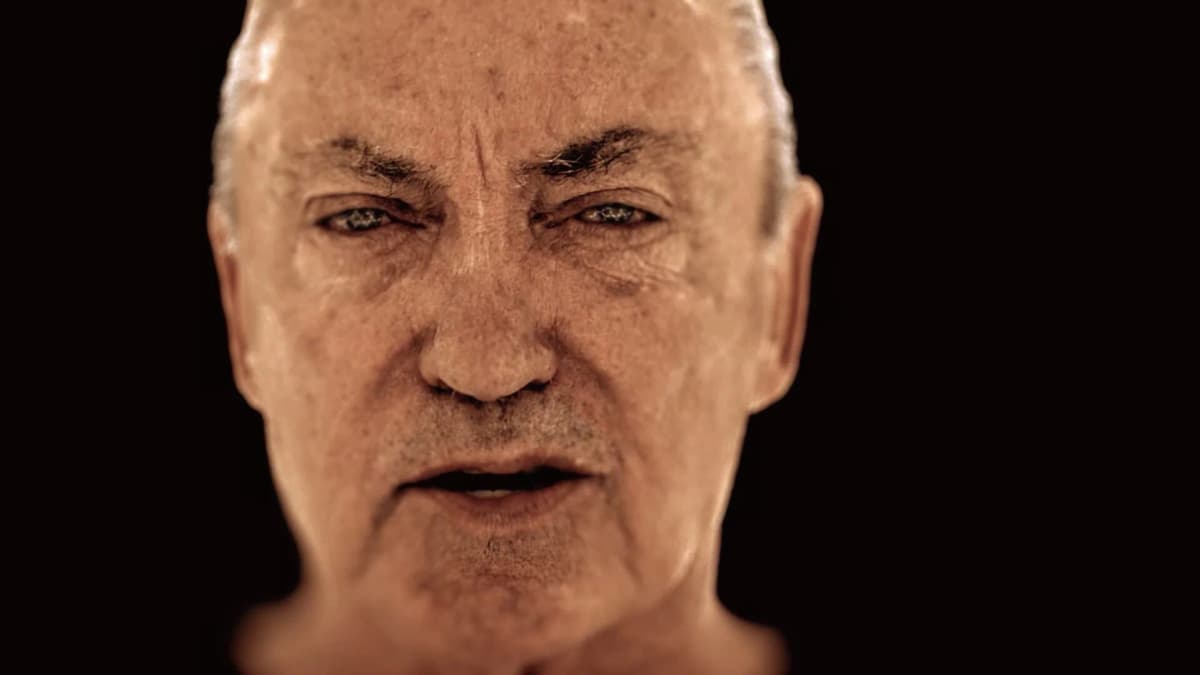
The reveal showed Sophia Lillis (Dungeons & Dragons: Honor Among Thieves), Udo Kier, and Hunter Schafer (Euphoria) haunting a decrepit house that looks painstakingly scanned from reality. Lillis lights baby-shaped candles—a very Kojima prop choice that immediately evokes Death Stranding’s off-kilter iconography—while a partially censored intro text hints at a decade-old tragedy tied to rituals and curses. The sound builds. The knock starts faint, then grows and grows until grey, corpse-pale hands yank Lillis into darkness. It’s a blunt, effective hook and, yeah, the P.T. lineage is obvious in the best way.
Two details matter. First, the subtitle “Knock” implies an anthology or chapterized structure under the broader OD banner—something Kojima has toyed with conceptually before. Second, the cast is not just celebrity dressing; if you’re promising photoreal dread, nuanced facial capture and micro-expressions are the difference between uncanny and unsettling. Bringing in actors known for expressive, grounded performances signals that the fear will live in their faces as much as in the walls.
The P.T. Shadow—and Jordan Peele’s Fingerprints
It’s impossible to see a claustrophobic, looping house and not think of P.T., the demo that’s still haunting hard drives and YouTube playlists. That’s both a blessing and a curse. Kojima helped redefine modern horror pacing with P.T.’s slow-burn terror and single-location mastery. But anything that even rhymes with P.T. inherits sky-high expectations. The Peele partnership helps here. Get Out and Us weaponize social tension, silence, and small domestic spaces; Peele knows how to make a hallway feel like a pressure cooker. If Peele’s involved beyond a consulting cameo, expect deliberate sound design and thematic hooks, not just jump scares and creepy props.
There’s also a neat design through-line: P.T. used a ringing phone and radio static to crawl under your skin. OD: Knock’s focus on a single, advancing sound could become both a narrative motif and a gameplay system. If the knock’s location and intensity respond to player action—think spatial audio breadcrumbs mixed with paranoia—you’ve got a mechanic that’s more than a trailer trick.
Tech Talk: Photorealism, Unreal, and That “Most Realistic” Tease
OD is built in Unreal Engine with Xbox Game Studios support. Phil Spencer called it “totally different” and “truly visionary,” and emphasized that Microsoft’s help goes beyond what you see on screen. Translation: this isn’t just about shiny assets; it’s about production pipelines, performance capture, and possibly novel systems powering the experience. Kojima Productions is scanning real “scary” places for in-game environments—good old photogrammetry—and Kojima joked about scanning a ghost. It’s showmanship, but it points to the project’s north star: make the familiar feel wrong via reality-level detail.
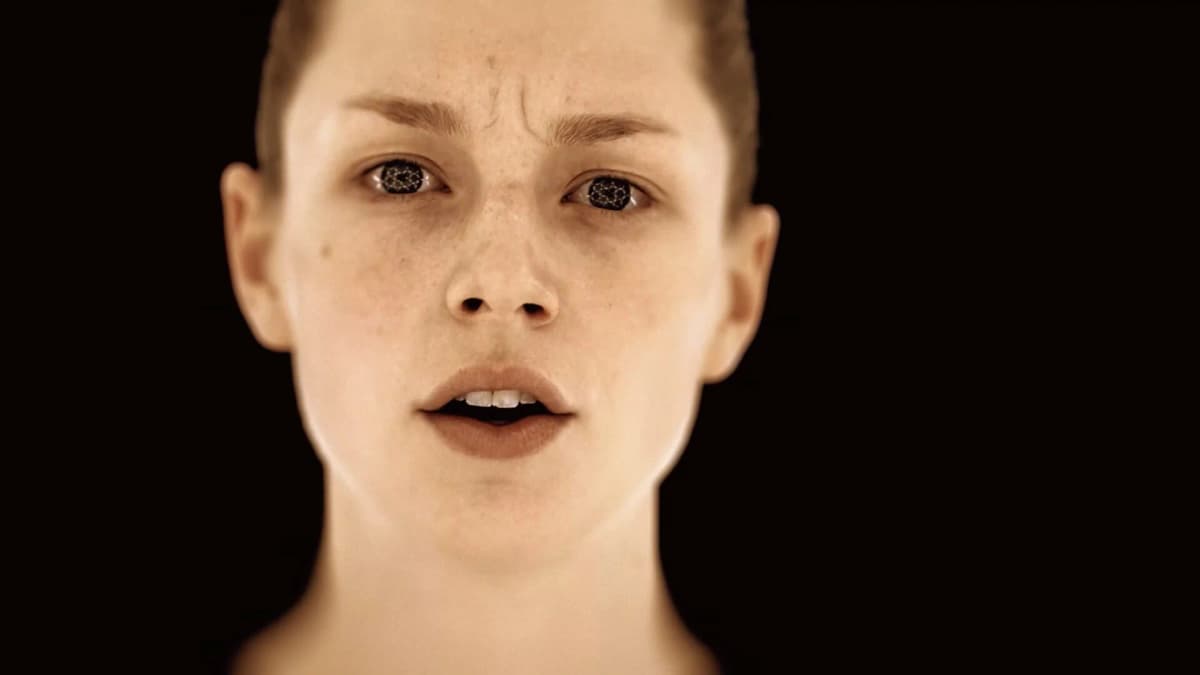
Here’s the reality check. Photoreal visuals don’t automatically make horror better. If anything, hyper-clarity can kill mystery. What matters is how sound, pacing, and interaction intersect. Resident Evil 7’s grainy claustrophobia worked because it limited what you could see and hear. Alan Wake 2 thrives on audiovisual rhythm more than raw asset fidelity. So when I hear “the most realistic game,” I translate it to: “We’re pushing capture and lighting hard.” Cool—now show me how that realism feeds mechanics, not just screenshots.
What Gamers Need to Know (and What We Don’t)
- Confirmed vibes: first-person, photoreal, heavy sound design, oppressive domestic setting.
- Confirmed talent: Kojima, Jordan Peele, Sophia Lillis, Udo Kier, Hunter Schafer.
- Confirmed tech: Unreal Engine; environment scans; Xbox support across the stack.
- Missing details: release window, platforms, and—crucially—core gameplay structure.
The subtitle raises the possibility of episodic drops under the OD umbrella, but that’s speculation until Kojima says more. Also unclear: how interactive the “knock” is. Is it just pacing and audio staging, or can you bait it, mimic it, or use it to solve diegetic puzzles? If this leans closer to “interactive film,” the Peele collaboration makes sense. If it leans toward systemic horror, then the knock could become a sandbox tool for terror—more Amnesia, less haunted ride. Both could work; the danger is landing in the middle with gorgeous corridors and limited agency.
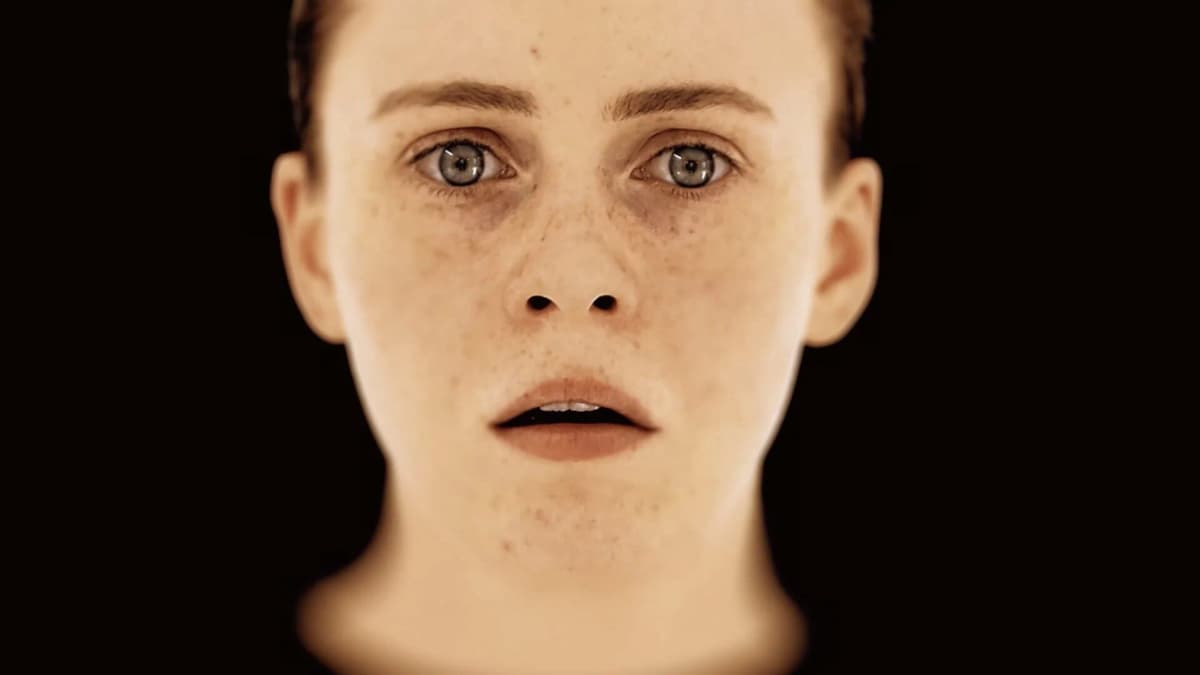
Either way, this feels like Kojima in his element—fear as a loop of observation, dread, and a single escalating idea. P.T. showed he could terrify with repetition and restraint. If OD: Knock pairs that discipline with today’s performance-capture fidelity, we might finally get the mainstream, big-budget evolution of P.T. that Konami’s cancellation erased.
TL;DR
OD: Knock brings Kojima back to psychological horror with Jordan Peele, Unreal-fueled photorealism, and a terrifying “knock” as the design spine. The trailer is potent; now we need clarity on interactivity, structure, and whether the tech serves the fear—or just the marketing screenshots.