
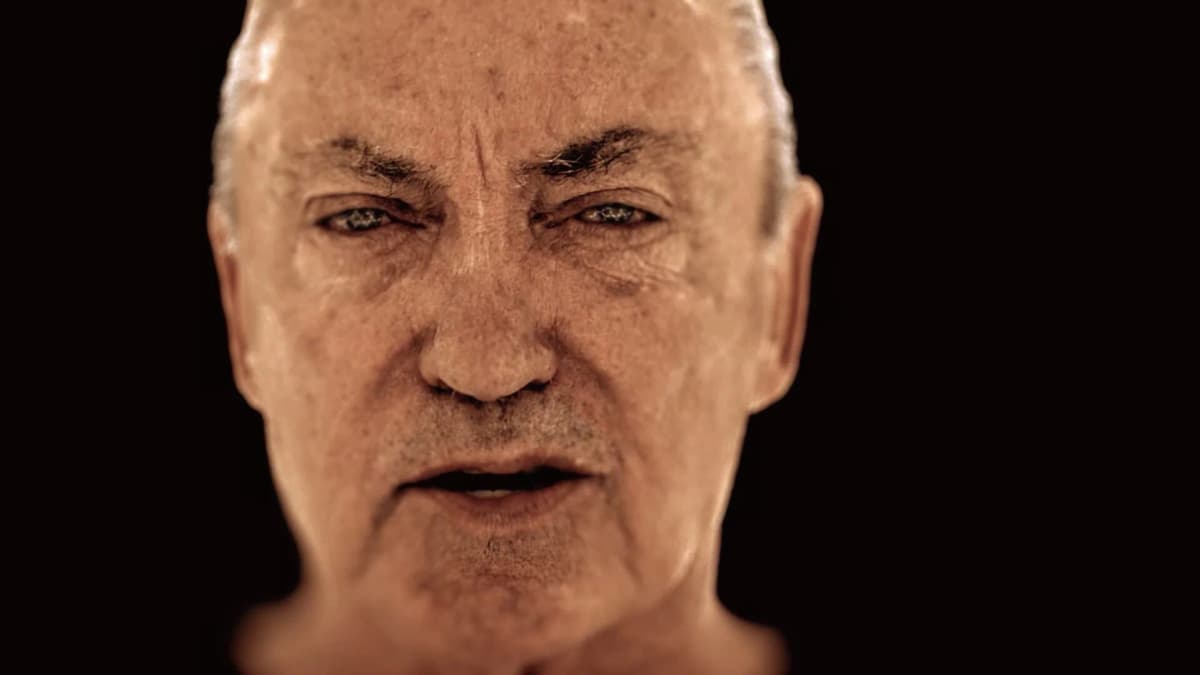
Kojima’s OD looks like a haunted movie-game — but what is he actually making?
Game intel
OD
OD explores the concept of testing your fear threshold, and what it means to OD on fear – while blurring the boundaries of gaming and film.
Why OD actually matters – and why I’m watching closely
Hideo Kojima finishing Death Stranding 2 put a spotlight back on whatever he does next. OD (aka Overdose) grabbed my attention because Kojima is promising something deliberately risky: a horror-driven title that’s flirting with cinema, real-world ghost scans, and MetaHuman-rendered actors. That combo could be brilliant, baffling, or both – and that uncertainty is exactly why this announcement matters to players, not just PR people.
- OD is a Kojima + Xbox Game Studios horror project using Unreal Engine 5 and MetaHuman.
- We’ve seen a September 2025 teaser livestream – first-person scares, a cryptic pangram, strong P.T. vibes.
- Casting includes Sophia Lillis, Hunter Schafer and the late Udo Kier; some shooting was delayed by strikes.
- Kojima claims he scanned a “ghost room” — a stunt that’s equal parts creative research and headline bait.
Breaking down the teaser: what the footage actually tells us
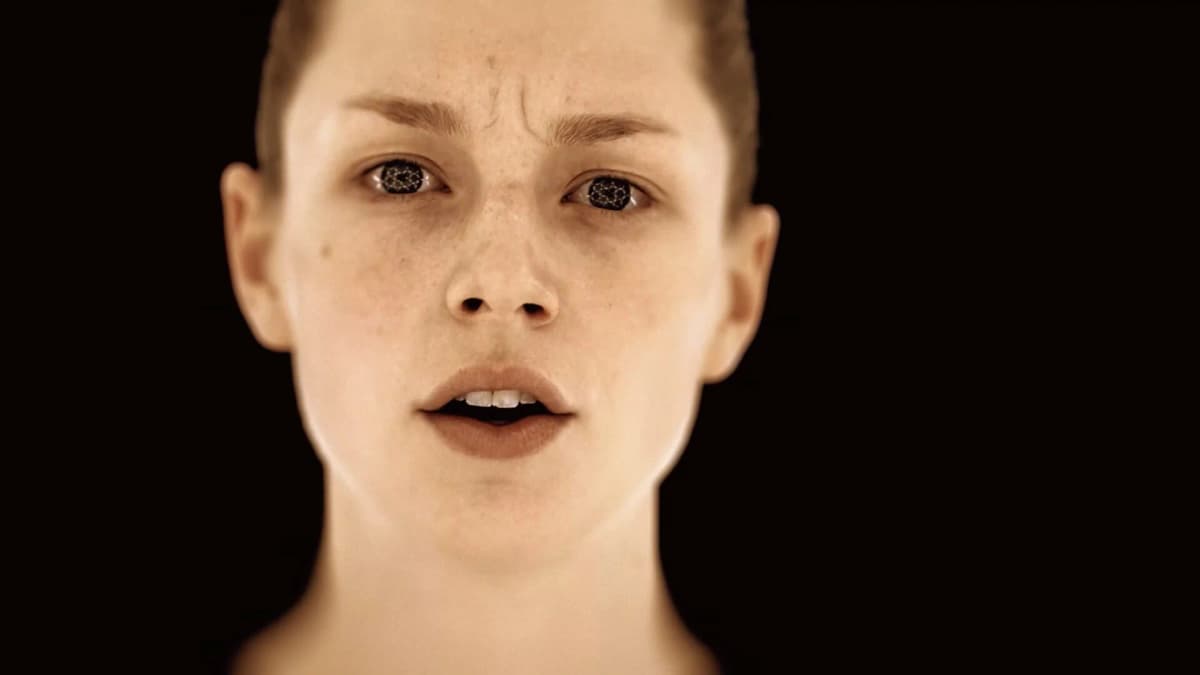
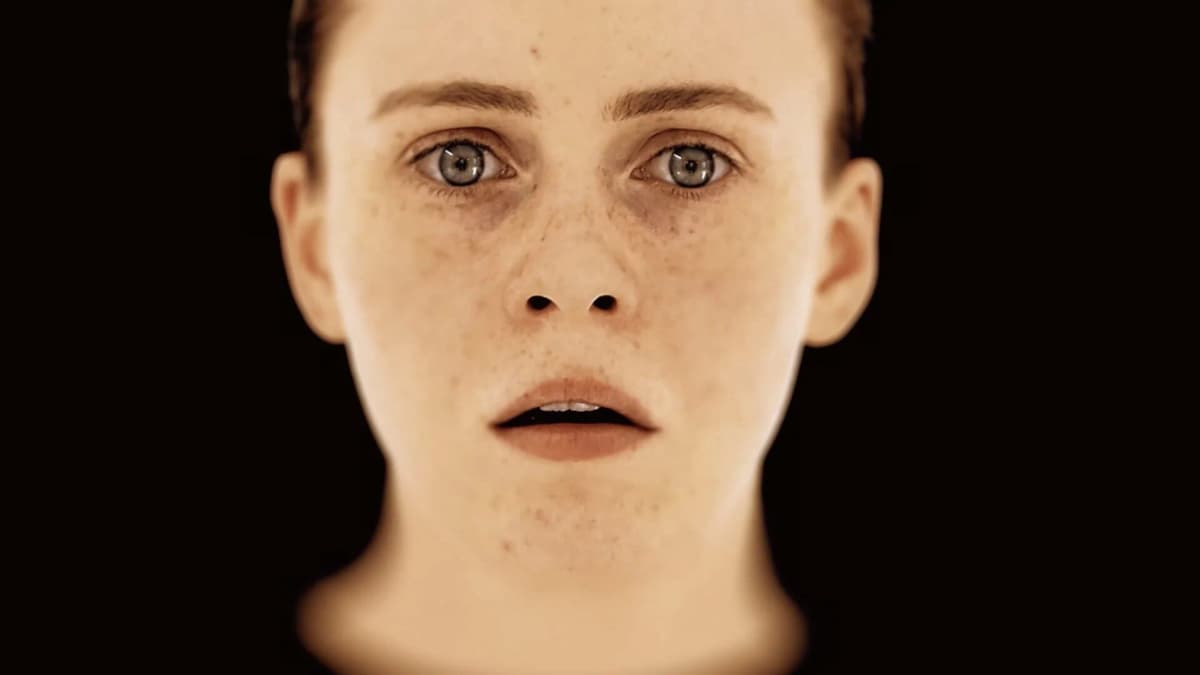
The September 2025 livestream gave us the meat of what’s public: a short, unsettling teaser that leans hard into atmosphere rather than exposition. We get a first-person sequence following Sophia Lillis’ character, candles, escalating visions, and an off-screen grab that leaves the protagonist terrified and oddly passive. Three floating heads recite a pangram — “The hungry purple dinosaur ate the kind zingy fox, the jabbering crab, and the mad whale and started vending and quacking” — which reads more like an intentionally weird piece of lore than a literal clue.
Technically, Kojima Productions has switched from Guerrilla’s Decima engine to Unreal Engine 5 and MetaHuman for highly realistic faces. That’s not just a graphics flex: it signals Kojima is leaning into cinematic performance capture and photoreal character work, which fits his stated aim of blurring film and game boundaries. If executed well, it could be one of the best-looking, most emotionally immediate horror experiences on Xbox and PC.
Ghost scans and shrine visits: marketing, method acting, or both?
Kojima saying he “scanned a ghost” and that eerie noises followed the team is headline gold — and I’m taking it with a grain of salt. It’s classic Kojima to mix showmanship with genuine curiosity. The shrine visit with Microsoft to “ensure a safe build” reads like both respectful ritual and a theatrical flourish for the cameras. The important takeaway for gamers is less whether a ghost was captured and more that Kojima is collecting real-world references. That practice can give games texture — but it’s also a clever way to stoke the mystery that fuels fan discussion.
Cast, delays, and the human side of production
OD’s cast elevates expectations: Sophia Lillis and Hunter Schafer are credited, and the late Udo Kier appeared in initial shoots. Kojima’s eulogy for Kier and the note that additional filming was planned for early 2026 make this feel personal — and production reality bites back. The strikes delayed shoots, and it’s unclear whether Kojima will keep intended new scenes or recast. That uncertainty matters: Kojima’s games lean on star performances, and any change to principal actors could alter the tone.
Want to Level Up Your Gaming?
Get access to exclusive strategies, hidden tips, and pro-level insights that we don't share publicly.
Ultimate Gaming Strategy Guide + Weekly Pro Tips
What gamers should actually expect
Don’t expect a release date or detailed gameplay yet. Kojima has called OD “a bit risky” and “hard to explain,” which is the same language we heard around Death Stranding — and we know where that went: a polarizing game that still turned into a cultural moment. OD looks like Kojima returning to creeping, subjective horror (think P.T.) but this time with modern tech, Oscar-level horror sensibilities (Jordan Peele’s involvement is a huge signal), and a Microsoft-sized budget behind it.
Practically, expect a PC/Xbox Series X|S launch first given the Xbox Game Studios partnership. Microsoft’s more open release strategy leaves room for later multiplatform windows, but don’t count on instant cross-console availability. Also expect Kojima to keep teasing and withholding — piecing together lore will be part of the ride for fans.
TL;DR — Should you care?
If you follow auteur-driven games and love horror that doubles as art-house cinema, OD is one to watch. Kojima’s blend of cinematic ambition, high-fidelity MetaHuman faces, and a willingness to court weirdness could produce something singular — but it could also be indulgent and opaque. For now, be excited, be skeptical, and prepare to follow a lot of crumbs: Kojima’s best work rewards patience and scrutiny.