
Kojima’s OD returns with PT energy — ‘Knock’ teaser breaks silence, raises big questions
Game intel
OD
OD explores the concept of testing your fear threshold, and what it means to OD on fear – while blurring the boundaries of gaming and film.
OD’s ‘Knock’ Teaser Finally Lands – And It’s Pure PT Vibes
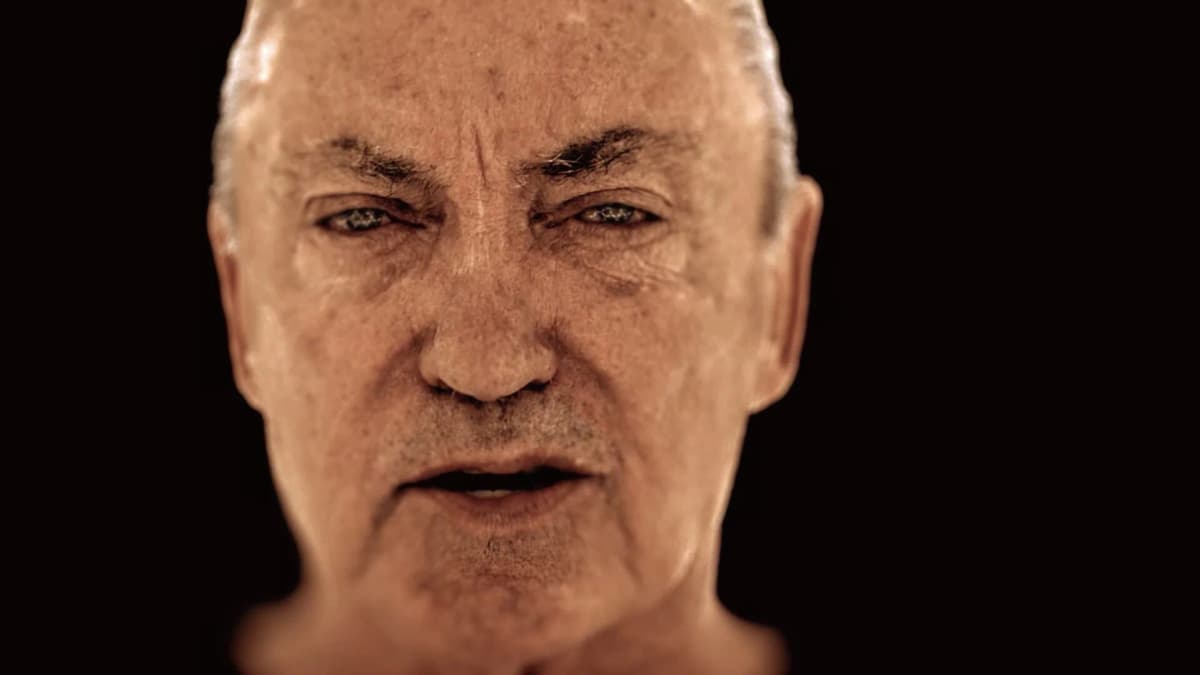
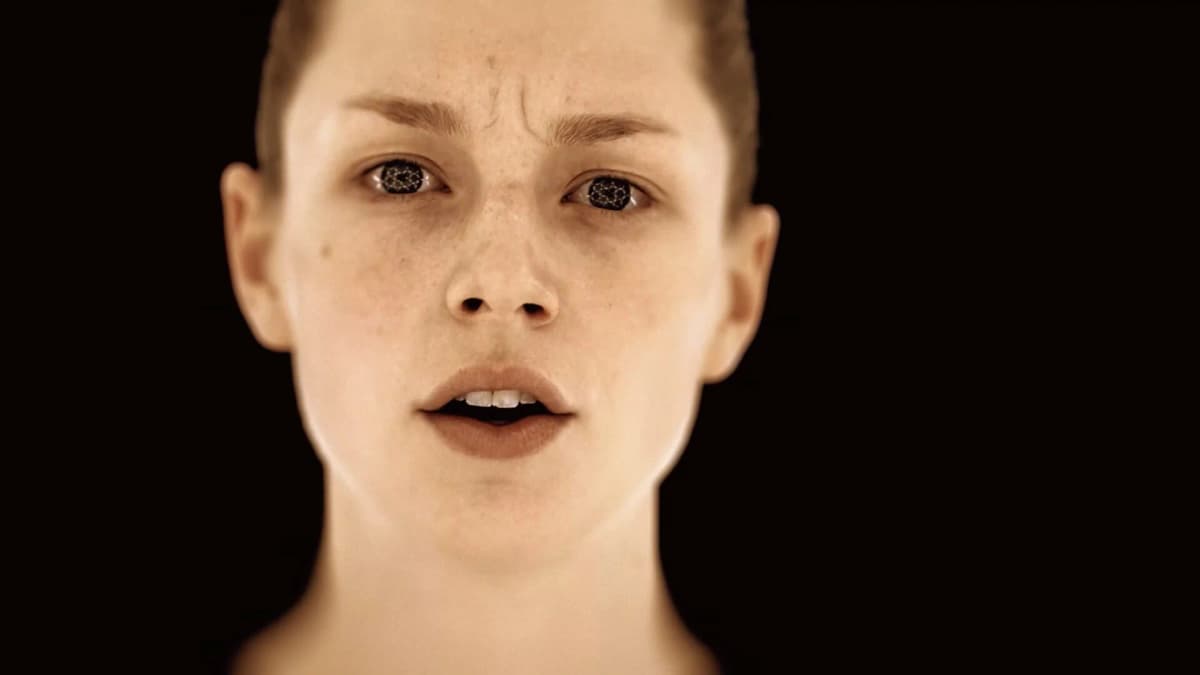
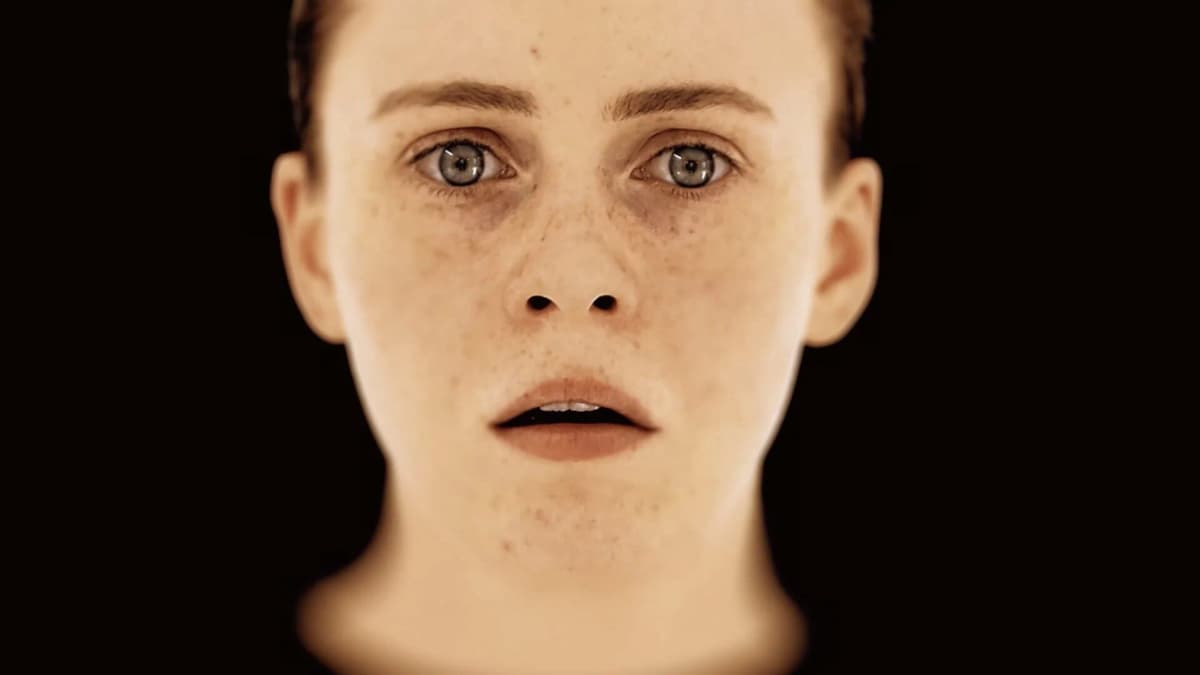
This caught my attention because it’s Kojima leaning back into horror with the kind of first-person unease that made PT a cult legend. During Kojima Productions’ 10th anniversary stream, Hideo Kojima dropped a lengthy teaser dubbed “Knock.” It’s Unreal Engine 5, Xbox Game Studios is publishing, and the footage is loaded with PT-style corridor tension, babies that will instantly ping Death Stranding memories, a photoreal 3D model of Sophia Lillis, and a finale featuring grotesquely huge creature hands. No platforms or date yet, and yes, that matters.
Key Takeaways
- Unreal Engine 5 is a big pivot for Kojima Productions after Decima; expect brutal fidelity and faster iteration, not necessarily massive worlds.
- The teaser screams PT in pacing and perspective, but we still don’t know how “gamey” OD is versus a cinematic horror experiment.
- Xbox Game Studios is publishing, but platforms aren’t confirmed; Xbox/PC seems likely, PlayStation remains a question mark.
- Star casting (Sophia Lillis, Hunter Schafer, Udo Kier) suggests performance-driven horror-great for immersion, risky if interaction is thin.
Breaking Down the Announcement
The new “Knock” teaser is first-person and patient. Doors, walls, and hallways control the rhythm, sound design does the heavy lifting, and the camera work dodges cheap jump scares in favor of dread. The babies are going to light up the theory-crafting crowd-Kojima loves imagery that’s both literal and symbolic, and this feels like a bridge between Death Stranding’s liminal themes and old-school haunted-space terror. The shot of Sophia Lillis as a highly detailed 3D model looks like bespoke scanning rather than stock MetaHuman, which tracks for a studio obsessed with faces telling stories.
The final beat—the massive hands—signals we’re not confined to “spooky apartment,” even if the teaser frames it that way. PT was about repetition and micro-changes, but those hands hint at scale and presence beyond domestic horror. It’s an escalation move, and it works.
Why UE5 and the Xbox Partnership Matter
Kojima Productions shifting from Guerrilla’s Decima to Unreal Engine 5 is the headline beneath the headline. On paper, UE5’s Lumen and Nanite are perfect for dark interiors with sharp lighting contrasts and absurdly detailed props. For horror, that means the environment reads instantly—no muddy corners, no lost detail—and the engine’s toolchain likely shortens iteration on “what if we move this door two inches and change the entire vibe?” That’s the PT design ethos.
Xbox Game Studios publishing adds the platform tension. At The Game Awards 2023, Kojima talked up a cloud-powered Xbox project. OD was widely assumed to be that game. The new teaser, though, feels like traditional client-side horror rather than cloud-dependent systems. Maybe the cloud angle survives as asynchronous features or large-scale simulation offscreen—but if Microsoft planned to scream “cloud,” this was the moment. The silence makes me think either the concept evolved, or they’re saving that card.
What This Actually Means for Players
- Platforms: None confirmed. With Xbox publishing, Xbox Series and PC are probable. Don’t assume PlayStation unless it’s stated—Kojima’s no stranger to platform deals.
- Gameplay: Expect slow-burn, first-person interaction where every door, glance, and footstep is design. If you want combat or elaborate systems, temper expectations.
- Performance capture: With Lillis, Schafer, and Kier involved, anticipate scenes built around facial subtlety and voice. That’s great for immersion but it puts pressure on pacing.
- Settings and scope: The teaser’s focus on a single space doesn’t tell the whole story. Those monster hands imply set-piece swings beyond looping corridors.
As someone who replayed PT until my PS4 drive begged for mercy, the biggest question isn’t “Can Kojima do scary?” It’s “How interactive will OD actually be?” PT weaponized tiny actions—looking into a crack, closing a door, turning around—so repetition became ritual. If OD keeps that spirit but builds a full game on top, we’re eating. If it leans too far into passive scenes, it risks being more demo than game.
Want to Level Up Your Gaming?
Get access to exclusive strategies, hidden tips, and pro-level insights that we don't share publicly.
Ultimate Gaming Strategy Guide + Weekly Pro Tips
The Real Questions Still Hanging
- Is “Knock” a subtitle or just the teaser’s name? Right now, it reads like the latter. Don’t carve “OD: Knock” into your SSD yet.
- Cloud features or not? Without a single mention here, the earlier cloud talk is either background tech or on the cutting-room floor.
- Game Pass? With Xbox publishing, day-one Game Pass would be a power move—but nothing’s confirmed.
- Release timing: Kojima loves long hype cycles. If there’s no date now, settle in for a slow build with sporadic, dense teases.
How to Prep If You’re In
Horror lives or dies on audio, so plan a headset that won’t leak and ruin the quiet moments. Kill your RGB, play in the dark, and don’t stream your first run; you’ll want to catch the micro-changes that Kojima likes to hide at the edge of the frame. And if you’re on PlayStation, wait for platform clarity before getting attached—you don’t want another PT delisting saga haunting your library choices.
TL;DR
OD’s “Knock” teaser is a well-aimed gut punch of PT-style dread, powered by UE5 and backed by Xbox Game Studios. It looks fantastic, the cast is legit, and the imagery is loaded—and yet, we still don’t know how much “game” is in this horror. Platforms, date, and the cloud angle remain question marks. I’m excited, cautiously.