
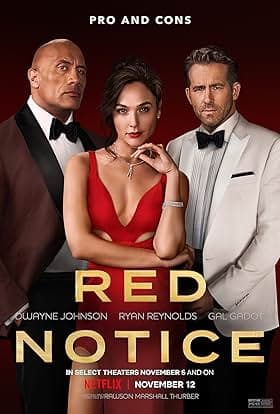
I’ll admit: when I first scrolled past Netflix’s K-Pop Demon Hunters, I assumed it was just another algorithm-friendly animated release—bright visuals, catchy soundtrack, but ultimately forgettable. Yet within weeks it tallied 158.8 million views, closing in on the 230 million mark set by Red Notice. Suddenly, Hollywood’s biggest names aren’t the only path to massive reach. This isn’t a fleeting trend but a shift in how global audiences discover and champion content. As someone who watches both series and speedruns, the parallels between gaming communities and streaming fandoms could not be more striking.
For years, Netflix leaned on blockbuster budgets and star wattage to drive eyeballs. Red Notice arrived with a reported $200 million price tag and A-listers like Dwayne Johnson, Ryan Reynolds, and Gal Gadot. It rocketed to about 230 million views in its opening weeks. Despite critics calling its plot “surface-level,” the star power fueled endless headlines. By mid-2025, Netflix reported over 95 billion hours viewed across its platform—a figure fueled in large part by tentpole releases.
But once the press blitz faded, Red Notice barely registered in online chatter. The pattern is familiar: big-budget tentpoles light up the sky, then quickly burn out. Netflix seems to be learning that while star-driven spectacles can spike metrics, they don’t always sustain community engagement.
No familiar franchise, no Hollywood marquee—so how did K-Pop Demon Hunters capture nearly 160 million views in record time? The answer lies in three interlocking ingredients.
In gaming, “speedrunning” means finishing a game as quickly as possible, often exploiting glitches for bragging rights. K-Pop Demon Hunters isn’t a speedrun, but its streaming arc mimicked that same all-in intensity: binge sessions, fan-crafted episode guides, and “Easter egg” hunts for hidden references. A dedicated subreddit sprang up overnight, drawing over 50,000 members who dissected every frame.
On Twitter, Instagram and Weibo, fans posted subtitled clips in dozens of languages. Each comment thread turned into a mini-fan convention. “It feels like Comic-Con in our living rooms,” one fan wrote. This grassroots buzz kept view counts climbing long after release week.
Content strategists say Netflix is quietly shifting from blockbuster chasing to fandom nurturing. Although budgets for K-Pop Demon Hunters remain undisclosed, observers estimate it cost significantly less than a major tentpole—yet delivered blockbuster-level engagement.

Producers are exploring spin-off digital comics, short films, and even a companion mobile game, all designed to keep fans invested between seasons. This echoes live-service gaming models, where developers drip new content to sustain interest and community momentum.
If you follow indie game hits like Hades or Among Us, this feels familiar: underdog projects exploding thanks to community zeal rather than big marketing budgets. For movie fans, it signals a richer slate of diverse storytelling—Latin American folklore, African fantasy, K-drama romance—finally breaking into the mainstream.
For gamers, the synergy is even more exciting. Imagine a console or mobile action RPG where you recruit your own demon-hunting K-pop ensemble, combining rhythm-battle mechanics with co-op boss raids. Given Netflix’s interactive experiments like Black Mirror: Bandersnatch, a choose-your-adventure spin-off is within reach.

Chasing virality has pitfalls. Platforms have greenlit visually striking series that collapsed under rushed scripts or shallow world-building. The true test for K-Pop Demon Hunters will be sustaining momentum with compelling story arcs and character growth—elements that drive long-term fandom rather than a one-week spike.
Netflix must avoid letting data alone dictate creative choices. The optimal approach uses algorithms to spot emerging passions but entrusts talented storytellers to craft fresh, surprising narratives.
The rise of K-Pop Demon Hunters proves that passionate communities can rewrite the rules. Netflix’s previous playbook—big budgets, big names—is giving way to a new script: global fanbases, meme culture, and cross-media ecosystems. Whether you binge-watch or speedrun, this moment marks a turning point: creativity and community, not just celebrity, may become the new currency of streaming success.
Get access to exclusive strategies, hidden tips, and pro-level insights that we don't share publicly.
Ultimate Gaming Strategy Guide + Weekly Pro Tips