
Game intel
League of Legends
“Legends Never Die” - League of Legends & Against The CurrentPremiered at the opening ceremony of the 2017 World Cup Finals, Against The Current performed this…
I never thought I’d see the day: League of Legends flirting with keyboard movement. As someone who’s poured thousands of hours into Riot’s MOBA, the prospect of ZQSD (that’s WASD for non-French keyboards) controls sounds almost sacrilegious—but also, weirdly exciting. If you’ve played MOBAs since the DotA Allstars era, you know mouse-click movement is the holy grail of champion control. So when Riot announced plans to test ZQSD movement on the PBE, it immediately got my attention. Is this a desperate reach for new players, or an overdue quality-of-life feature that opens up the Rift to more gamers?
For nearly a decade, LoL’s identity has been inseparable from its point-and-click movement. Right-clicking your champion to kite, juke, or chase down enemies became second nature to veterans. But for anyone familiar with FPS or MMO key bindings, that paradigm can feel alien—hotkeys for abilities paired with mouse movement is a taught skill with a high entry barrier.
ZQSD movement brings a first-person shooter–style sensibility to League. Instead of repeating frantic right-clicks to orb-walk with Vayne or sidestep skillshots on Yasuo, you hold directional keys. The potential upside? Smoother strafing, more intuitive positioning, and a smaller learning cliff for newcomers who already know WASD from Valorant or World of Warcraft.
Riot typically staggers features on the Public Beta Environment:
Movement is the headline, but Riot’s update bundles several other quality-of-life tweaks:
League’s cautious approach isn’t without precedent. Dota 2 players have long petitioned Valve for WASD movement, but Valve balked at risking the pro scene’s integrity. Meanwhile, Smite’s fixed camera angle and twin-stick style proved popular on console but never fully translated to mouse-and-keyboard players.
At last year’s All-Star event, Riot tested a hybrid control setup in exhibition matches, letting pros toggle between keys and clicks. Feedback was mixed: ADCs praised easier autocast orb-walking on champions like Ashe, but mid-laners complained about delayed dash micro on Katarina. This pointed Riot toward stricter performance metrics: any champion whose movement win rate shifts by more than half a percentage point under ZQSD will remain on click-only.
Movement precision varies wildly across the champion roster:
Some pro players have already tested ZQSD in scrims. A top-tier ADC said it “felt surprisingly natural” for weaving auto-attacks between ability casts, while a southeast Asian mid-laner warned of “muscle-memory conflicts” when switching back to click for critical matches.
On Reddit, discussions range from elation—“Finally, no more wrist cramps!”—to skepticism: “How will this affect quick-scope tempo on champions like Ashe?” A few prominent community figures have called for an “input lab” simulating pro matches before general roll-out.

Riot’s data scientists plan to track several key factors:
If any metric deviates beyond Riot’s conservative thresholds, the feature will be dialed back or champion-locked to clicks only until fixed.
From a purist’s vantage, there’s room for skepticism. Will key-movement ever match the pinpoint accuracy of a click-based micro? Riot insists on monitoring “high-speed movement precision” to ensure champions like Vayne don’t lose out. And then there’s the specter of scripting: macro players could in theory bind strafe cycles—though Riot’s anti-cheat already flags suspicious patterns.
Still, I’m all for shaking up calcified design, so long as it broadens the player base without breaking ranked integrity. The prospect of teaching my non-gamer friends with familiar keys, rather than endless lectures on “attack-move,” is a real draw. At the end of the day, if it doesn’t suit you, classic clicking remains just a toggle away.
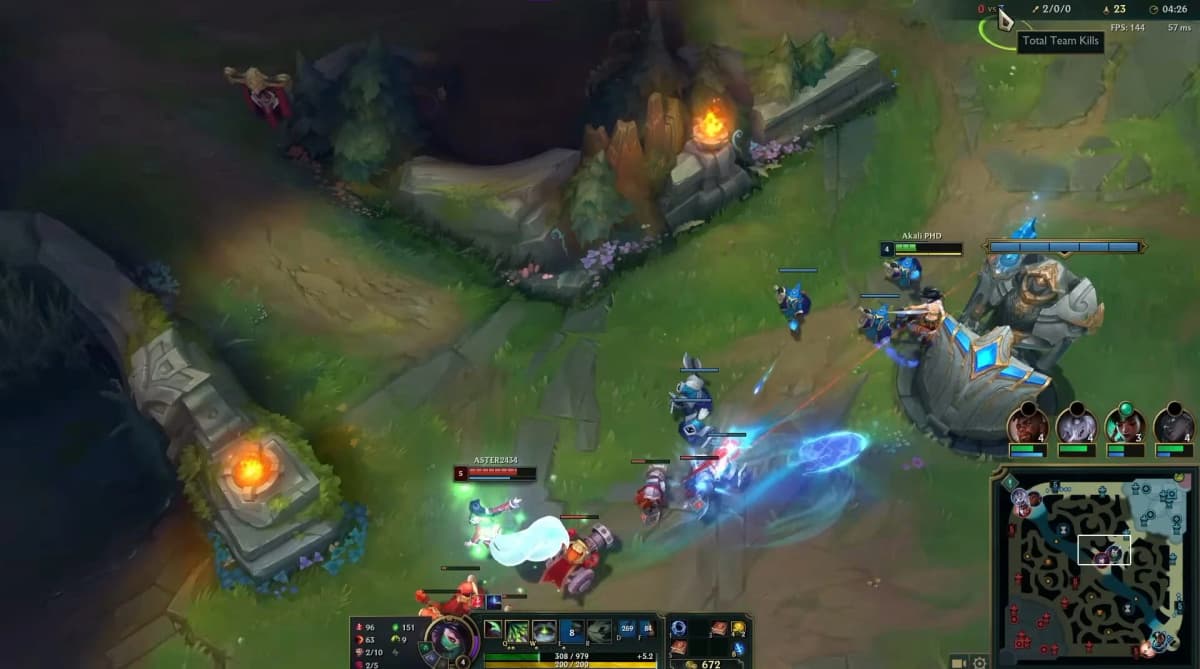
ZQSD controls may be the first domino. If successful, Riot might explore:
The MOBA landscape is evolving. Titles like Wild Rift already leverage touch and tilt controls on mobile. If League can pair its deep strategic gameplay with more approachable input methods, the door opens for a new wave of players.
League’s ZQSD movement update is a seismic shift for accessibility, not yet a threat to tradition. Riot’s phased rollout, strict parity metrics, and career-spanning PBE tests show they’re taking this seriously. Whether it ruffles veteran purists or becomes the next natural step for aspiring Summoners, it’s a feature worth trying. Fire up the PBE client, toggle those keys, and see if strafing your way to victory feels as good as a perfect click combo. If you don’t like it, the right-click cavalry is still at your side.
TL;DR: ZQSD controls bring FPS-style movement to League, backed by careful PBE testing and parity safeguards. More accessible for newcomers, optional for veterans—this could be the most significant QoL change Riot’s made in years.
Get access to exclusive strategies, hidden tips, and pro-level insights that we don't share publicly.
Ultimate Gaming Strategy Guide + Weekly Pro Tips