
LEGO 2K Drive is not dying all at once. It is being dismantled in phases, which is tidier for the publisher and more confusing for everyone else. The game is scheduled to be removed from digital sale on May 19, 2026, while its multiplayer servers remain online until May 31, 2027. That distinction matters, because “delisted” and “shut down” are not interchangeable terms, and publishers benefit every time players treat them as if they are.
The practical reading is straightforward. If you already own LEGO 2K Drive digitally, you should still be able to download it again after May 19, 2026. If you do not own it by then, the digital purchase window closes. After that, there is roughly a year left before the online systems go dark on May 31, 2027. At that point, anything requiring the game’s servers stops functioning. Offline and local content should remain, but the online layer does not get preserved by good intentions.
Table of Contents (5)
This is less a surprise than a familiar industry pattern
No official reason has been clearly laid out in the storefront notices beyond the dates themselves. That leaves the usual suspects: licensing terms, weak long-tail revenue, or the basic math of keeping servers alive for a game that never became the forever-platform 2K may have hoped for. None of those explanations are exotic. They are routine.
And that is the real story here. LEGO 2K Drive was sold with the usual modern packaging: online features, seasonal structure, premium editions, and enough monetization baggage at launch to trigger immediate skepticism. What it did not become was a durable live-service fixture. So now it enters the standard end-of-life script: remove new sales first, preserve existing ownership on paper, then sunset the network features later when the remaining audience is small enough that the backlash is manageable.
Publishers prefer this staggered model because it sounds measured. In fairness, it is better than an abrupt shutdown. Existing owners get time. Players can still use online features for about another year. There is no instant rug pull here. But the softer timeline should not obscure the underlying point: a game sold in 2023 is losing digital retail availability in 2026 and shedding server-dependent functionality in 2027. That is not a preservation success story. It is a cleanly scheduled retreat.
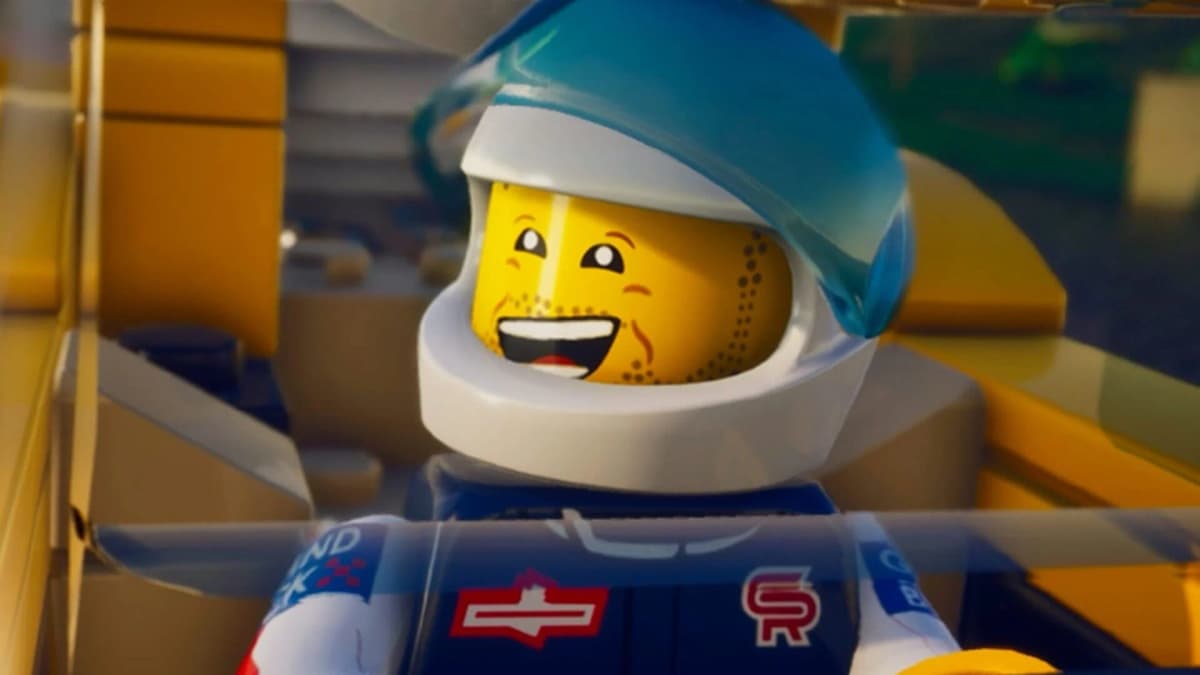
What buyers actually need to know, not what the notice politely implies
The most useful distinction is between ownership, access, and functionality. Those are three different things.
- If you buy the game before May 19, 2026, you should retain access through your account library afterward.
- If you own a physical copy, that route should remain separate from the digital delisting, assuming your platform still supports disc or cartridge use as normal.
- If you care about online multiplayer, that clock runs longer but not indefinitely. The cutoff date given is May 31, 2027.
- When the servers shut down, features that rely on online infrastructure will no longer function, regardless of whether you bought the game digitally or physically.
- Offline content, including story and local split-screen play, is expected to remain available based on the current wording around server-dependent features.
That last point is the one most players will care about. LEGO 2K Drive is not being rendered completely unplayable. It is being reduced. If your use case is solo play in Bricklandia or local couch sessions, the post-2027 version should still have value. If your use case is online competition or any feature tied directly to publisher-run servers, the useful lifespan is already dated.
The uncomfortable question a PR rep should have to answer is simple: exactly which features stop working on May 31, 2027, and which ones survive untouched? “All game functions requiring online servers” is technically clear but consumer-hostile in practice. Players should not have to reverse-engineer a product’s future from a store disclaimer.
The monetization history makes this ending look worse, not better
LEGO 2K Drive had a genuinely appealing core pitch when it launched. The vehicle-building, toy-box energy, and family-friendly arcade racing angle gave it a lane of its own. But it also arrived with monetization choices that immediately soured the conversation. That matters now because end-of-life announcements always reopen the old argument: what exactly were players being asked to invest in?
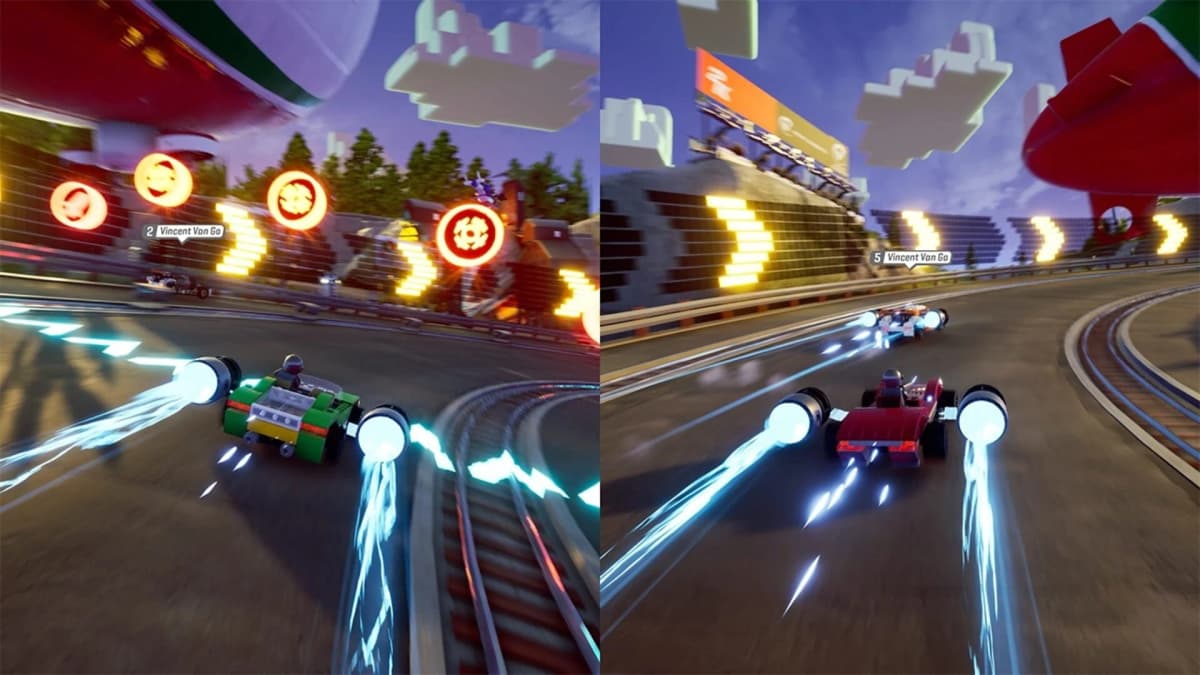
When a game leans on premium editions, live-service framing, and ongoing online hooks, players are not just buying software. They are buying into an ecosystem. Delisting three years after release and shutting down server-dependent features four years after release is not unprecedented, but it does make that ecosystem look flimsy in hindsight. The industry keeps teaching the same lesson here. Cosmetic stores, seasonal structures, and online dependency make a game feel bigger while it is being sold; they also give publishers more pieces they can later switch off.
That does not mean every online component was a scam. It means the value proposition was always more temporary than the packaging implied. There is a difference, and players are right to care about it.
Why this case matters beyond one LEGO racer
LEGO 2K Drive is not a giant tentpole collapsing. In some ways, that makes it more representative. This is what happens to the middle tier of the modern market: licensed game, respectable reception, some ambition, some monetization friction, and then a short commercial afterlife once the numbers stop justifying the overhead.
There is also a licensing shadow over the story, even if no publisher has publicly pinned the decision on that. LEGO branding, real-world car partnerships, platform agreements, soundtrack rights, and service costs all create expiry points. Sometimes the exact trigger is opaque because the business arrangement is opaque. From the player side, the result looks the same. A thing you could buy suddenly becomes a thing you can only still access if you were already in the club.
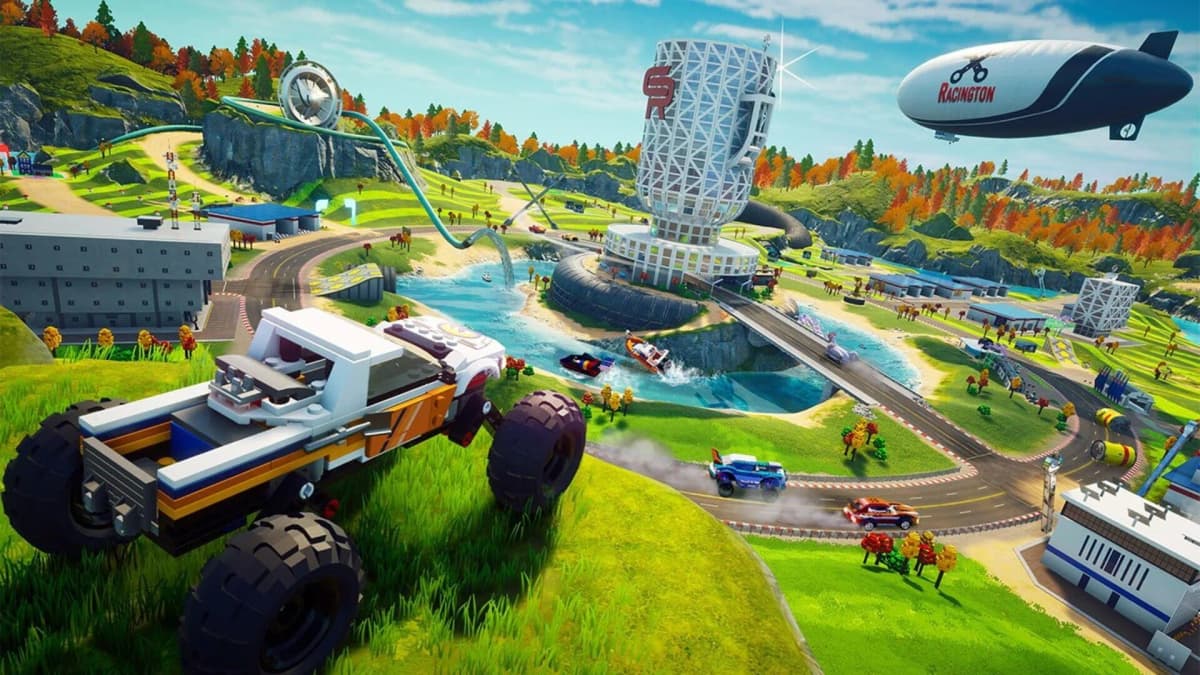
That is why delistings matter even when the servers stay up for another year. Delisting is the point where a game stops being part of the active market and starts becoming inventory for existing owners only. The online shutdown is merely the later stage where the remaining version gets narrower.
What to watch before May 31, 2027
There are three concrete things worth watching now. First, whether 2K or Visual Concepts publishes a precise breakdown of what survives offline after the server shutdown. That should exist, and if it does not, that omission is the story. Second, whether any final-sale pricing appears before May 19, 2026, because delisted games often get one last discount pass to clear the channel. Third, whether the Nintendo eShop mirrors the same warning language across regions if it has not already, since inconsistent storefront messaging is common and usually unhelpful.
The larger signal is simpler. If publishers want players to trust hybrid online games, they need to get much more explicit about end-of-life plans at the point of sale, not after the audience has already been trained to move on. LEGO 2K Drive now has a clear schedule. What it still does not have is a particularly flattering one.
FinalBoss // Gear
Level up your setup
01Top-rated gaming headsetson Amazon→02High-refresh gaming monitorson Amazon→03Gaming chairson Amazon→04Discounted game keyson Kinguin→Affiliate links · As an Amazon Associate, FinalBoss earns from qualifying purchases.
Want to Level Up Your Gaming?
Get access to exclusive strategies, hidden tips, and pro-level insights that we don't share publicly.
Ultimate Gaming Strategy Guide + Weekly Pro Tips