
Lego Fortnite’s NINJAGO update gives ninjas human skins — but at what cost?
Game intel
Lego Fortnite Odyssey
Explore vast, open worlds where the magic of LEGO building and Fortnite collide. Collect food and resources, craft items, build shelter and battle enemies…
Why this NINJAGO update actually matters (and why I raised an eyebrow)
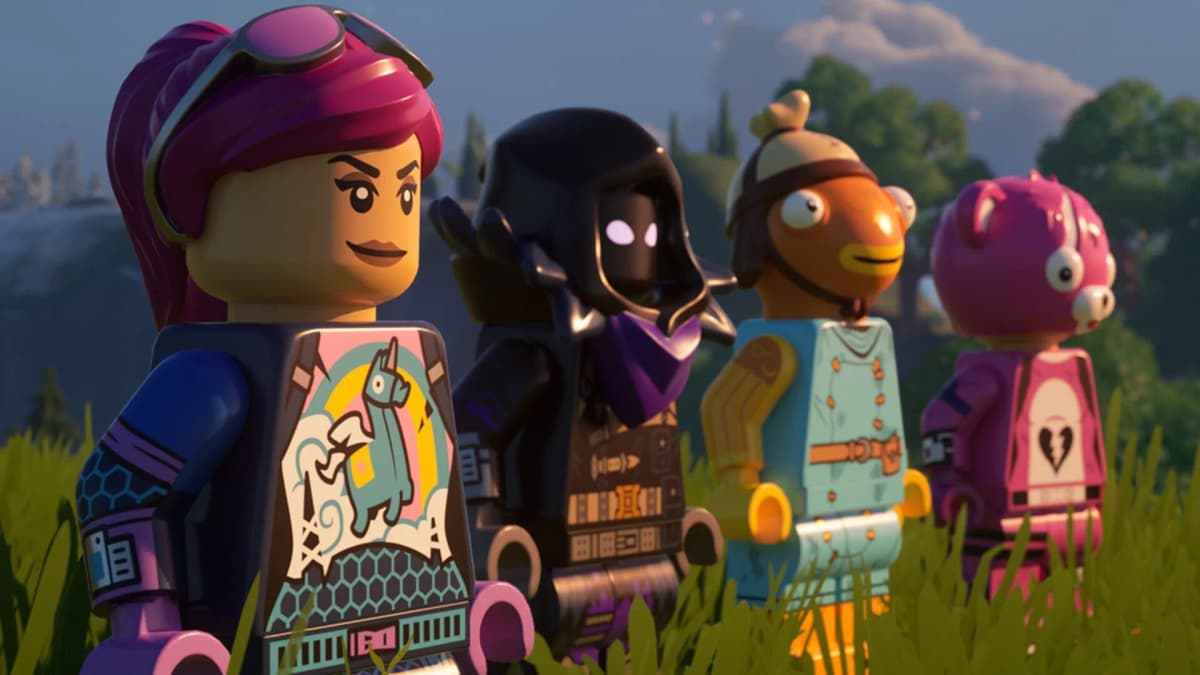
This caught my attention because Lego Fortnite just stepped into a weird, interesting space: it’s not just slapping Lego minifigs into Fortnite anymore – Epic and LEGO have made “humanized” versions of NINJAGO characters that fit the Battle Royale aesthetic. That change affects look, feel, and, crucially, who pays for what.
- Instant unlock vs. shop-only: Kai’s human and Lego variants unlock immediately if you buy the new Lego Pass (1,400 V‑Bucks) or get Fortnite Crew; Zane, Jay and Cole are item-shop purchases or a bundle.
- Gameplay changes: New island, new weapons (nunchucks, shurikens) and elemental mechanics tied to Elemental Sanctums reshape short Odyssey runs.
- Design angle: Humanized skins aim at Fortnite’s audience while keeping LEGO minifigs for Creative – a compromise that won’t please every fan.
Breaking down the news: what’s actually in the update
On December 11, LEGO Fortnite launched a full NINJAGO crossover featuring four iconic ninjas: Kai, Zane, Jay and Cole. Each has both a Lego minifigure version and a Fortnite-friendly humanized skin. The package also brings a Ninjago-themed island, new weapons (shurikens and nunchucks), Spinjitzu scrolls, elemental sanctums, and Odyssey content retooled around mastering ice, lightning, earth – and an exclusive fire element tied to Kai.
Why now: context and developer intent
Epic’s done crossover fatigue better than most — Fortnite is a platform for IP showcases as much as it is a shooter. LEGO’s recent push to make its franchises live beyond the toy aisle fits that trend. But this update is more than another skin drop: it introduces gameplay hooks (elemental abilities and sanctums) that could influence short-form Odyssey runs and competitive approaches within those rounds.
Humanized skins vs. Lego purity — the trade-off
Here’s where opinions split. LEGO purists will moan that human skins break the charm of minifig aesthetics; Fortnite players will appreciate designs that animate and emote like other top-tier skins. By shipping both versions, Epic and LEGO are trying to have their sushi and eat it too — human skins for the Battle Royale crowd, minifigs for Creative and collectors.
Monetization: the Kai problem
This is the part that matters for wallets: Kai’s human and Lego variants unlock instantly with the new Lego Pass (priced at 1,400 V‑Bucks) or via Fortnite Crew, while Zane, Jay and Cole are going to the item shop or a bundle. Making the flagship ninja exclusive to a premium pass is a smart conversion play — and a predictable one. It’ll drive a spike in pass sales, but also frustration among players who don’t want to pay extra for a key iconic skin.
It’s worth asking: why charge more here than a standard Battle Pass? Epic’s banking on both LEGO and NINJAGO fans feeling the FOMO — and that’s an aggressive move in a game already peppered with paywalls.
Want to Level Up Your Gaming?
Get access to exclusive strategies, hidden tips, and pro-level insights that we don't share publicly.
Ultimate Gaming Strategy Guide + Weekly Pro Tips
How this changes gameplay — quick tactics
Elemental sanctums and new tools are more than eye candy. Ice (Zane) can create barriers and slow pursuits; Lightning (Jay) boosts speed and fire rate; Earth (Cole) is a close-range tank option with area damage. Shurikens give a low-risk poke tool while nunchucks offer burst melee. Spinjitzu scrolls feel like a round-defining cooldown: use them in team fights or objective pushes.
Practical tip: focus on one element per Odyssey run to chain upgrades faster. Use shurikens to soften, then commit in with nunchucks when cooldowns align. If you’ve got Kai’s pass-locked fire abilities, expect teammates to gravitate toward him in co-op runs — because he’s simply a convenient damage-over-time specialist.
Community reaction and what to watch
Initial chatter praises the animations and the NINJAGO island as a fun, themed playground. Criticism centers on the Kai exclusivity and another premium pass push from Epic. Watch for balance patches — elemental abilities will need tuning — and for whether LEGO Fortnite leans into more humanized crossovers going forward.
TL;DR — The real takeaway for players
The NINJAGO update is a solid crossover: cool skins, new toys and a themed Odyssey that actually changes how short runs play out. But it’s also another example of Epic monetizing must-have cosmetics — Kai’s exclusivity via a 1,400 V‑Buck Lego Pass is the headline that will divide fans. If you love NINJAGO or want the gameplay perks, the pass pays off; if you don’t, expect the other ninjas to rotate through the shop if you’re patient.