
Fantasy Life i jumping to mobile this summer isn’t just another “now on your phone” announcement – it’s a rare case of a chunky, console-sized life-sim RPG coming over as a full, premium game with proper cross-save and cross-play instead of being gutted into a gacha machine.
Level-5 is effectively saying: you shouldn’t have to pick between your couch and your commute to keep up with a 100-hour slow-life RPG. And that’s a bigger swing than most publishers are willing to take on mobile.
Table of Contents (7)
Key takeaways
- Fantasy Life i is coming to iOS and Android this summer as a premium (buy-to-play) port, not a free-to-play spin-off.
- Full cross-save and cross-play are confirmed with PS5, PS4, Xbox Series X|S, Switch, Switch 2, and PC, so one character really does live everywhere.
- The mobile version includes all updates and DLC to date, plus touch controls and controller support with Life-specific layouts.
- With over 1.5 million copies sold already, this looks less like a test balloon and more like Level-5 locking in a long tail for one of its most flexible RPGs.
A rare mobile port that respects your time (and your save file)
Most outlets will tell you the basic facts: during its LEVEL5 VISION 2026 “Craftsmanship” stream on April 10, the studio confirmed Fantasy Life i: The Girl Who Steals Time is heading to iOS and Android in summer 2026, following its original May 21, 2025 launch on PS5, PS4, Xbox Series X|S, Switch, and PC, and a later Switch 2 version.
The more interesting bit is how it’s arriving. According to Level-5 and multiple reports, this is a premium release. You pay once, you get the whole game – all patches and DLC bundled in. No “mobile edition” with missing features, no separate content roadmap, no energy bars. In a genre where a lot of “cozy” games end up quietly taxidermied into monetization funnels, that alone is a statement.
It helps that Fantasy Life i has already proven itself. Level-5 says the game has passed 1.5 million units sold worldwide across the main platforms. This isn’t a Hail Mary to rescue a flop; it’s a way to extend a hit’s lifespan without rebuilding it around loot boxes.
There’s a precedent here. We’ve seen full-fat ports like Stardew Valley and Terraria thrive on mobile as one-time purchases. The difference is that those are mostly offline, single-platform islands. Level-5 is going a step further and wiring mobile into the same ecosystem as the console and PC versions at a systems level.
Cross-save and cross-play are the real headline
Yes, the unavoidable keyword: fantasy life i is coming to ios/android this summer with cross-save and cross-play. But that phrase isn’t just SEO filler, it’s the feature that changes how this game fits into your life.
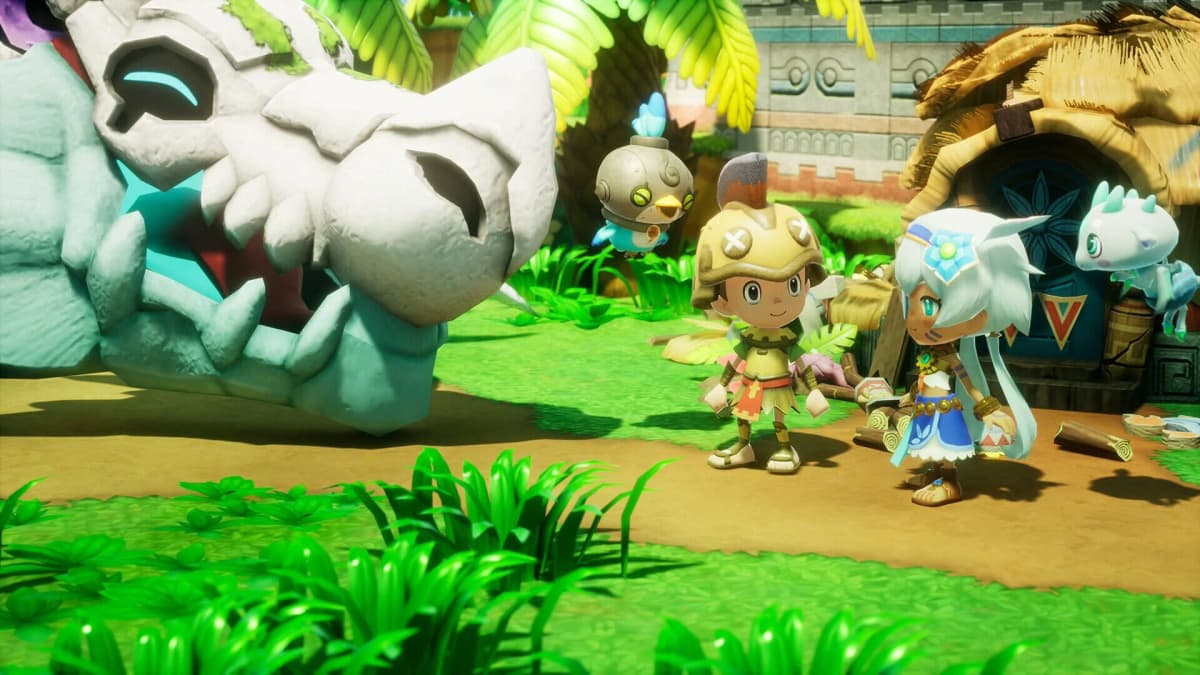
Level-5 has confirmed that mobile players will be able to both cross-save and cross-play with all existing platforms: PS5, PS4, Xbox Series X|S, Nintendo Switch, Switch 2, and PC via Steam. In practice, that means:
- You can grind crafting materials on your phone at lunch, then pick up the same character on your PS5 in the evening with no progress lost.
- Friends on console or PC can party up with someone on an iPad in the same four-player online co-op session.
- New players who start on mobile aren’t stuck in their own walled garden if they later buy the game on a console.
For a slow-life RPG where you’re juggling 14 different “Lives” (jobs) – from combat roles like Paladin or Hunter to chill ones like Angler, Cook, or Carpenter – that continuity matters. Fantasy Life i is built around long-term progression: leveling each Life, gathering materials, building up your island town on Mysteria, nudging its timeline forward with time-travel quests. Losing a save or needing to maintain separate ones on different devices basically kills the fantasy.
The uncomfortable question for Level-5 is the boring one that actually decides whether this works: how is cross-save handled technically? Are we talking about a clean account-based system where your data lives in the cloud and every platform pings the same profile? Or a mess of manual transfers and platform-specific logins that make swapping devices a chore?
So far, we know from the Japanese announcement that “data transfer” between PC/console and mobile is supported, and that the game is “compatible with cross-save.” The details – automatic sync vs. manual export, offline play limits, any platform restrictions – are exactly what will separate this from the half-baked cross-progression solutions we’ve seen elsewhere.
This game was built for bite-sized sessions – if the port doesn’t mess it up
If you’ve played the original 3DS Fantasy Life or this sequel on console, you already know why mobile makes sense. The core loop is incredibly modular. You can:
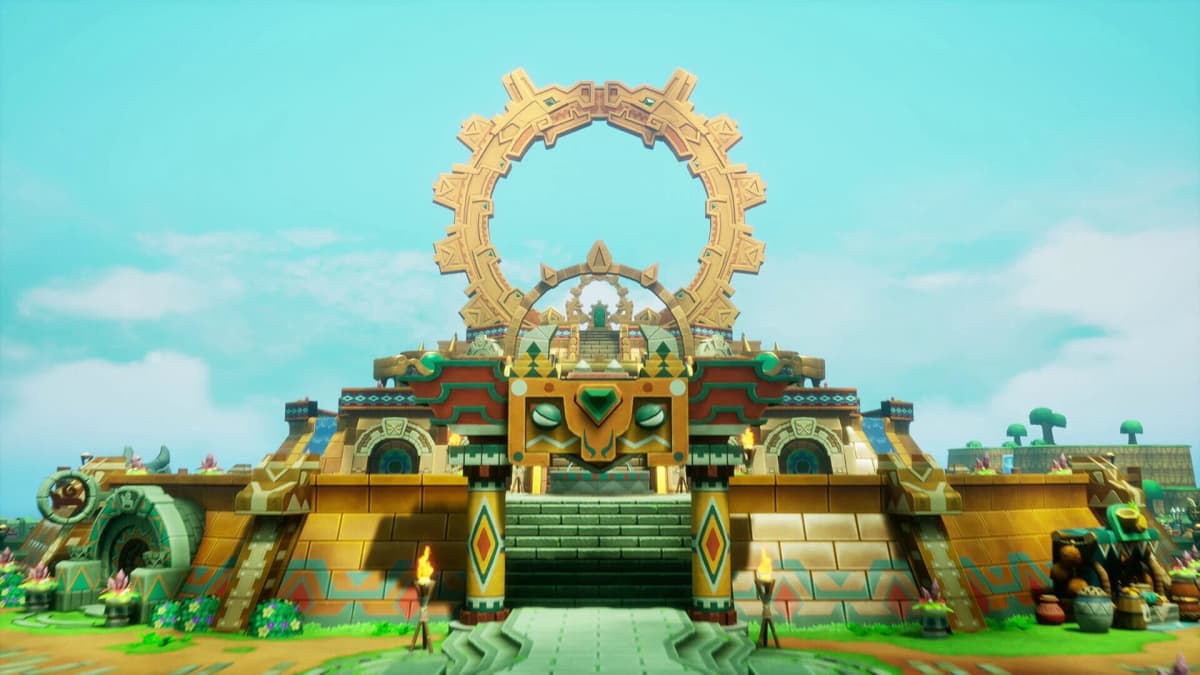
- Run out for a five-minute mining trip as a Miner Life.
- Spend ten minutes fishing to stock up ingredients as an Angler.
- Drop into a quick story quest in a combat-focused Life.
- Idly place buildings and decor on Mysteria Island in the city-building layer.
None of that needs a 55-inch TV. It’s very “one more little task” friendly, which is exactly why some people bounced off it on big screens – it can feel like a mobile game that accidentally launched as a console title first. In that sense, this port is the game coming home.
The danger is in the execution. During the LEVEL5 VISION 2026 stream, the mobile trailer showed on-screen virtual controls with Life-specific button layouts. That’s smart on paper – a Hunter doesn’t need the same shortcuts as a Cook – but virtual sticks are notoriously easy to get wrong, especially in games that weren’t born on touch screens.
The good news: Level-5 and outlets like Eurogamer have confirmed controller support. If you’ve got a Backbone-style controller on iPhone or a Bluetooth pad on Android, you should be able to map things closer to the console layout. For a game with real-time combat and menu-heavy crafting, that’s not a bonus feature, it’s almost mandatory.
The UI is the other big test. Fantasy Life i already has a lot going on: recipe lists, inventory, Life management, island building menus, multiplayer lobbies. On Switch and PC, there’s room to breathe; on a 6-inch phone, one lazy porting pass could bury half the systems in nested menus and microscopic icons.
Put bluntly: the design of those touch menus will decide whether this becomes the definitive way to play or just an emergency way to check in on your town when you’re away from your main platform.
Level-5’s bigger play: one RPG, every screen
Fantasy Life i reaching mobile is also part of a quieter shift in how Level-5 handles its catalogue. Historically, the studio has bounced between handheld-first hits (Professor Layton, the original Fantasy Life, Yo-kai Watch) and console pushes that didn’t always land outside Japan. Multi-platform strategy wasn’t exactly their strong suit.

With Fantasy Life i, they did the opposite: launch on all major consoles and PC first, establish a global audience, then add mobile as an equal citizen with cross-play and cross-save. It’s the kind of ecosystem thinking you’d expect from a live-service behemoth, applied to a buy-once RPG that mixes life-sim and city-building.
If this works – and “works” here means sells enough on mobile without pivoting to F2P or fragmenting updates – it sets a template. Suddenly, it’s a lot harder for other life sims and farming RPGs to justify separate, half-featured mobile versions with no cross-save. Players will have a concrete example of a studio doing the annoying, expensive engineering work to keep one world in sync across everything.
It also gives Level-5 a foundation. If they decide to support Fantasy Life i with more post-launch content, events, or just regular balance passes, they’re not choosing “console vs. mobile” – they’re building for a single, unified player base. That’s the kind of thing that keeps niche-but-beloved games alive for years instead of being one-and-done releases.
The risk, of course, is that the mobile audience doesn’t bite on a straight premium price tag, especially in regions where “RPG on phone” usually means free download, heavy monetization. Level-5 is betting that the cozy-game crowd, the existing 1.5 million players, and word of mouth are enough to overcome that expectation.
What to watch next
- Exact release date and price: we only have a “summer 2026” window. The big question is how close the mobile price will sit to console/PC, and whether there’s any launch discount to tempt existing owners.
- How cross-save actually works: look for details on account linking, cloud saves, and whether you can bounce between, say, Switch 2 and iOS without ever touching a PC.
- Performance on mid-range devices: Fantasy Life i isn’t ultra-demanding, but watch for any mention of recommended specs, frame rate caps, or graphical downgrades.
- Update parity: once mobile launches, check whether patches and any future DLC hit all platforms together or if mobile starts lagging behind.
- Control options at launch: confirmation of full controller remapping and UI scaling on phones vs. tablets will tell you whether this is viable on a small screen or really wants an iPad-level display.
TL;DR
Fantasy Life i: The Girl Who Steals Time is coming to iOS and Android this summer as a full, premium port with all existing updates, touch controls, and controller support. The important part isn’t just “now on mobile” – it’s the promised cross-save and cross-play with PS5, PS4, Xbox Series X|S, Switch, Switch 2, and PC, turning one of the most flexible life-sim RPGs into a truly cross-platform time sink. The one number to watch now is the price tag and how cleanly Level-5 delivers cross-save; if both land well, this could quietly become the blueprint for how cozy RPGs handle mobile from here on out.
FinalBoss // Gear
Level up your setup
01Mobile gaming controllerson Amazon→02Top-rated gaming headsetson Amazon→038BitDo controllerson Amazon→Affiliate links · As an Amazon Associate, FinalBoss earns from qualifying purchases.
Want to Level Up Your Gaming?
Get access to exclusive strategies, hidden tips, and pro-level insights that we don't share publicly.
Ultimate Gaming Strategy Guide + Weekly Pro Tips