
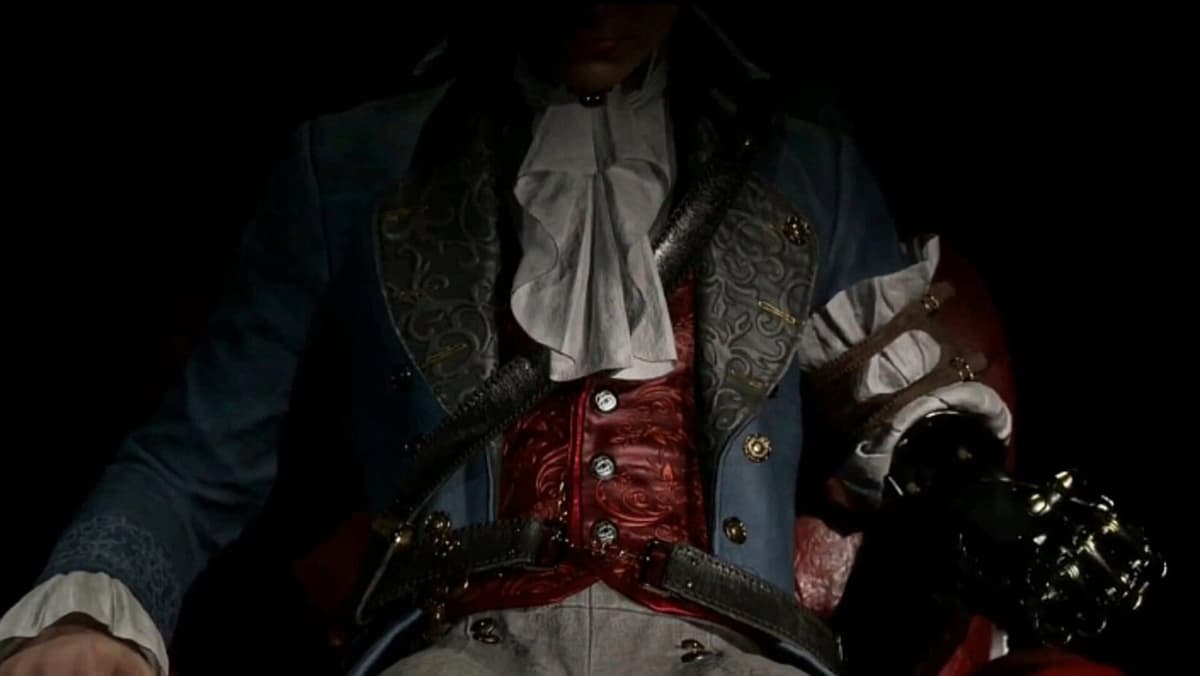
If you want the mandatory base-game boss order in Lies of P, use this route: Parade Master → Mad Donkey → Scrapped Watchman → King’s Flame, Fuoco → Fallen Archbishop Andreus → Eldest of the Black Rabbit Brotherhood → Romeo, King of Puppets → Champion Victor → Green Monster of the Swamp → Corrupted Parade Master → Black Rabbit Brotherhood → Door Guardian → Laxasia the Complete → Simon Manus → Nameless Puppet. That is the safest progression checklist because many “all bosses” guides mix optional stalker fights and miniboss-style encounters into the same order.
Table of Contents (20)
Main story boss order, clean and current
- Parade Master
- Mad Donkey
- Scrapped Watchman
- King’s Flame, Fuoco
- Fallen Archbishop Andreus
- Eldest of the Black Rabbit Brotherhood
- Romeo, King of Puppets
- Champion Victor
- Green Monster of the Swamp
- Corrupted Parade Master
- Black Rabbit Brotherhood
- Door Guardian
- Laxasia the Complete
- Simon Manus
- Nameless Puppet
Two details cause most of the confusion. First, several guides add optional fights like White Lady, Mad Clown Puppet, Owl Doctor, Robber Weasel, Walker of Illusions, Black Cat, and Red Fox. Those are real encounters, but they are not reliable story-route markers. Second, Puppet-Devouring Green Monster is usually not a separate boss in progression terms; it is the second phase of Green Monster of the Swamp. The same kind of naming issue happens with the Black Rabbit Brotherhood, because the first required fight is against the Eldest, while the later rematch is a distinct boss encounter.
Recommended setup before you work through the list
Lies of P rewards consistency more than flashy damage spikes, so the best all-route setup is a weapon you can guard with comfortably, enough stamina to avoid panic rolls, and the right element for the target type. Early and midgame progression gets smoother if you stop treating every boss like a pure dodge test. Guard regain, stagger pressure, and one clean punish are often safer than chasing two or three extra swings.
- Use elemental damage by enemy type: Electricity for puppets, fire for carcasses, and acid for human or stalker-style bosses.
- Carry throwables: Shot Puts are excellent for forcing stagger when the white bar appears, while Thermite and other damage items can close a phase safely.
- Prioritize survivability upgrades: Extra Pulse Cells, better guard regain, and stamina are usually more valuable for progression than squeezing out a little more attack.
- Use Specters when available: If your goal is clearing the route, summon-enabled bosses become much more manageable with a Star Fragment.
- Bring resistance items when the fight demands them: Shock, Decay, and Disruption become much more relevant in the second half of the game.
Boss-by-boss guide: phases, attack patterns, and the safest plan
1) Parade Master
This is the tutorial check for delayed swings. Parade Master’s danger comes from players rolling too early into the huge arm slams and body drops. Stay close to one side, block or late-dodge the overheads, and punish only after the recovery animation fully commits. If his movement starts looking sloppier later in the fight, expect longer delays rather than faster attacks.
2) Mad Donkey
Mad Donkey teaches the human-duel rhythm. He is far less threatening if you stop circling wildly and instead react to the red charge and long-reaching chains one move at a time. A fast weapon helps here, but the important part is patience. His recoveries are long enough for single hits, and backstabs become available if you force him to whiff the rush cleanly.
3) Scrapped Watchman
Watchman is where many players first need real discipline. The basic pattern is wide arm swings, grab pressure, and delayed slam timings. In the later portion of the fight, electricity turns the arena and his body into extra hazards. Stay near a leg instead of directly in front of him, because the frontal angles make the grab and lightning follow-ups much harder to read. Do not reach for electric here, though – despite being a puppet, Scrapped Watchman carries the game’s single heaviest Electric Blitz resistance (around 50% absorption), so shock is the worst element you can bring. He is actually weak to Acid and Strike, so an acid grindstone or a blunt weapon like the Krat Police Baton does far more work.
4) King’s Flame, Fuoco
Fuoco punishes straight-line movement. His charge and ranged fire attacks are easiest to manage if you move diagonally and avoid standing at long midrange, where multiple patterns overlap. When the arena starts filling with flame pressure, back off and reset instead of forcing damage. He has large punish windows after the heavier slams, but greedy positioning in front of the furnace body is what usually turns this fight into chaos.
5) Fallen Archbishop Andreus
Andreus is the first major phase-management fight. Phase 1 is about learning the beast side and not overreacting to the tongue and body swings. In Phase 2, many players get baited into fighting the new angelic side head-on. The safer approach is usually to rotate back toward the monster side you already understand. Fire helps because this is a carcass-type fight, and staying calm through the transition matters more than racing damage.
6) Eldest of the Black Rabbit Brotherhood
This is the first fight where target priority matters as much as raw execution. The Eldest is the real boss, but the supporting siblings create bad healing windows if you lose track of them. Keep the camera wide, avoid getting trapped against the walls, and punish the Eldest after the heavier enders instead of during his active strings. If you use a Specter here, the fight becomes far more manageable because aggro control is half the battle.
7) Romeo, King of Puppets
This is the most important midgame skill check. Phase 1, the King of Puppets, is about not standing in front of the giant body and respecting the long arm coverage. Phase 2, Romeo, is the real wall: fast strings, sharp tracking, and the dangerous fire-buffed combo. Dodge into close swings rather than retreating in a straight line, because backing away often gets clipped by the later hits. Electricity is strong in Phase 1, but your success here mostly comes down to learning Romeo’s tempo.
8) Champion Victor
Victor looks overwhelming, but his patterns are more honest than Romeo’s. He is a bruiser with shoulder checks, leaps, and grab pressure. The trap is dodging too early because his windups are exaggerated. Stay at a range that baits committed attacks, punish once or twice, then reset. If your weapon is heavy, this is a good fight to lean on guarding and guard regain rather than trying to out-roll every swing.
9) Green Monster of the Swamp
This is the boss most often mislabeled in order lists, because the second phase is sometimes named Puppet-Devouring Green Monster. In progression terms, it is one boss fight. Phase 1 uses carcass pressure, awkward movement, and Decay. Phase 2 shifts into a more aggressive pattern set that strongly resembles Scrapped Watchman-style rushes and body attacks. Bring Decay resistance, do not panic when the model changes, and treat Phase 2 as a remix of attacks you have already studied earlier in the game.
10) Corrupted Parade Master
Corrupted Parade Master is less about complexity and more about bad positioning. Decay, summoned adds, and body control create messy screens if you stand at medium range. Hug a flank, clear breathing room before healing, and do not waste resources chasing every small enemy unless they are actively boxing you in. This is a fight where disciplined spacing solves more problems than extra damage does.
11) Black Rabbit Brotherhood
The rematch is a different problem from the earlier Eldest fight. Here, crowd management matters first. Use the arena pillars to break line of sight on thrown attacks, focus the currently active sibling instead of swinging into everyone at once, and save enough healing and burst for the late shift in the encounter. The biggest mistake is tunneling one target while off-screen pressure builds. This fight gets easier the moment you slow it down and control angles.
12) Door Guardian
Door Guardian is the closest thing the base game has to a gimmick boss, but the answer is consistent: attack the weak leg, build stagger, then cash in the Fatal Attack. If you hit the torso and wonder why the health bar barely moves, that is the problem. Shock management matters here because it ruins stamina recovery and makes the fight feel worse than it is. Heavy commitment is unnecessary; this is a precision stagger fight.
13) Laxasia the Complete
Laxasia is one of the hardest fights in the game because both phases demand different discipline. Phase 1 is a grounded knight duel with shield pressure and heavy sword strings. Phase 2 becomes a lightning-speed aerial fight. The key detail is that her lightning projectiles can be turned back with well-timed Perfect Guards, which creates real damage instead of passive survival. Acid performs well here, and this is a fight where defensive mastery gives more value than reckless aggression.
14) Simon Manus
Simon Manus has huge telegraphs, but the arena control gets dangerous in Phase 2. In the first phase, stay near a flank and punish the larger hammer-style recoveries. In the second, watch both the boss and the battlefield, because delayed effects and ranged pressure can catch players who stare only at the main body. Keep enough stamina to reposition after every punish window. This is not a fight to empty the bar for one extra hit.
15) Nameless Puppet
Nameless Puppet is the final exam for core combat. There is no optional-boss confusion here and no gimmick answer. Phase 1 is a controlled duel that rewards clean guarding and measured punishes. Phase 2 becomes much faster, with chained aggression and much tighter recovery windows. A high-stability weapon or defensive Legion Arm can help stabilize attempts, but the fight still comes down to learning when the combo is actually over. If you swing early, this boss will punish it every time.
Optional bosses and DLC: what does not change the order
If you are building a route checklist, keep optional encounters in a separate bucket. Fights such as The Atoned, White Lady, Mad Clown Puppet, Owl Doctor, Robber Weasel, Walker of Illusions, Black Cat, and Red Fox can matter for rewards, side content, or challenge, but they are not dependable markers for core story progression. Current DLC-era coverage also does not change the base-game mandatory order listed above. That means the 15-boss sequence remains the cleanest reference for a story playthrough.
Practical wrap-up
For a clean Lies of P progression guide, use the 15 mandatory bosses in the order listed here and treat optional fights as side encounters. If one wall keeps stopping the run, change the setup before changing the route: match the right element, carry stagger tools, and build around a weapon you can guard with under pressure. In this game, the winning adjustment is usually not a secret shortcut. It is cleaner defense, smarter phase management, and using the correct answer for the enemy type in front of you.
FinalBoss // Gear
Level up your setup
01Top-rated gaming headsetson Amazon→02High-refresh gaming monitorson Amazon→03Gaming chairson Amazon→04Discounted game keyson Kinguin→
Affiliate links · As an Amazon Associate, FinalBoss earns from qualifying purchases.
Want to Level Up Your Gaming?
Get access to exclusive strategies, hidden tips, and pro-level insights that we don't share publicly.
Ultimate Guide Strategy Guide + Weekly Pro Tips