
Table of Contents (8)
Quick answer
Lies of P: Overture is a full late-game DLC expansion, not a short side mode. Current guide consensus places its unlock point after you defeat the Corrupted Parade Master in Chapter 9, which gives you Star’s Chrysalis. From there, travel to Path of the Pilgrim to begin the DLC. If your goal is more than just finishing the story, treat Overture like a separate completion route: it spans at least five chapters in public guide coverage, includes major bosses and trophies, and one widely cited collectible guide tracks 187 collectible locations across the expansion.
- Unlock Overture by progressing the base game to Chapter 9 and beating Corrupted Parade Master.
- Use
Stargazer → Travel → Path of the Pilgrimonce you have Star’s Chrysalis. - Do not assume you can clean up everything at the very end. Public guides consistently treat the DLC as missable-sensitive.
- If you are on a broader trophy or achievement run, keep managing humanity through lie choices, side quests, and record listening.
- Expect a proper chapter route with sidequest backtracking, hub revisits, and named boss milestones, not a boss-rush detour.
What Overture actually is
The most useful way to think about Overture is as an extension of the main game’s progression logic. It has its own chapter structure, its own trophy and collectible pressure, and enough side content that finishing it and fully clearing it are effectively two different jobs. That distinction matters because a lot of players go in expecting a compact post-launch extra and end up missing quest interactions, gestures, or collectible paths that require a more deliberate route.
Guide coverage points to at least five chapters, with a final boss at the end of Chapter 5. That makes Overture substantial by Lies of P standards. It also explains why different guides disagree on the “best” route: boss-focused walkthroughs emphasize safe progression and combat flow, while collectible and trophy guides emphasize revisits, NPC triggers, and chapter cleanup windows. Both are useful, but neither fully replaces the other if you want 100% completion.
How to unlock and enter Overture
The unlock path is straightforward once you know the gate. Multiple public guides place the start condition after defeating the Corrupted Parade Master in Chapter 9. That fight awards Star’s Chrysalis, which is the key progression item tied to entering the expansion. After that, head to Path of the Pilgrim and begin Overture from there.
In practical terms, the cleanest route is to use a Stargazer and travel directly: Stargazer → Travel → Path of the Pilgrim. Because Overture opens late, the game is effectively telling you it expects a developed build, upgraded weapons, and familiarity with the base game’s rhythm. Even if you technically unlock it as soon as Chapter 9 allows, it is worth taking a minute before entry to decide whether this is a story-clear run or a completion run.
- Finish any outstanding hotel conversations that matter to your current run.
- If you care about broader completion, keep your humanity route in mind before stepping into DLC content.
- Do not enter assuming a single end-of-DLC cleanup sweep will catch everything.
- If you use guides, combine a progression route with a collectible checklist rather than relying on one source category alone.
How to plan a clean Overture run
The biggest time-saver is deciding your run type before Chapter 1 of the DLC starts. A story-first approach is fine if all you want is the main boss path, but Overture’s structure clearly supports a second layer of completion planning. One widely cited route counts 187 collectible locations, and that number alone tells you the expansion is dense enough to punish sloppy routing.
If you want a cleaner run, use this framework:
- At each new area, clear side paths before committing to the obvious main progression lane.
- After major progression beats, revisit hubs and known NPC locations. Overture guide coverage repeatedly points to backtracking and interlocked quest states.
- After named boss kills, check for newly opened interactions instead of assuming the next arena is your only priority.
- Before the final boss push, review unresolved NPC items, gestures, and chapter-specific pickups.
This matters because public sources broadly agree on the DLC’s missable-sensitive design, but they do not fully agree on the single best route ordering for 100% completion. That is not a contradiction so much as a warning. Overture appears to be built so that combat progression, trophy progression, and collectible progression overlap without lining up perfectly. If your guide only tells you where to go next, it may not tell you what becomes available behind you.
What to watch for inside the DLC
Overture is not just “more enemies and one last boss.” The available guide coverage shows a mix of named boss encounters, sidequest branches, hub revisits, and special interactions that reward attention. A few examples make the point clearly.
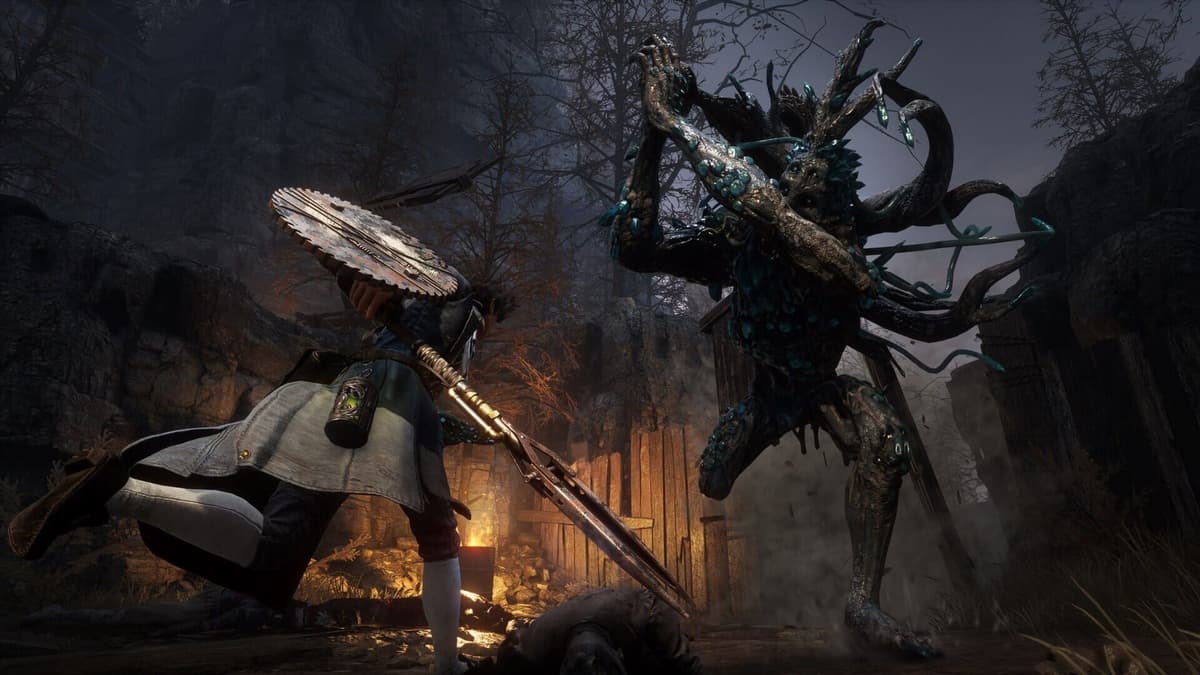
On the boss side, trophy routes specifically identify Markiona, the Puppeteer of Death as a boss trophy milestone, and Arlecchino, the Blood Artist as the DLC’s final boss encounter. That immediately tells you Overture has its own headline fights and its own end-state, rather than existing as a small optional annex.
On the exploration side, one notable reward path involves the Mechanical Organ. Inserting a Carnival Coin grants the Tap Dance Gesture. That is a good example of how Overture layers rewards: currency-like items, environmental interactions, and non-combat unlocks can all matter. If you rush only for boss progression, you can walk past content that has no reason to sit directly on the critical path.
Sidequests also appear to be more intertwined than a simple “talk once, get reward later” setup. Guide coverage calls out interlocks like returning Rosaura’s Red Shoes for rewards and revisiting hotel or stargazer hubs after certain beats. The practical takeaway is simple: when the DLC gives you a named item that sounds personal or quest-related, treat it as potentially important instead of vendor junk or delayed cleanup.
Humanity still matters if you are playing for full completion
If Overture is part of a trophy, achievement, or “complete everything” run, do not compartmentalize it away from the base game’s humanity systems. Trophy-route guidance continues to emphasize lie choices, side quests, record listening, and other humanity-building actions as part of broader completion planning. The DLC does not replace that logic; it adds more places where careless progression can push you into unnecessary cleanup later.
The important part is consistency. If your overall route depends on humanity outcomes, keep following the same principles while you work through Overture. Do not assume that because you entered DLC space, your larger run rules no longer matter. In practice, it is safer to treat every record, side interaction, and lie-related decision as still relevant until your entire campaign route is finished.
Common mistakes that waste time in Overture
- Starting immediately after Chapter 9 with no plan. You can do this, but it is the easiest way to create a messy cleanup run.
- Following a boss-only walkthrough for a 100% attempt. Boss flow guides are useful, but they usually miss sidequest timing and collectible density.
- Ignoring backtracking cues. Public coverage repeatedly suggests hub revisits and NPC rechecks after progression beats.
- Treating named quest items like disposable loot. Items such as Rosaura’s Red Shoes are the kind of thing you should flag immediately.
- Leaving humanity management until later. If your broader completion route depends on it, later may be too late.
- Assuming Chapter 5 is where cleanup starts. With a final boss tied to the end of that structure, earlier chapter discipline is usually the safer approach.
How Overture fits into Lies of P overall
As currently documented, Overture performs less like a detached add-on and more like a true late-game campaign extension. Its unlock point after Corrupted Parade Master, its multi-chapter layout, its named boss trophies, and its heavy collectible load all support the same conclusion: this is content meant to sit alongside endgame progression, not underneath it. It expands the game’s existing habits rather than replacing them.
The cleanest expectation is this: Overture is where Lies of P doubles down on structured progression, completion pressure, and NPC-sensitive routing. Enter it after Chapter 9, go in with a route in mind, and handle side content as you move instead of assuming the DLC will give you a painless sweep at the end.
FinalBoss // Gear
Level up your setup
01Top-rated gaming headsetson Amazon→02High-refresh gaming monitorson Amazon→03Gaming chairson Amazon→04Discounted game keyson Kinguin→
Affiliate links · As an Amazon Associate, FinalBoss earns from qualifying purchases.
Want to Level Up Your Gaming?
Get access to exclusive strategies, hidden tips, and pro-level insights that we don't share publicly.
Ultimate Guide Strategy Guide + Weekly Pro Tips