
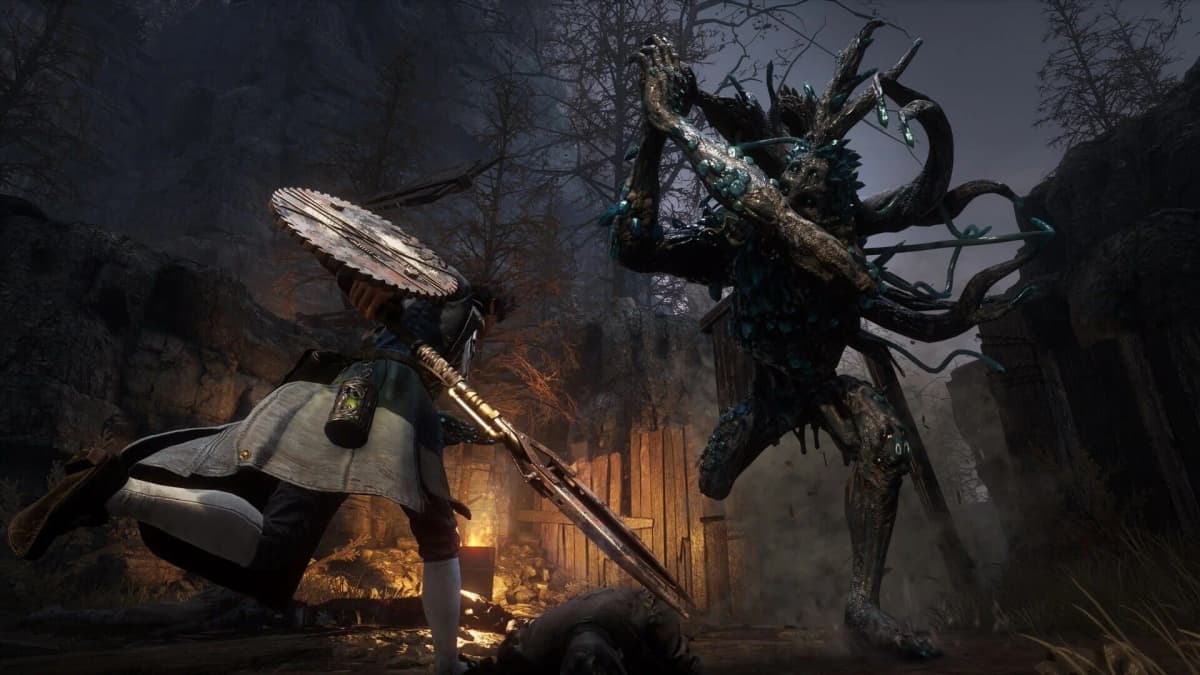
Lies of P is proof that a game does not need to reinvent the Soulslike to earn a seat at the table. It needs to hit hard, stay readable under pressure, and give players a reason to care beyond another pile of corpses and cryptic item text. By that standard, this thing lands with real force.
One quick bit of honesty before the verdict: this review is based on the critical record and source evidence around Lies of P, not a fake “I sank 40 hours into it on three platforms” diary. The good news is that the consensus is unusually clear. Most critics came away impressed by the same things: the combat is tight, the bosses are memorable, the weapon system adds real flexibility, and the grim Pinocchio framing gives the whole package a stronger identity than the usual Soulslike photocopy.
Key takeaways
- Lies of P is widely seen as one of the strongest non-FromSoftware Soulslikes.
- Its best feature is not originality for originality’s sake; it is refinement.
- Combat, boss design, and weapon customization do most of the heavy lifting.
- The dark Pinocchio premise and lie-based choices give it a memorable thematic spine.
- Its biggest weakness is obvious: it borrows so openly from Bloodborne, Sekiro, and Dark Souls that the comparison never leaves the room.