
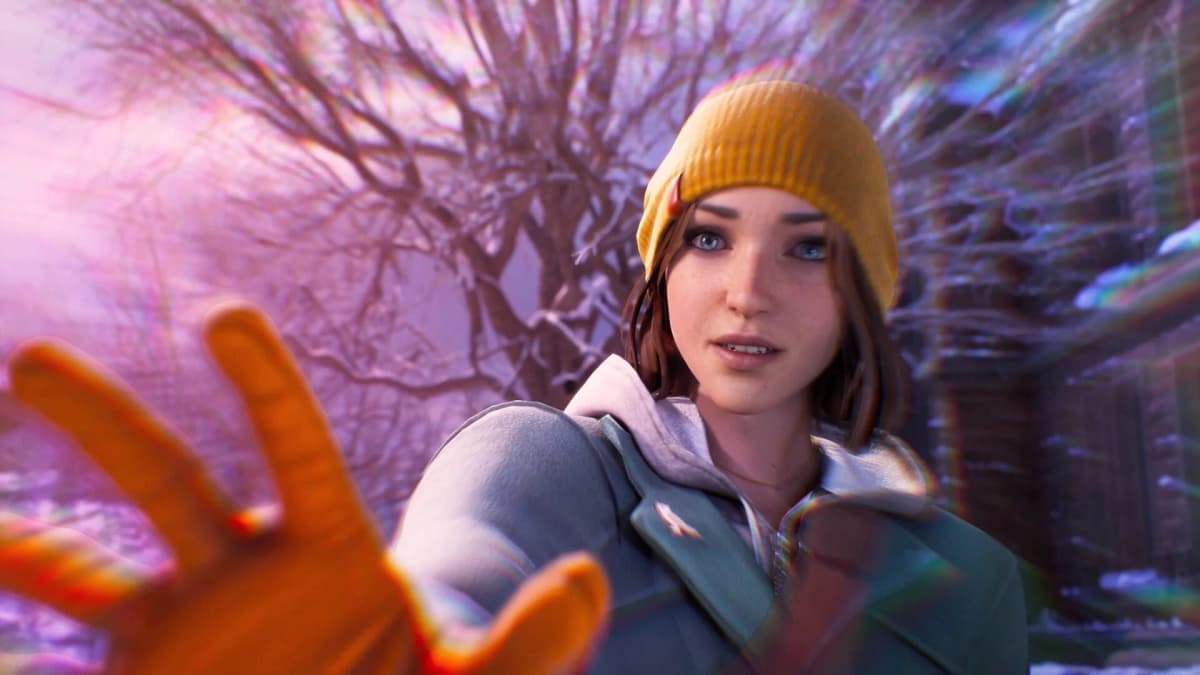
Life Is Strange TV Series on Prime Video: Hopes, Fears, and the Real Challenge
Game intel
Life Is Strange
The Life is Strange: Double Exposure Deluxe Edition contains: • Life is Strange: Double Exposure - the complete game • Spooky Outfit Pack • Decades Outfit Pac…
Why This Adaptation Actually Matters
This one hit me right in the rewind mechanic. Life Is Strange isn’t just another franchise to slap on a streamer banner-it’s a cult narrative game built on intimacy, player choice, and the uneasy magic of consequences. Amazon Prime Video has officially greenlit a series based on the first game, with The End of the F***ing World’s Charlie Covell as showrunner alongside Square Enix, Story Kitchen, and LuckyChap. No cast, no date yet-just the promise that Max Caulfield and Chloe Price’s Arcadia Bay story is coming to TV. That’s exciting, but also risky in a way a Fallout or a The Last of Us adaptation isn’t.
Key Takeaways
- Covell’s track record with sharp, messy teen drama could be a perfect tonal match-if the series embraces the game’s awkward sincerity, not just its aesthetics.
- Turning a choice-driven story into a linear show is the core challenge; the “illusion of choice” needs to become meaningful character perspective.
- Music and vibe matter: the indie-folk soundtrack and Pacific Northwest melancholy are part of Life Is Strange’s soul.
- Commitment to an ending (Bay vs. Bae) will be controversial—how Amazon handles that decision will define fan reception.
Breaking Down the Announcement
Here’s the concrete stuff: the show adapts the original 2015 game from Dontnod (now stylized as DON’T NOD), published by Square Enix. It centers on Max, a photography student who can rewind time, and Chloe, her hurricane of a best friend. Their story spirals into the disappearance of Rachel Amber and the secrets poisoning Arcadia Bay. Amazon MGM Studios is producing with Square Enix, Story Kitchen, and Margot Robbie’s LuckyChap. Charlie Covell is writing and running the show. That’s a strong creative spine, and honestly it’s the part that makes me optimistic.
Covell’s The End of the F***ing World threaded teen angst, black comedy, and genuine tenderness—tones Life Is Strange lives and dies on. Life Is Strange isn’t a “spectacle” video game; it’s quiet bedrooms, thrift-store wardrobes, school hallways, and the gut-punch of a dialogue choice you regret five minutes later. If any showrunner knows how to make small moments feel seismically important, it’s Covell.
The Adaptation Tightrope
The obvious question: can a linear TV series capture the agency that made the game special? Most choice-based games are, underneath the hood, about feeling ownership over a story more than completely changing it. On TV, you lose that input. The fix is perspective. If the series leans into Max’s point of view—her rewinds as intrusive thoughts, do-overs, and spiraling anxiety—we can still feel the weight of choice without holding the controller.
There are specific moments the show has to nail. Kate’s rooftop scene isn’t just a plot beat; it’s a stress test of empathy and whether you paid attention. The diner confrontation and the Dark Room are about dread, not shock value. And then there’s the ending—do you save Arcadia Bay or Chloe? The game forced you to pick a lane. The show will have to commit, and any attempt to sidestep that decision will ring hollow. Personally, I’d rather see a bold, singular interpretation than a half-measure that tries to please everyone.
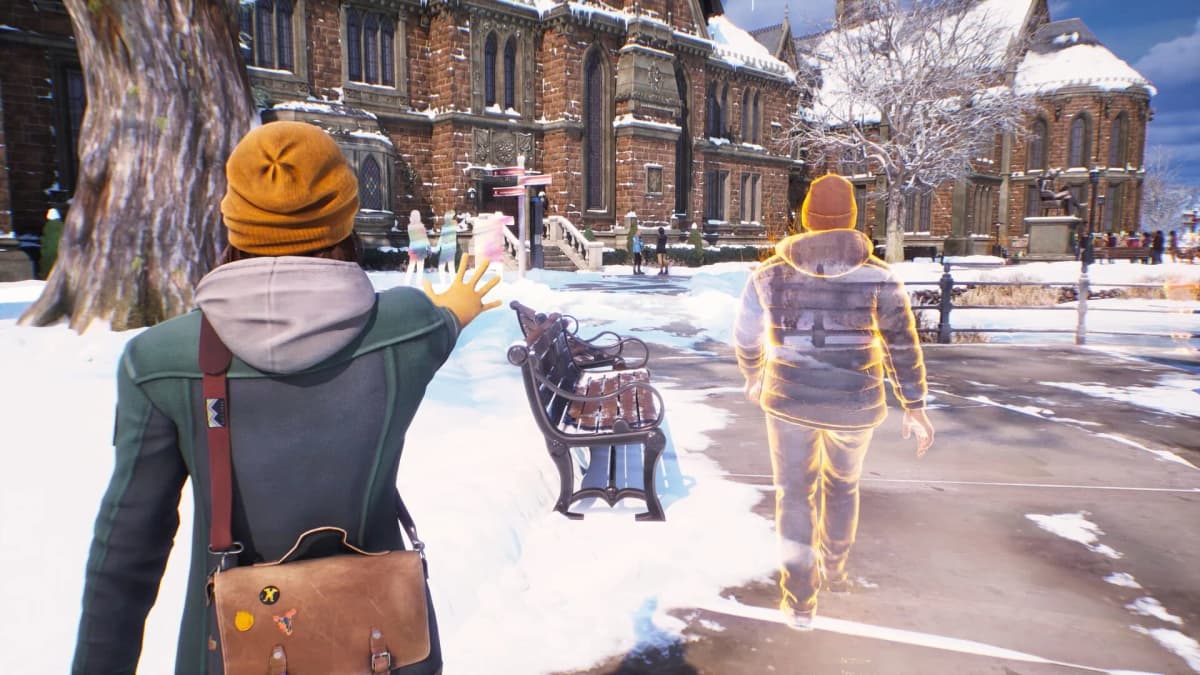
Then there’s the vibe. Life Is Strange lives in lens flares, polaroids, and overcast Pacific Northwest skies. The soundtrack is practically a character—indie-folk tracks that make wandering a school hallway feel like a memory. Licensing won’t be cheap, but cutting corners here would be like adapting Silent Hill without the sirens. Even if they shift the playlist, the mood needs to be tactile: analog cameras, messy bedrooms, rusted junkyards, and the kind of sunsets that make you think of people you’ve lost.
Amazon’s Track Record, and Why This Is Different
Prime Video has momentum with game adaptations—Fallout proved they can translate a beloved world without sanding off its weirdness. But Fallout succeeded by going bigger. Life Is Strange needs to go smaller. It’s closer to prestige teen drama than post-apocalyptic theme park, and that’s where LuckyChap and Covell feel like the right play: character-first, messy, heartfelt. Square Enix being in the mix should help keep the story’s bones intact, though I’d love to see consulting from the original creative leads and Deck Nine veterans who expanded Chloe and Rachel so thoughtfully in Before the Storm.
Want to Level Up Your Gaming?
Get access to exclusive strategies, hidden tips, and pro-level insights that we don't share publicly.
Ultimate Gaming Strategy Guide + Weekly Pro Tips
What Gamers Should Watch For
- Casting chemistry: Max and Chloe have to feel like old friends with fresh scars. If that dynamic’s off, nothing else matters.
- How rewinds are visualized: subtle audio-visual cues, not flashy sci-fi. The mechanic should express regret and curiosity, not superpowers.
- Handling tough themes: bullying, grief, suicide, abuse. Respect and sensitivity are non-negotiable—and frankly, part of why the game hit so hard.
- Arcadia Bay as a character: from the Two Whales Diner to Blackwell Academy, locations should evolve with the story, not just be backdrops.
- Ending clarity: pick a stance, earn it, and own the fallout. That’s the Life Is Strange promise.
Looking Ahead
This caught my attention because Life Is Strange is one of the few games where a pause between dialogue choices can feel like a lifetime. If Prime Video and Covell capture that sensation—and resist the urge to turn it into mystery-box puzzle-box TV—this could be the rare adaptation that translates not just events, but feelings. No release window or casting yet means it’s early days. But the creative alignment is promising, and for once, the pitch sounds like it understands why fans still talk about Max and Chloe a decade later.
TL;DR
Prime Video’s Life Is Strange series is real, with Charlie Covell steering a faithful take on Max and Chloe’s story. The make-or-breaks: casting, tone, the soundtrack, and a brave, earned ending. If those land, Arcadia Bay might break our hearts all over again—exactly as it should.