
Little Planet Goes Free on Meta Quest: Cozy VR Life-Sim Levels Up With Multiplayer And Pets
Game intel
Little Planet
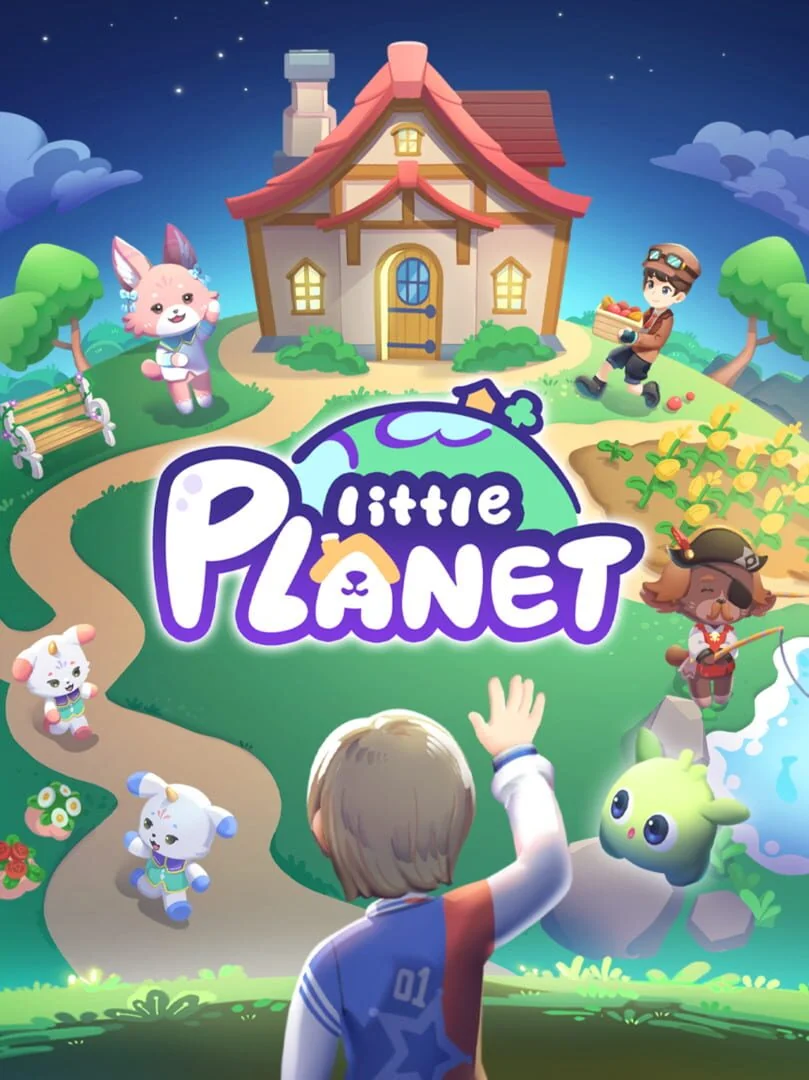
Little Planet (LP) is a 3D life-simulation, and role-playing game for VR headsets that will let you escape into a fairytale, charming, ever-growing world full…
Little Planet Leaves Early Access – Here’s What Actually Matters
Cozy life-sims in VR are rare, and the ones that stick are even rarer. That’s why Little Planet launching today on Meta Quest caught my attention. After nearly two years in early access, VRWOOD’s world-tilting, diorama-scale homesteader is now free-to-play, adding multiplayer hubs, competitive mini-games, and customizable pet companions. I’ve spent enough time in Garden of the Sea, Rec Room, and the inevitable hours fishing in any life-sim to know the difference between relaxing vibes and empty loops. Little Planet is aiming for the former-now it has to prove it can keep players coming back week after week.
Key Takeaways
- Little Planet is now free-to-play on Meta Quest with optional in-app purchases and a premium pass.
- New launch features: a social hub (Starnexus), three fresh mini-games, a competitive fishing tournament, co-op maze, and scavenger hunts.
- Adopt a “Joyling” pet with unique personalities and needs-classic cozy life-sim progression hook, now in VR.
- Early-access buyers get a Founders’ Pack plus one year of premium pass access—good make-good for early supporters.
Breaking Down the Launch
Little Planet’s pitch is simple and compelling: you start on a bite-sized world and gradually sculpt rivers, carve paths, place furniture, and build a home that’s yours. The launch update goes beyond solo zen: Starnexus, a town-square style social planet, gives you a reason to meet people, queue mini-games, and hop into events. It’s the right move—social VR lives or dies on frictionless gathering spots.
The new activities feel like a checklist of cozy staples with a VR twist. Scavenger hunts reward set-specific home decor, which is smart—earnables that change your space are the fuel that keep life-sims running. The maze is a low-stakes co-op experience meant for laughing with friends rather than grinding, and the fishing tournament gives the chill favorite a competitive weekly hook. Add Joylings—customizable animal companions with distinct likes and needs—and you’ve got a familiar loop: nurture, decorate, show off. The trick in VR is making all of this tactile and delightful rather than menu-driven busywork.
VRWOOD’s Frank Huang frames it as “the place you come home to,” which is on-brand for the genre. Two years of early access should mean the crafting systems and terrain sculpting feel less janky than the average VR builder. If they’ve nailed hand presence—snapping furniture, painting terrain, planting seeds without UI fights—Little Planet could be that rare VR sandbox that feels good every session, not just the first hour.
Free-to-Play Reality Check
Going free-to-play on Quest makes sense: the platform’s most vibrant social worlds—Rec Room, VRChat—thrive on accessibility. But life-sims walk a fine line between cozy progression and monetized FOMO. VRWOOD says the game is free with optional purchases and a premium pass. That model can work if monetization sticks to cosmetics, convenience, and seasonal decor, not core tools or energy timers. If players feel pushed into a pass just to craft comfortably, the vibe dies fast.
Founders get a pack with exclusive items, currency, and a year of premium—solid goodwill after paying during early access. The bigger question is how generous the base loop is for new players. Can you gather, craft, and decorate at a satisfying pace without swiping a card? If the answer is yes and the premium track simply accelerates or expands your fashion and furniture options, this could be a healthy model. If not, we’re in grind-city, population: you.
Comfort, Crafting, and Community
VR comfort settings will matter more here than in a lobby shooter. Little Planet’s small-world perspective should mitigate motion sickness, but locomotion options, snap turns, and seated play will make or break sessions for a big chunk of Quest’s audience. Building systems also need to be friendly when you’re not standing; dragging objects, rotating, and snapping should work naturally with one hand.
On the community side, Starnexus is promising, but social hubs need strong tools—muting, blocking, report features—so cozy doesn’t become chaotic. The best VR communities set norms early with moderated events and chill spaces for hangouts. Fishing tournaments, scavenger hunts, and mazes are perfect formats for that, especially if they run on a predictable cadence so friends can plan to meet up.
Want to Level Up Your Gaming?
Get access to exclusive strategies, hidden tips, and pro-level insights that we don't share publicly.
Ultimate Gaming Strategy Guide + Weekly Pro Tips
Why This Matters Now
VR has action games in spades; it’s still building out a pipeline of sticky, low-stress worlds you check into daily. Animal Crossing proved the power of ritual and gentle goals; in VR, that power multiplies when your hands actually place the chair you just crafted or skim the water with a fishing rod. Little Planet is betting that a free door, community-first events, and constant seasonal updates can turn those rituals into habits.
If it runs smoothly on older Quest headsets and makes decorating as satisfying as, say, slotting a piece in Walkabout’s course editor or planting in Garden of the Sea, it could carve out a niche that’s bigger than “cozy curiosity.” But the studio will need to keep a steady drip of reasons to return—new seeds, rotating decor themes, limited-time festivals—without turning the place into a battle pass chore chart.
Looking Ahead
VRWOOD promises ongoing seasonal updates and community events. To really land, I want to see a public roadmap, clarity on what’s earnable versus premium, and quality-of-life features that respect VR realities: easy sharing of builds with friends, photo tools to show off planets, and smart persistence so your world feels alive when you return. If Little Planet can deliver those—and keep monetization cozy, not coercive—it could become a regular stop on the Quest social circuit.
TL;DR
Little Planet is now free on Meta Quest with pets, a social hub, and new multiplayer mini-games. The vibe is right and the feature set is promising; now it’s all about fair monetization, comfy building, and steady events to give players a reason to call this tiny world home.